

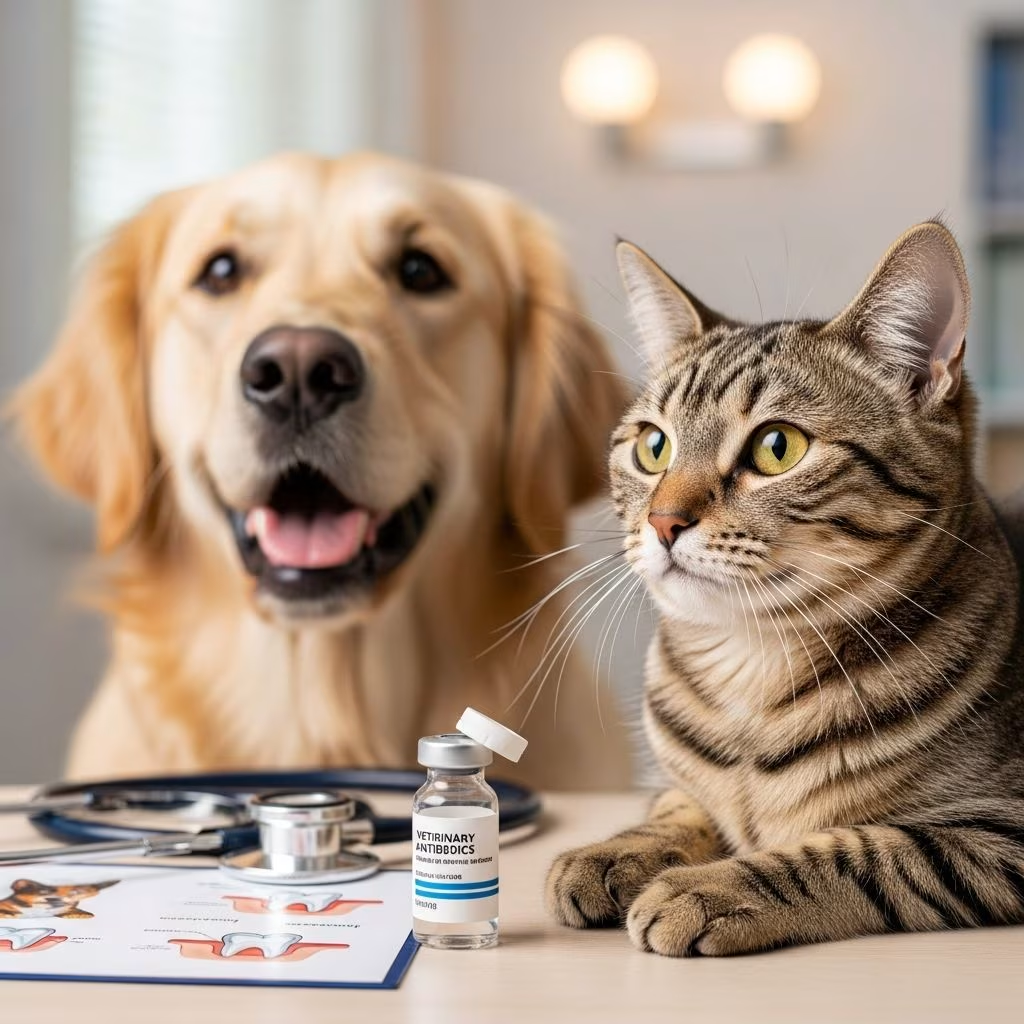
Antibiotics play a targeted role in managing bacterial infections associated with dental conditions in pets, particularly dogs and cats, but their use must balance efficacy against the growing threat of antimicrobial resistance. Veterinary guidelines emphasize judicious application, prioritizing mechanical treatments like cleaning and extractions over routine drug administration.
Understanding Oral Infections in Pets
Dental problems in pets often stem from plaque buildup leading to gingivitis and advanced periodontitis, where bacteria such as Porphyromonas species thrive in the oral environment. These infections can cause pain, tooth loss, and systemic health risks if untreated. Unlike humans, pets cannot communicate discomfort clearly, making early detection vital through regular veterinary exams.
Periodontal disease affects over 80% of dogs and cats by age three, progressing from inflammation to bone loss. Abscesses at tooth roots represent acute infections requiring intervention, but not always antibiotics if debridement suffices.
Common Antibiotics for Canine and Feline Dental Care
Surveys of veterinary practices reveal distinct patterns in antibiotic selection for dental procedures. In dogs, oral clindamycin tops the list at 41% usage, followed by amoxicillin-clavulanate (17%) and cefpodoxime (15%). Cats more frequently receive injectable cefovecin (50%), with clindamycin oral at 24%.
| Species | Top Antibiotic | Usage (%) | Administration |
|---|---|---|---|
| Dogs | Clindamycin | 41% | Oral |
| Dogs | Amoxicillin-clavulanate | 17% | Oral |
| Cats | Cefovecin | 50% | Subcutaneous |
| Cats | Clindamycin | 24% | Oral |
Other options include doxycycline gel applied locally (2-4% in both species) and intravenous cefazolin for surgical cases. Combinations like clindamycin with IV cefazolin appear in under 1% of procedures, often for complex infections.
When Prophylactic Antibiotics Are Appropriate
Routine antibiotic prophylaxis before dental cleanings or extractions is not recommended for healthy pets, as the risk of bacteremia leading to endocarditis is minimal. Guidelines from the American Veterinary Dental College and AAHA reserve systemic drugs for high-risk cases: immunocompromised animals, those with cardiac conditions like subaortic stenosis, severe organ disease, or rampant oral infections.
- High-risk indicators: Prosthetic joints, prior endocarditis, moderate-to-severe heart murmurs, or advanced periodontitis with systemic signs.
- Timing: IV administration 30-60 minutes pre-procedure, redosed intraoperatively every 2 hours for beta-lactams like cefazolin.
- Post-op: Rarely needed; focus on local therapy.
For prophylaxis, cefazolin excels due to broad coverage against gram-positive and some gram-negative bacteria common in oral flora.
Treating Active Dental Infections
When infections are confirmed—via probing depths over 5mm, pus, or radiographic bone loss—antibiotics complement, but do not replace, physical treatments like scaling, root planing, or extractions. The 2022 AAFP/AAHA guidelines state systemic antimicrobials are not indicated for routine prophylaxis, periodontitis without surgery, or most periapical abscesses post-debridement.
Clindamycin and amoxicillin target key periodontal pathogens effectively, mirroring human protocols. Adjunctive use with mechanical debridement shows mixed benefits in studies, underscoring the primacy of removing infected tissue.
Antimicrobial Stewardship in Pet Dentistry
Overuse contributes to resistance, with 26.5% of treated dogs receiving highest-priority critically important antimicrobials (HPCIA). Stewardship involves culture-guided therapy, shortest effective durations (typically 7-14 days post-procedure), and alternatives like local doxycycline gel.
Veterinarians should assess factors like patient weight and disease severity, as lighter dogs with worse periodontitis receive post-op drugs more often. Clinic variation is stark: cefovecin use spans 0-94% of cases.
Systemic antimicrobials are usually not indicated for routine dental prophylaxis or after tooth extractions.
Specific Considerations for Dogs
Dogs undergo more dental procedures (116,723 vs. 14,264 cats in one study), with 99% continuing therapy post-discharge via orals or cefovecin. Perioperative IV use is low (2.2%), favoring cefazolin or ampicillin. Periodontal disease drives prescriptions, not extractions alone.
Specific Considerations for Cats
Felines favor long-acting cefovecin for compliance, but oral clindamycin and amoxicillin-clavulanate follow. Resorptive lesions and stomatitis may warrant drugs if surgery insufficient, though debridement often resolves abscesses.
Potential Side Effects and Monitoring
Antibiotics carry risks: gastrointestinal upset (common with clindamycin), allergic reactions, or Clostridium difficile overgrowth. Monitor for vomiting, diarrhea, or lethargy. HPCIA like cefovecin heighten resistance concerns; use only when essential.
- Allergic signs: Facial swelling, hives, breathing issues—seek emergency care.
- GI effects: Probiotics may mitigate; discontinue if severe.
- Liver/kidney: Baseline tests for long courses in at-risk pets.
Preventive Strategies to Minimize Antibiotic Need
Daily brushing with enzymatic toothpaste, dental diets, and chews reduce plaque by 20-70%. Professional cleanings every 6-12 months intercept progression. Home care empowers owners to delay or avoid drugs.
| Prevention Method | Benefit | Frequency |
|---|---|---|
| Toothbrushing | Removes 70% plaque | Daily |
| Dental chews | Reduces tartar | Daily |
| Professional scaling | Full clean | 6-12 months |
Alternatives to Systemic Antibiotics
Local antimicrobials like doxycycline gel provide site-specific delivery with less systemic exposure. Laser therapy, antiseptics (chlorhexidine rinses), and surgical interventions often suffice without orals.
FAQs on Pet Dental Antibiotics
Do all pets need antibiotics after dental cleanings?
No, only high-risk cases warrant prophylaxis; routine use promotes resistance.
What is the best antibiotic for dog periodontal disease?
Clindamycin or amoxicillin-clavulanate, paired with treatment.
Can cats safely receive cefovecin for dental issues?
Yes, it’s common (50% usage), but monitor for side effects.
How long should antibiotics continue post-extraction?
Typically 5-10 days if infection present; shorter or none otherwise.
Is antibiotic resistance a concern in pet dentistry?
Yes, 26.5% of dogs get HPCIA; stewardship is critical.
Consulting Your Veterinarian
Individualize therapy based on health status, culture results, and guidelines. Radiographs guide decisions, ensuring antibiotics support—not supplant—definitive care.
References
- Antimicrobial use practices in canine and feline dental procedures — PMC/NCBI. 2023. https://pmc.ncbi.nlm.nih.gov/articles/PMC10707603/
- The Use of Antibiotics in Veterinary Dentistry — Today’s Veterinary Practice. 2023. https://todaysveterinarypractice.com/dentistry/antibiotics-in-veterinary-dentistry/
- Appropriate antibiotic use in veterinary dentistry — Mainely Vet Dentistry. 2023. https://mainelyvetdentistry.com/appropriate-antibiotic-use-in-veterinary-dentistry/
- AAFP/AAHA antimicrobial stewardship guidelines — AVMA. 2023. https://www.avma.org/resources-tools/avma-policies/aafpaaha-antimicrobial-stewardship-guidelines
- 2019 AAHA Dental Care Guidelines for Dogs and Cats — AAHA. 2019. http://www.aaha.org/wp-content/uploads/globalassets/02-guidelines/dental/aaha_dental_guidelines.pdf



