
Pet Dangers: Slug Bait Toxicity Risks
Discover why common garden slug baits pose deadly threats to dogs and cats, and learn vital prevention strategies to keep your pets safe.
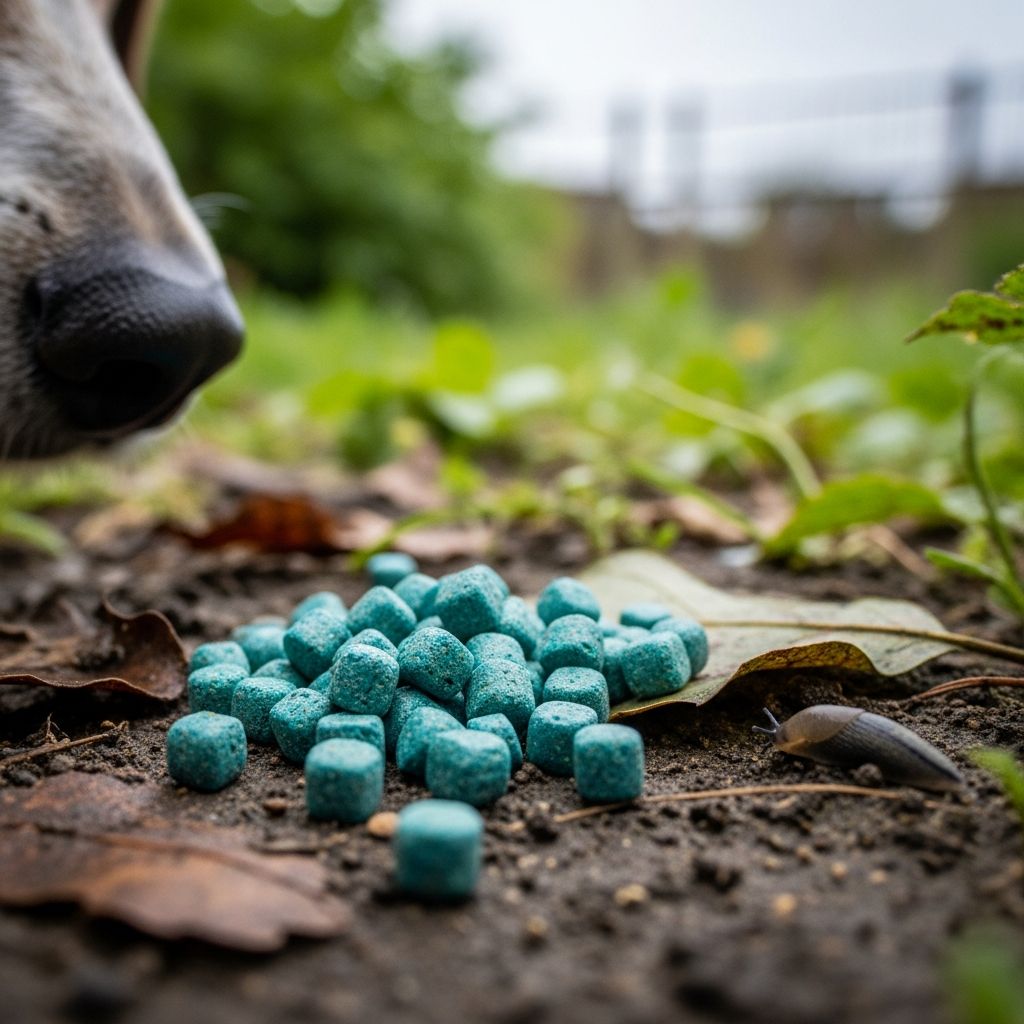
Common garden products designed to control slugs and snails can turn into silent killers for household pets. These baits, often scattered casually in yards, contain potent chemicals that trigger rapid and severe neurological reactions in dogs and cats. Understanding the mechanics of this toxicity is crucial for pet owners who maintain gardens, as even minimal exposure can escalate to life-threatening emergencies.
The Hidden Threat in Your Garden
Slug and snail baits are widely used in moist environments to protect plants from these pests. Formulated as pellets, granules, or liquids, they frequently include attractants like molasses or bran, which inadvertently appeal to curious pets. The primary culprit, metaldehyde, acts as a neurotoxin that disrupts normal brain and nerve function, leading to overstimulation across the body. This compound persists in the environment for up to two weeks, increasing the window for accidental ingestion.
Dogs are particularly vulnerable due to their scavenging habits, but cats, birds, and wildlife face similar risks. Even trace amounts—such as a few pellets—can prove fatal, especially in smaller animals. Unlike targeted pests, pets lack the physiology to process this toxin safely, resulting in acute poisoning that demands immediate intervention.
Active Ingredients: Metaldehyde vs. Safer Options
Most commercial baits rely on metaldehyde, a cyclic polymer derived from acetaldehyde, which interferes with neurotransmitter balance, causing unchecked neuronal firing. This leads to muscle hyperactivity and systemic failure if untreated. Some products combine metaldehyde with insecticides, amplifying toxicity.
| Ingredient | Toxicity Level | Lethal Dose Example (40 lb Dog) | Key Effects |
|---|---|---|---|
| Metaldehyde | High | A few teaspoons/pellets | Tremors, seizures, hyperthermia |
| Iron Phosphate (1%) | Low-Moderate | ~3 lbs | Vomiting, diarrhea (large amounts only) |
Iron phosphate offers a pet-friendlier alternative, requiring massive quantities for harm—about 1/10th that amount might cause mild gastrointestinal upset, but it passes largely unabsorbed. Always check labels: opt for iron-based products in pet-accessible areas.
Rapid Onset: Recognizing Early Warning Signs
Symptoms emerge swiftly, typically 30 minutes to 3 hours post-ingestion, underscoring the need for vigilance. Initial gastrointestinal distress like vomiting or diarrhea may appear first, followed by neurological chaos.
- Muscle tremors: Starting as subtle twitching, escalating to full-body shakes.
- Seizures: Uncontrollable convulsions that spike body temperature, risking brain damage.
- Excessive salivation and panting: Due to nervous system overload and respiratory strain.
- Ataxia and collapse: Loss of coordination, anxiety, or rigidity.
- Other signs: Rapid heart rate, hypersalivation, fever, or breathing difficulties.
Hyperthermia from sustained seizures can lead to organ failure or liver issues days later. If witnessed ingestion or any symptom appears, bypass home remedies—rush to a vet.
Emergency Response: What Vets Do to Save Lives
No specific antidote exists for metaldehyde, so treatment focuses on decontamination, seizure control, and stabilization. Prompt action dramatically improves outcomes; delays heighten fatality risks.
- Decontamination: Induce vomiting if within 2 hours (under vet guidance), followed by activated charcoal to bind toxins.
- Seizure management: IV medications like diazepam or phenobarbital to halt tremors.
- Supportive care: IV fluids for hydration, cooling measures for fever, and monitoring for secondary complications like respiratory failure.
- Hospitalization: Often 1-2 days in intensive care for observation.
Prognosis is favorable with early treatment; most pets recover fully. However, severe cases with prolonged seizures may result in lasting neurological deficits.
Safer Gardening: Alternatives to Chemical Baits
Eliminate risks by ditching metaldehyde entirely. Natural deterrents maintain garden health without endangering pets.
- Copper barriers: Slugs receive mild shocks on contact.
- Rough mulches: Crushed eggshells, diatomaceous earth, or lava rock impede slug movement.
- Plant repellents: Lavender, mint, rosemary, or garlic naturally repel pests.
- Beer traps: Shallow dishes drown slugs overnight—secure from pet access to avoid alcohol toxicity.
- Manual removal: Evening patrols with gloves work for small gardens.
For baits, choose iron phosphate strictly in pet-free zones, removing residues promptly.
Prevention Blueprint for Pet Owners
Proactive steps avert tragedies:
- Store baits in sealed, elevated containers.
- Apply only in fenced-off areas, keeping pets away for 2+ weeks.
- Supervise outdoor time, especially post-rain when baits surface.
- Groom pets after yard play to remove paw residues.
- Educate household members on risks.
Yearly spikes in cases during wet seasons highlight prevention’s importance.
Species-Specific Vulnerabilities
Dogs dominate poisoning stats due to bold exploration, but cats suffer similarly, albeit less frequently. Small breeds face amplified danger from tiny doses. Wildlife impacts ripple through ecosystems, urging eco-conscious choices.
FAQs: Common Questions Answered
What should I do if my dog eats slug bait?
Contact a vet or poison hotline immediately—do not wait for symptoms.
Is iron phosphate bait safe around cats?
Safer than metaldehyde, but use sparingly and monitor; large ingestions cause GI issues.
How long do symptoms take to appear?
Usually 30-180 minutes, progressing rapidly.
Can birds get poisoned from these baits?
Yes, alongside mammals—avoid scattering in open areas.
Are there long-term effects post-recovery?
Rare with quick treatment, but severe cases risk neurological damage.
Conclusion: Prioritize Pet Safety in Every Garden
Gardening and pet ownership harmonize through informed choices. By selecting safe alternatives and vigilant habits, you safeguard your companions from preventable perils. Stay alert—your pet’s life may depend on it.
References
- Snail and Slug Bait Poisoning in Dogs — Vetster. 2023. https://vetster.com/en/conditions/dog/snail-and-slug-bait-poisoning
- Snail Bait and Pets: A Deadly Combination — Animal Emergency Service. 2023. https://animalemergencyservice.com.au/blog/snail-bait-and-pets-a-deadly-combination-you-need-to-know-about/
- Snail Bait Toxicity — Amador Valley Veterinary Center. 2023. https://www.amadorvalleyvetcenter.com/blog/snail-bait.html
- Pet Poison Prevention: Understanding Slug Bait Toxicity — Animal Emergency Care. 2023. https://animalemergencycare.net/aecprevents/pet-poison-prevention-understanding-slug-bait-toxicity-in-pets/
- Snail, Slug Bait Poisoning in Cats — PetMD. 2023. https://www.petmd.com/cat/conditions/neurological/c_ct_metaldehyde_poisoning
- Metaldehyde Toxicity (Slug Bait Poisoning) — VCA Animal Hospitals. 2023. https://vcahospitals.com/know-your-pet/metaldehyde-toxicity-slug-bait-poisoning
- Preventing Poisoning of Pets when Using Slug and Snail Baits — Utah State University Extension. 2011-02. https://extension.usu.edu/planthealth/uppdl/files/factsheet/Horticulture_Landscape_2011-02pr.pdf
Similar Articles








Read full bio of medha deb


