
Pet Dangers: Household Cleaners and Care Items
Discover how everyday cleaners and personal products threaten pets and learn vital prevention strategies for a safer home.
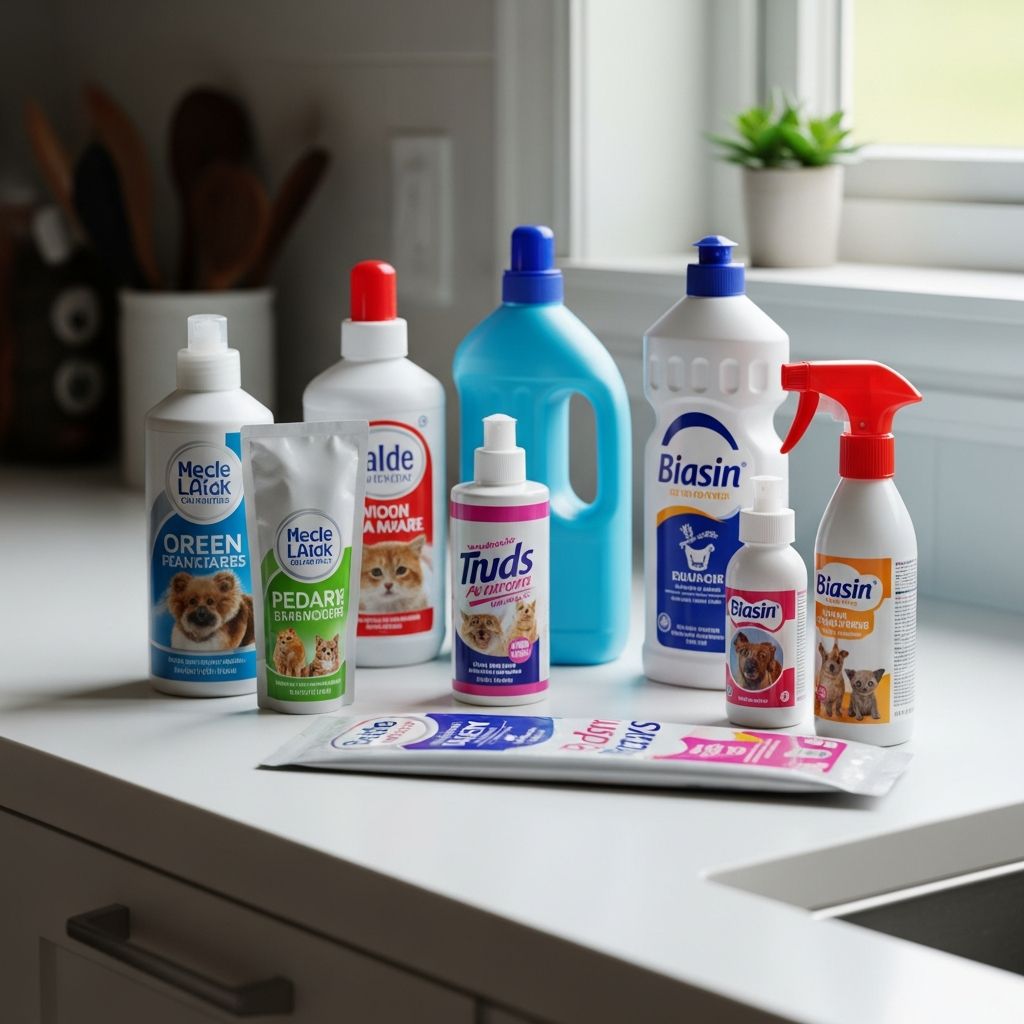
Common household items like soaps, detergents, and disinfectants pose significant risks to pets, leading to gastrointestinal upset, respiratory issues, and severe irritation when ingested, inhaled, or contacted. Understanding these threats enables pet owners to create safer living spaces through proactive measures and informed choices.
Common Household Products That Threaten Pets
Everyday cleaning agents and personal hygiene products often contain chemicals that irritate or damage animal tissues. Dogs and cats, with their curious natures, frequently encounter these substances by chewing containers, licking spills, or inhaling vapors. Key culprits include liquid detergents, bleach solutions, and grooming shampoos formulated for humans.
- Laundry and dish detergents: These frequently cause vomiting and mucosal inflammation due to their surfactant content.
- Bleaching agents: Chlorine-based formulas release fumes harmful to lungs and eyes.
- Shampoos and soaps: Particularly risky for cats through grooming behaviors.
Pet owners must recognize that even diluted forms can provoke reactions, emphasizing the need for secure storage.
Detergents and Soaps: Hidden Risks in Cleaning Supplies
Surfactants in detergents disrupt cell membranes, leading to localized inflammation in the mouth, esophagus, and stomach. Anionic types, prevalent in hand soaps and laundry formulas, typically induce mild responses but escalate with concentrated exposure. Dogs, prone to swallowing whole pods, face heightened dangers from rapid chemical release.
In one analysis of poisoning calls, canine exposures to detergent pods outnumbered other species, correlating with their mouthing tendencies. Expelled contents prolong contact, fostering regurgitation and potential lung aspiration. Symptoms emerge swiftly: excessive salivation, retching, and lethargy within minutes to hours.
| Product Type | Primary Risk | Symptoms in Dogs | Symptoms in Cats |
|---|---|---|---|
| Liquid Detergents | GI Irritation | Vomiting, Diarrhea | Respiratory Distress |
| Detergent Pods | Aspiration Pneumonia | Dyspnea, Collapse | Cyanosis, Edema |
| Bar Soaps | Mild Upset | hypersalivation | Skin Reactions |
Cats suffer uniquely from inhaling or ingesting sodium lauryl sulfate during self-cleaning, disrupting lung surfactants and causing breathing difficulties, moist lung sounds, and oxygen deprivation 1-3 hours post-exposure.
Bleach Exposure: From Fumes to Corrosive Burns
Sodium hypochlorite in bleaches varies from 3-10% in home versions to higher in pool products, with alkaline pH amplifying tissue damage. Undiluted ingestion erodes the gastrointestinal lining, while vapors inflame airways. Birds, owing to efficient lung gas exchange, succumb rapidly to fumes.
Diluted applications per instructions reduce hazards to transient nausea or hypersalivation. Concentrated forms, however, provoke hypernatremia, metabolic acidosis, and ulcers. Mixing with ammonia generates chloramine gas, delaying pulmonary edema up to 24 hours.
- Contact with eyes induces tearing and spasms, seldom progressing beyond surface effects.
- Skin exposure yields dermatitis or burns in prolonged cases.
- Inhalation predominates in confined areas, worsening for low-to-ground pets.
Non-chlorine alternatives like hydrogen peroxide milder but still irritate when undiluted.
Personal Care Products: Unexpected Pet Hazards
Human shampoos, lotions, and oral rinses contain fragrances, alcohols, and phenols toxic via grooming or spills. Dryer sheets with cationic agents burn oral tissues and risk obstructions. Pets licking residue from floors absorb phthalates and glycol ethers, linked to organ strain.
Cats metabolize phenols poorly, heightening sensitivity. Alcohol-based items cause central nervous depression, while essential oil concentrations in some cleaners provoke seizures.
Symptoms to Watch For Across Species
Early detection hinges on behavioral cues. Gastrointestinal signs dominate: protracted vomiting, bloody stools, abdominal pain. Respiratory manifestations include coughing, wheezing, and blue gums. Neurological effects like weakness or tremors signal severe intoxication.
| Symptom Category | Common Signs | Urgency Level |
|---|---|---|
| Gastrointestinal | Vomiting, Diarrhea, Anorexia | Moderate |
| Respiratory | Dyspnea, Cyanosis, Edema | High |
| Ocular/Dermal | Lacrimation, Burns, Redness | Low-Moderate |
| Systemic | Lethargy, Collapse, Acidosis | Critical |
Birds exhibit acute distress, often fatal without intervention.
Immediate Response to Suspected Exposure
Do not induce vomiting for corrosives, as it exacerbates injury. Rinse contact areas copiously with water. Contact veterinary poison control immediately for guidance. Activated charcoal binds some toxins, while IV fluids combat dehydration and electrolyte shifts.
For ocular cases, flush 20 minutes; dermal, shave fur if needed. Monitor for pneumonia via radiographs in pod exposures.
Preventive Strategies for a Pet-Safe Home
Store products in locked cabinets above pet reach. Use childproof lids rigorously. Clean in pet-free zones, ventilating thoroughly. Opt for pet-safe alternatives: vinegar-water mixes (rinsed well), baking soda scrubs, or enzymatic pet cleaners.
- Never leave buckets unattended.
- Dilute bleaches and rinse surfaces.
- Choose fragrance-free, biodegradable options.
Green-labeled items warrant label scrutiny, as some retain irritants.
Species-Specific Vulnerabilities
Dogs chew indiscriminately, targeting pods and bottles. Cats groom toxins into systems, amplifying respiratory risks. Birds inhale concentrated fumes perilously. Small mammals like rabbits suffer GI stasis from irritants.
Long-Term Health Implications
Repeated low-level exposures accumulate, potentially fostering chronic respiratory or dermal conditions. Aspiration incidents scar lungs permanently. Owners should track patterns and consult vets for baselines.
Frequently Asked Questions
Can diluted bleach harm my dog?
Diluted properly and rinsed, it poses minimal risk for cleaning kennels, but undiluted causes irritation.
Why are laundry pods more dangerous?
Concentrated surfactants burst rapidly, promoting aspiration and severe symptoms.
Is vinegar safe for pet areas?
Diluted vinegar cleans effectively without toxicity, provided residues dry fully.
What if my cat licked shampoo?
Watch for breathing issues; sodium lauryl sulfate disrupts feline lungs.
How do I treat detergent ingestion?
Withhold food briefly, offer water, seek vet care for persistent vomiting.
Choosing Safer Cleaning Alternatives
Embrace natural solutions: club soda for stains, lemon juice for grease (sparingly). Commercial pet formulas avoid harsh surfactants. Regular home audits prevent oversights.
In summary, vigilance transforms homes from hazard zones to havens. By prioritizing containment and mild cleaners, pet longevity improves markedly.
References
- Toxicoses From Household Cleaners and Personal Care Products in Animals — Merck Veterinary Manual. 2023. https://www.merckvetmanual.com/toxicology/toxicoses-from-household-hazards/toxicoses-from-household-cleaners-and-personal-care-products-in-animals
- Poisonous Household Products — ASPCA. 2024. https://www.aspca.org/pet-care/aspca-poison-control/poisonous-household-products
- Ingredients & Toxicities of Cleaning Products — ASPCA Pro. 2023. https://www.aspcapro.org/resource/ingredients-toxicities-cleaning-products
- Toxicology of household cleaning products and disinfectants — PubMed. 1991-07-01. https://pubmed.ncbi.nlm.nih.gov/2180194/
- How to Keep Your Pets Safe Around Cleaning Products — Humane World. 2023. https://www.humaneworld.org/en/all-animals/how-keep-your-pets-safe-around-cleaning-products
Similar Articles








Read full bio of Sneha Tete


