

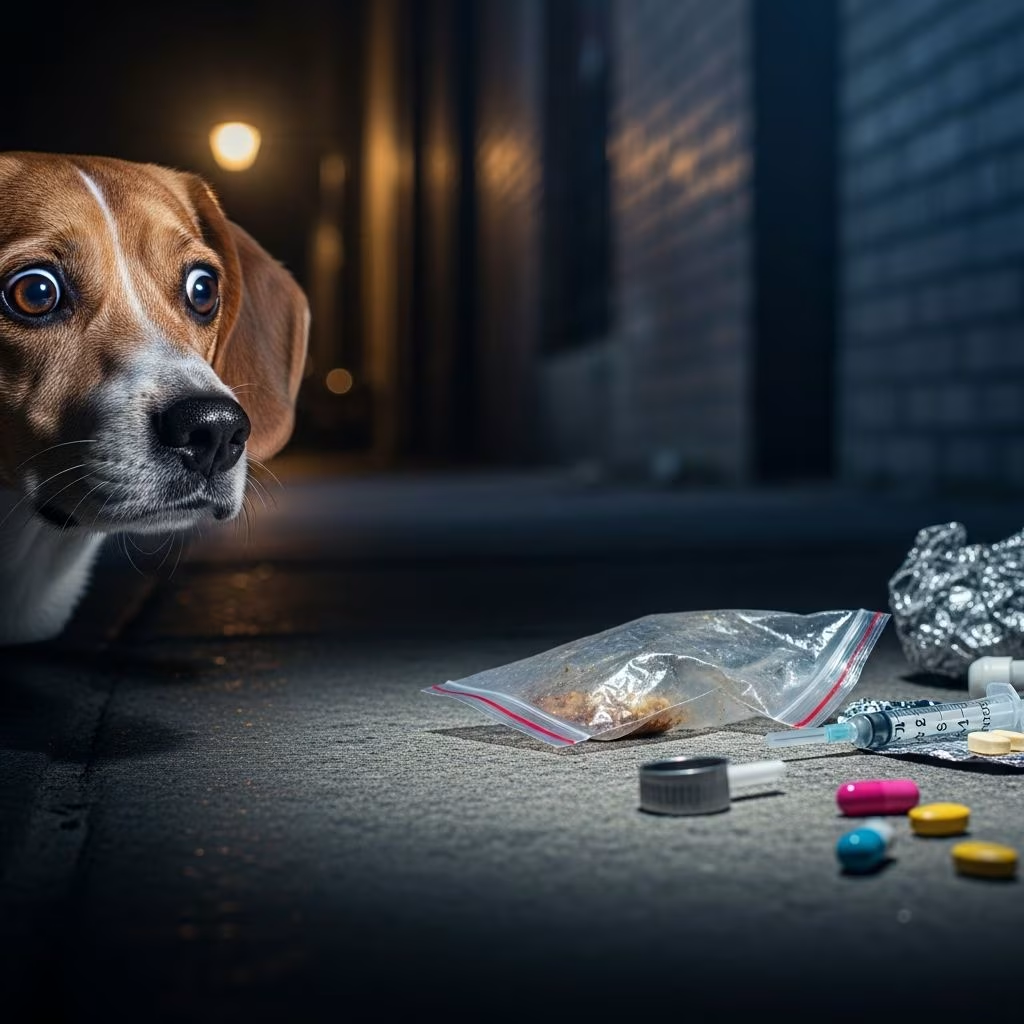
Household pets and working animals face significant risks from exposure to illicit and abused substances, often through accidental ingestion, inhalation, or malicious intent. These encounters can lead to rapid-onset severe symptoms requiring immediate veterinary intervention. Veterinary professionals play a crucial role in recognizing, decontaminating, and managing these cases effectively.
Common Exposure Routes and Scenarios
Animals typically encounter street drugs via ingestion of discarded materials, inhalation of smoke or residues, or dermal contact in environments contaminated by human use. Drug-sniffing dogs are particularly vulnerable during operations, while household pets may chew on packets left accessible. Owners often withhold accurate histories due to legal concerns, complicating diagnosis. Adulterants in these drugs further unpredictably intensify effects.
- Ingestion: Swallowing baggies, residues, or edibles laced with substances.
- Inhalation: Secondhand smoke or volatile fumes in confined spaces.
- Dermal/Ocular: Contact with powders or liquids on surfaces.
Prevalent Illicit Substances Affecting Animals
Several drugs top the list of exposures reported by poison control centers, including cannabis products, stimulants like amphetamines and cocaine, and depressants such as heroin. Emerging veterinary adulterants like xylazine are infiltrating street supplies, posing novel threats even to non-target species.
| Substance | Primary Effects in Animals | Common Sources |
|---|---|---|
| Marijuana/Cannabis | Ataxia, lethargy, urinary incontinence, bradycardia | Edibles, discarded joints |
| Amphetamines | Hyperactivity, seizures, hyperthermia, tachycardia | Pills, powders from human prescriptions |
| Cocaine | Agitation, tremors, seizures, arrhythmias | Powder or crack forms |
| Heroin/Opioids | Respiratory depression, coma, pinpoint pupils | Needles, packets |
| Xylazine (adulterant) | Sedation, hypotension, skin lesions | Laced fentanyl or heroin |
Marijuana Toxicity in Pets
Cannabis remains one of the most frequent illicit exposures, with tetrahydrocannabinol (THC) causing profound central nervous system depression. Dogs exhibit stumbling gait, disorientation, dilated pupils, and vomiting within 30 minutes to hours. Cats show similar signs but may vocalize excessively. Severity correlates with dose; concentrated oils amplify risks.
Treatment focuses on supportive care: intravenous fluids, anti-emetics, and activated charcoal if recent ingestion. Most recover within 24-72 hours with monitoring for secondary complications like aspiration pneumonia.
Stimulant Overdoses: Amphetamines and Cocaine
Stimulants trigger sympathetic overstimulation, leading to restlessness, panting, elevated body temperature, and potentially fatal seizures. Cocaine’s intravenous lethal dose in dogs is approximately 13 mg/kg, with oral doses slightly higher. Cats tolerate even less.
Hyperthermia management is critical, using cool water baths and fans alongside benzodiazepines for seizure control. Cardiovascular support prevents arrhythmias. Prognosis improves with early decontamination using emetics or gastric lavage.
Opioid and Heroin Challenges
Heroin and synthetic opioids depress respiration and mentation, presenting as profound sedation, slow heart rate, and hypothermia. Pinpoint pupils aid diagnosis. Naloxone reverses effects rapidly but may require repeated dosing due to heroin’s longer action.
Veterinary teams must prepare for reversal agents and ventilatory support. Adulteration with ultra-potent agents like carfentanil heightens lethality; even trace amounts can overwhelm.
Emerging Threats from Veterinary Adulterants
Street drugs increasingly contain animal medications like xylazine, medetomidine, and acepromazine, originally intended for veterinary sedation. Xylazine causes intense sedation and bradycardia, often without reversing opioid effects, complicating treatment. Positivity rates in toxicology samples have surged, reaching 18% in some regions by 2022.
Phenylbutazone, an NSAID, and pentobarbital, a euthanasia drug, appear in seized samples, adding anti-inflammatory or lethal risks. These adulterants evade standard screens, delaying recognition.
Recognizing Clinical Signs Across Drug Classes
Signs emerge swiftly, often within minutes, persisting 12-24 hours. Categorize by system:
- Neurologic: Depression to excitation, ataxia, tremors, seizures, coma.
- Gastrointestinal: Vomiting, diarrhea, constipation.
- Cardiovascular: Bradycardia, hypotension, hypertension, arrhythmias.
- Respiratory: Depression, dyspnea.
- Other: Hyperthermia (stimulants), hypothermia (depressants), mydriasis or miosis.
Differential diagnoses include metabolic disorders, but history and tox screens confirm illicit exposure.
Emergency Decontamination Protocols
Act swiftly: stabilize ABCs (airway, breathing, circulation) before decontamination. Induce emesis in asymptomatic dogs within 2 hours using apomorphine. Administer activated charcoal multiple times for enterohepatic recirculation. Avoid emetics in seizing or comatose patients.
Bathe dermal exposures thoroughly. Lipid-soluble drugs like THC may benefit from intravenous lipids in severe cases.
Supportive and Specific Therapies
Tailor care to toxin:
- Cannabis: Butorphanol for agitation, maropitant for nausea.
- Stimulants: Diazepam, acepromazine, propranolol if needed.
- Opioids: Naloxone boluses then infusion.
- Xylazine: No specific antidote; supportive alpha-2 reversal with atipamezole experimental.
Monitor with ECG, blood gases, and temperatures. Most stabilize in ICU settings within days.
Prevention Strategies for Pet Owners and Handlers
Secure storage prevents access. Educate on risks for working dogs. Prompt veterinary contact upon suspicion saves lives. Toxicology hotlines provide guidance.
Legal and Ethical Considerations
Illicit nature demands discretion; focus on animal welfare. Report suspicions appropriately without compromising care.
Frequently Asked Questions (FAQs)
What should I do if my dog ate marijuana edibles?
Prevent further ingestion, call a vet or poison hotline immediately. Expect supportive care like fluids and monitoring.
Can cats survive cocaine exposure?
Yes, with aggressive treatment for seizures and heart issues, but LD50 is low, so prognosis varies by dose.
Is xylazine toxic to pets?
Highly; it causes deep sedation unresponsive to naloxone if mixed with opioids.
How do I decontaminate a pet exposed to drug residue?
Bathe thoroughly and rinse eyes/mouth; seek professional help for ingestion.
Why are street drugs dangerous for working dogs?
High exposure risk during detection; adulterants like carfentanil amplify lethality.
Case Studies in Veterinary Practice
A police dog ingesting cocaine-laced packets showed hyperthermia and seizures, reversed with diazepam and cooling. A cat exposed to heroin via owner residue required naloxone and ventilation, recovering fully. These underscore rapid intervention’s value.
Adulterated fentanyl with xylazine in a pet dog caused non-responsive sedation, managed supportively over 48 hours.
References
- Illicit Drugs: What Veterinary Nurses Need to Know — Today’s Veterinary Nurse. 2023. https://todaysveterinarynurse.com/toxicology/illicit-drugs-what-veterinary-nurses-need-to-know/
- From Veterinary Medicine to Illicit Drug Supply: Utilising Social Media Data — PMC (NCBI). 2024-07-15. https://pmc.ncbi.nlm.nih.gov/articles/PMC11852530/
- Veterinary Drugs as Toxic Adulterating Substances in the Street Drug Supply — Lisbon Addictions. 2023. https://www.lisbonaddictions.eu/presentations/veterinary-drugs-toxic-adulterating-substances-street-drug-supply
- Toxicities from Illicit and Abused Drugs — Merck Veterinary Manual. 2023. https://www.merckvetmanual.com/toxicology/toxicities-from-human-drugs/toxicities-from-illicit-and-abused-drugs
- Illicit Drugs — Veterian Key. 2018. https://veteriankey.com/illicit-drugs/



