
Pet Claw Disorders Guide
Comprehensive insights into recognizing, diagnosing, and treating claw problems in dogs and cats for optimal pet paw health.
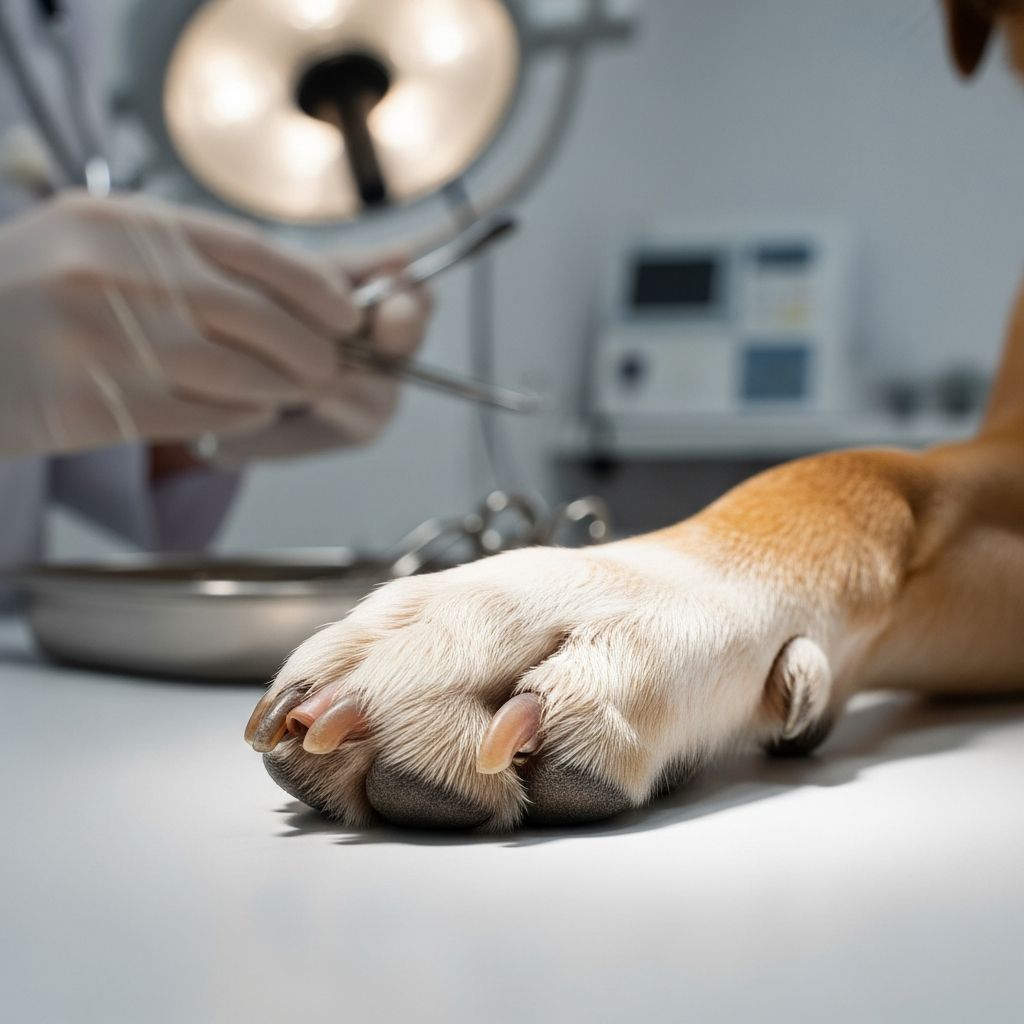
Claw and nail issues in pets like dogs and cats can significantly impact their mobility and comfort. These problems range from simple infections to complex immune-mediated conditions, often requiring prompt veterinary attention to prevent chronic pain or deformity. Understanding the signs and management options empowers pet owners to act swiftly.
Recognizing Claw Abnormalities in Pets
Early detection of claw problems is crucial for effective intervention. Pets may exhibit subtle behavioral changes that signal underlying issues with their claws or surrounding tissues.
- Limping or reluctance to walk: Indicates pain from cracked, infected, or overgrown claws.
- Excessive licking or chewing at paws: A response to irritation, itchiness, or discomfort around the nail bed.
- Visible changes in claw appearance: Such as discoloration, thickening, splitting, or nails detaching from the bed.
- Swelling, redness, or discharge: Common signs of infection at the base of the claw.
- Bleeding or pus: Suggests trauma, ingrown growths, or bacterial involvement.
These symptoms often affect multiple claws on one or more paws, particularly in dogs with allergies or environmental exposures. Cats may show similar signs but are more prone to fungal invasions due to grooming habits.
Common Infectious Causes of Claw Problems
Infections are among the most frequent culprits behind pet claw disorders, thriving in warm, moist environments around the paws.
Bacterial Paronychia
Bacterial infections target the soft tissues surrounding the claw, known as paronychia. This leads to erythema, swelling, and potential discharge. Pets often lick the area excessively, worsening the condition. Treatment typically involves antimicrobial soaks like chlorhexidine, oral antibiotics, and bandaging to protect the site. Pain relief medications help during healing, with bandages changed every 2-3 days under veterinary supervision.
Yeast Overgrowths
Yeast species like Malassezia or Candida flourish in allergic pets, causing red-brown staining on claws and waxy exudates. Dogs with concurrent skin allergies are particularly susceptible. Management includes topical antifungals such as nystatin or miconazole, alongside systemic options like ketoconazole. Addressing underlying allergies is key to preventing recurrence.
Fungal Onychomycosis
Fungal invasions, including dermatophytes (ringworm) and deeper pathogens like Trichophyton, penetrate the claw’s keratin structure. This results in brittle, crusty, or deformed claws. Ringworm is zoonotic, posing risks to humans. Oral antifungals like griseofulvin, itraconazole, or ketoconazole are essential, often for 3-12 months, with cultures confirming clearance. Topical soaks alone are insufficient.
Trauma-Related Claw Damage
Physical injuries from rough play, clipping mishaps, or environmental hazards frequently damage pet claws.
- Broken or split claws (onychorrhexis): Expose sensitive quick tissue, leading to bleeding and infection risk.
- Ingrown claws: Embed into surrounding skin, causing inflammation and abscesses.
- Overgrown claws: Curve painfully, impairing gait and joint health.
Immediate care involves stabilizing the claw with bandages, pain control, and sometimes partial removal of the nail plate. Laser therapy accelerates wound healing in severe cases. Regular trimming prevents these issues, especially for indoor pets with limited natural wear.
Autoimmune and Genetic Claw Conditions
Some claw disorders stem from the immune system attacking claw structures, leading to sloughing or deformity.
Symmetric Lupoid Onychodystrophy
This rare condition in dogs causes multiple claws to become brittle and shed. Breeds like German Shepherds may be predisposed. Diagnosis often requires biopsy of the third phalanx. Treatments include immunosuppressive drugs like glucocorticoids, omega fatty acids, and biotin supplements. Pentoxifylline offers adjunct support, with claw regrowth expected in 3-4 months.
Other Immune-Mediated Issues
Conditions like pemphigus or dermatomyositis present with claw bed inflammation and sloughing. High-dose essential fatty acids combined with steroids or tetracycline-niacinamide protocols promote recovery. In refractory cases, toe amputation may be necessary.
Diagnostic Approaches for Claw Diseases
Veterinarians employ a multi-step process to pinpoint claw issues accurately.
| Diagnostic Method | Purpose | Common Findings |
|---|---|---|
| Cytology and Cultures | Identify bacteria, yeast, or fungi | Organisms like Malassezia or dermatophytes |
| Biopsy/Histopathology | Confirm autoimmune diseases | Interface dermatitis or hydropic changes |
| Radiographs | Assess bone involvement | Third phalanx lysis in onychodystrophy |
| Wood’s Lamp/Fungal Culture | Detect ringworm | Fluorescence or growth confirmation |
These tests guide targeted therapy, avoiding unnecessary broad-spectrum treatments.
Treatment Strategies and Home Care
Therapy varies by cause but emphasizes infection control, pain management, and structural support.
- Medications: Antibiotics for bacteria, antifungals systemically for fungi/yeast, immunosuppressants for autoimmune cases.
- Topical Therapies: Soaks with povidone-iodine, lime sulfur, or chlorhexidine wipes.
- Surgical Interventions: Nail plate removal, third phalanx amputation for recalcitrant infections or deformities.
- Supportive Care: Booties, bandages, and paw hygiene to prevent reinfection.
Owners should monitor progress with follow-up visits, as treatments can span months. Nutritional support with fatty acids strengthens regrowing claws.
Prevention Tips for Healthy Pet Paws
Proactive measures reduce claw disease risks significantly.
- Trim claws monthly, avoiding the quick.
- Maintain paw cleanliness, especially post-walks.
- Moisturize dry pads to prevent cracks.
- Manage allergies with vet-recommended diets or meds.
- Provide balanced nutrition rich in biotin and omegas.
Breeds with curly claws, like Pugs, need extra vigilance.
Prognosis and Long-Term Management
Most infectious claw issues resolve with diligent care, though fungal cases may require extended therapy. Autoimmune disorders often need lifelong management to prevent flares. Early intervention improves outcomes, minimizing amputation needs. Pets with resolved issues benefit from routine paw checks.
Frequently Asked Questions
Why is my dog limping and licking its paws?
This often signals claw infection, trauma, or allergy-related paronychia. Consult a vet for exam and cultures.
Can claw infections spread to humans?
Yes, ringworm is zoonotic; practice hygiene and seek prompt treatment.
How long does claw regrowth take?
Typically 3-6 months, faster with supportive therapies like fatty acids.
Is surgery always needed for bad claw infections?
No, but partial nail removal or phalanx amputation may be required if medical therapy fails.
What home remedies help claw problems?
Epsom salt soaks and chlorhexidine wipes offer temporary relief, but vet diagnosis is essential.
References
- Nail and Nailbed Disorders in Pets — Tri County Animal Hospital. 2023. https://tricountyah.com/pet-health/nail-nailbed-disorders/
- Nail Infections in Dogs — PetMD. 2024-01-15. https://www.petmd.com/dog/conditions/skin/nail-infections-dogs
- Symptoms of Dog Nail Disorders — Cleveland Vet Caldwell. 2023-05-10. https://clevelandvetcaldwell.com/blog/1084340-symptoms-of-dog-nail-disorders
- Symmetric Lupoid Onychodystrophy in Dogs — MedVet. 2024. https://www.medvet.com/lupoid-onychodystrophy-in-dogs/
- Nail Diseases in Dogs and Cats — Preventive Vet. 2023-11-20. https://www.preventivevet.com/pets/nail-diseases
- Dog Nail Problems You Should Know About — VetDERM Clinic. 2022-08-05. https://www.vetdermclinic.com/dog-nail-problems-you-should-know-about/
- Nail Diseases (Proceedings) — DVM360. 2023. https://www.dvm360.com/view/nail-diseases-proceedings
Similar Articles








Read full bio of medha deb


