

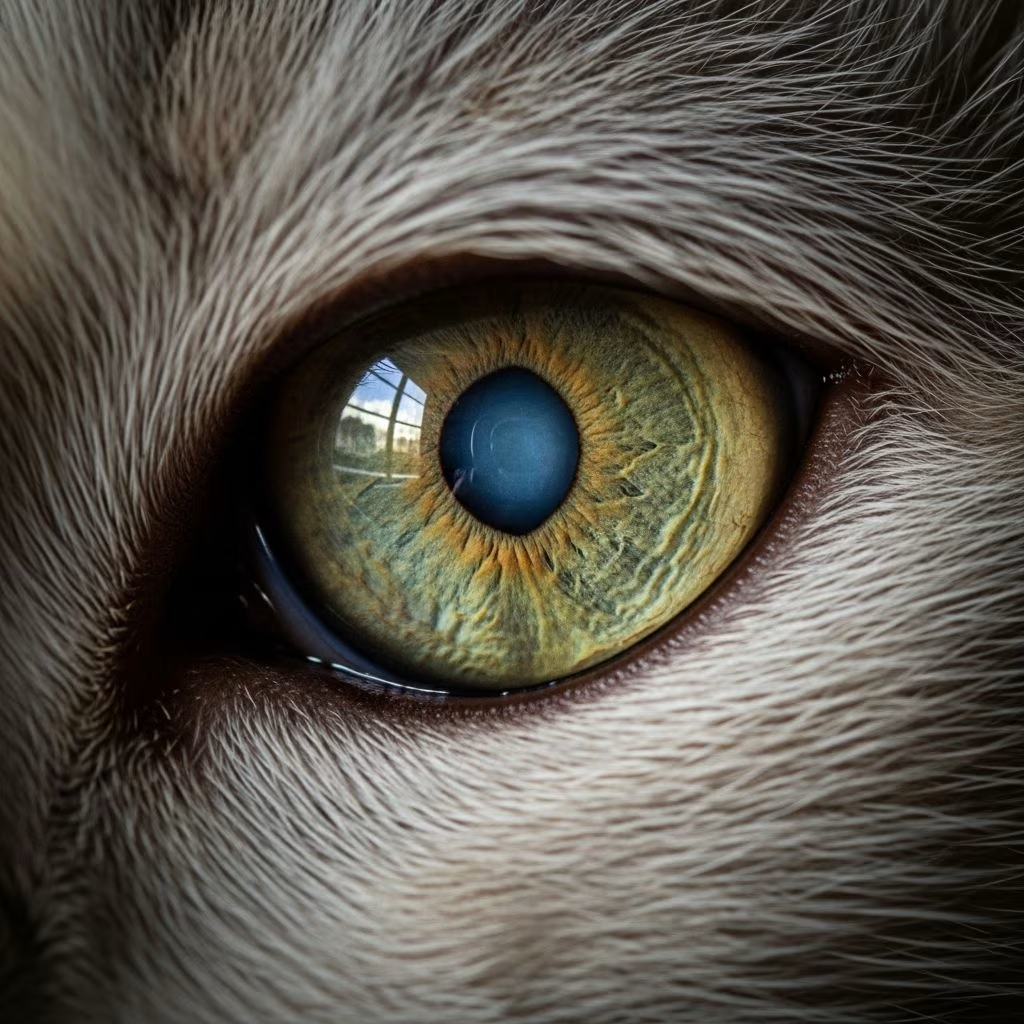
Cataracts represent a prevalent ocular issue in pets, particularly dogs and cats, where the lens becomes opaque, obstructing light from reaching the retina and causing progressive vision impairment or total blindness. This condition alters the normally clear lens into a cloudy structure, mimicking a frosted barrier that distorts sight. Pet owners frequently observe a milky or bluish haze in the pupil, signaling the onset of this sight-stealing ailment. Understanding cataracts empowers guardians to intervene early, potentially preserving their animal companion’s quality of life through timely veterinary care.
Recognizing the Signs of Cataracts in Pets
Early detection hinges on spotting subtle behavioral and physical changes. Pets with developing cataracts may hesitate in dim environments, misjudge leaps onto furniture, or collide with obstacles they once avoided effortlessly. A hallmark indicator is the eye’s altered appearance: the pupil shifts from black to a whitish or grayish tone, especially noticeable in bright light. Advanced cases reveal a fully opaque lens, rendering the eye milky-white.
- Cloudy or bluish discoloration in one or both pupils
- Bumping into walls, furniture, or familiar objects
- Reluctance to navigate stairs, jump, or play fetch
- Squinting, pawing at eyes, or rubbing face against surfaces
- Changes in gait, such as high-stepping or unsure footing
- Redness, swelling, or watery discharge around the eyes
These symptoms escalate as cataracts mature. Immature cataracts obscure partial lens areas, allowing variable vision like peering through fogged glass. Mature ones engulf the entire lens, inducing near-blindness where pets detect only light contrasts. Hyper-mature stages may inflame surrounding tissues, provoking pain.
Common Causes Behind Pet Cataracts
Cataracts arise from lens protein breakdown or fluid imbalances, triggered by diverse factors. In dogs, genetics dominate, afflicting breeds like Poodles, Boston Terriers, Miniature Schnauzers, and American Cocker Spaniels predisposed to hereditary forms. Diabetes mellitus accelerates rapid bilateral cataracts, swelling lens fibers via sorbitol accumulation. Aging contributes in senior pets, while trauma, inflammation (uveitis), or toxins like radiation induce secondary cataracts.
Cats experience cataracts less frequently, often linked to trauma, uveitis, or lens dislocation rather than inheritance or diabetes. Nutritional deficiencies or infections rarely play roles. Unlike human age-related cataracts, pet versions stem more from metabolic disruptions or congenital defects.
| Factor | Dogs | Cats |
|---|---|---|
| Genetics | High risk in specific breeds | Rare |
| Diabetes | Common, fast progression | Uncommon |
| Trauma/Uveitis | Frequent secondary cause | Primary trigger |
| Aging | Moderate | Occasional |
Diagnostic Process for Confirming Cataracts
Veterinarians initiate diagnosis with a comprehensive history review, noting symptom onset and health issues like polydipsia or polyuria hinting at diabetes. A thorough ophthalmic exam employs an ophthalmoscope to inspect lens opacities directly. Dilation facilitates retina visibility, crucial for surgical candidacy.
Specialized assessments include:
- Slit-lamp biomicroscopy: Illuminates lens defects precisely.
- Tonometry: Gauges intraocular pressure to rule out glaucoma.
- Schirmer tear test: Quantifies tear production for dry eye exclusion.
- Fluorescein staining: Detects corneal ulcers or scratches.
For surgery prospects, pre-op evaluations encompass electroretinogram (ERG) verifying retinal function and ocular ultrasound scanning for detachments. Blood panels screen systemic diseases. Board-certified veterinary ophthalmologists handle complex cases, ensuring accurate baselines for monitoring.
Treatment Options to Restore Pet Vision
Management varies by cataract stage and pet health. Small, non-progressing cataracts warrant monitoring with anti-inflammatory drops to curb uveitis. Pain relief addresses secondary complications like glaucoma or luxation.
Surgical Intervention: Phacoemulsification, the gold standard, ultrasonically fragments and aspirates the lens, implanting an artificial intraocular lens. Success rates exceed 90% in eligible candidates with healthy retinas, restoring near-normal vision. Pre-op optimization controls diabetes or inflammation. Post-op, pets don e-collars, receive topical antibiotics/steroids, and attend rechecks. Complications like retinal detachment or posterior capsule opacification occur rarely, treatable with laser.
Non-surgical alternatives include lifestyle adaptations: rearrange furniture, use scent markers, or harnesses for navigation. Antioxidants or supplements lack robust evidence for reversal.
Post-Treatment Care and Recovery Expectations
Recovery spans weeks. Initial cloudiness from swelling resolves gradually. Restrict activity to prevent trauma; confine indoors initially. Administer medications diligently, monitoring for infection signs like discharge or lethargy. Vision sharpens over 4-6 weeks, with 95% pets regaining functionality if uncomplicated.
Long-term, annual ophthalmology exams track capsule clarity. Diabetic dogs require glucose stabilization to avert recurrence. Most regain confidence, resuming play and exploration.
Preventive Strategies for Maintaining Clear Vision
Though not all cataracts are avoidable, proactive steps mitigate risks. Manage diabetes via diet, insulin, and vet checkups to forestall lens changes. Protect eyes from trauma with goggles during rough play. Routine senior wellness exams facilitate early detection. Genetic screening aids breeders in reducing hereditary prevalence. Maintain uveitis-free eyes through prompt inflammation treatment.
When to Seek Immediate Veterinary Attention
Rush to the vet if eyes redden, bulge, or if your pet shows pain via squinting, lethargy, or facial rubbing. Sudden vision loss, unequal pupils, or behavioral shifts like withdrawal signal emergencies like glaucoma secondary to cataracts. Early action prevents irreversible damage.
Frequently Asked Questions About Pet Cataracts
Can cataracts in pets resolve without surgery?
Rarely; most progress without intervention. Medical management slows advancement but doesn’t clear the lens.
Is cataract surgery safe for older pets?
Yes, if overall health is stable. Age alone doesn’t disqualify; systemic diseases do.
Do cats get cataracts as often as dogs?
No, cats develop them infrequently, usually from injury rather than genetics.
What breeds are most prone to cataracts?
Dogs like Poodles, Schnauzers, Terriers, and Cocker Spaniels face higher genetic risks.
How quickly do diabetic cataracts form?
In weeks to months post-diagnosis, often bilaterally and rapidly.
Armed with knowledge, pet owners can champion their companions’ ocular health, transforming potential blindness into manageable recovery.
References
- Cataracts in Dogs — VCA Animal Hospitals. Accessed 2026. https://vcahospitals.com/know-your-pet/cataracts-in-dogs
- Cataracts in Dogs: Signs, Causes, and Treatment — PetMD. Accessed 2026. https://www.petmd.com/dog/conditions/eye/c_dg_cataract
- Signs Your Pet May Have Glaucoma or Cataracts — Animal Eye Clinic of New Jersey. Accessed 2026. https://www.aecofnj.com/blog/cataracts
- Understanding Cataracts in Dogs and Cats: Symptoms, Causes, and Treatments — Sandy Paws Veterinary Hospital. Accessed 2026. https://www.sandypawsvets.com/blog/understanding-cataracts-in-dogs-and-cats-symptoms-causes-and-treatments
- Cataracts — Colorado State University Veterinary Teaching Hospital. Accessed 2026. https://vetmedbiosci.colostate.edu/vth/services/ophthalmology/cataracts/
- Cataracts in Dogs: Signs, Causes, Diagnosis, and Treatment — Best Friends Animal Society. Accessed 2026. https://bestfriends.org/pet-care-resources/cataracts-dogs-signs-causes-diagnosis-and-treatment
- Diagnosis & Treatment of Canine Cataracts — PetVet Care Centers. 2020-03-09. https://www.petvetcarecenters.com/site/blog/2020/03/09/diagnosis-treatment-canine-cataracts



