

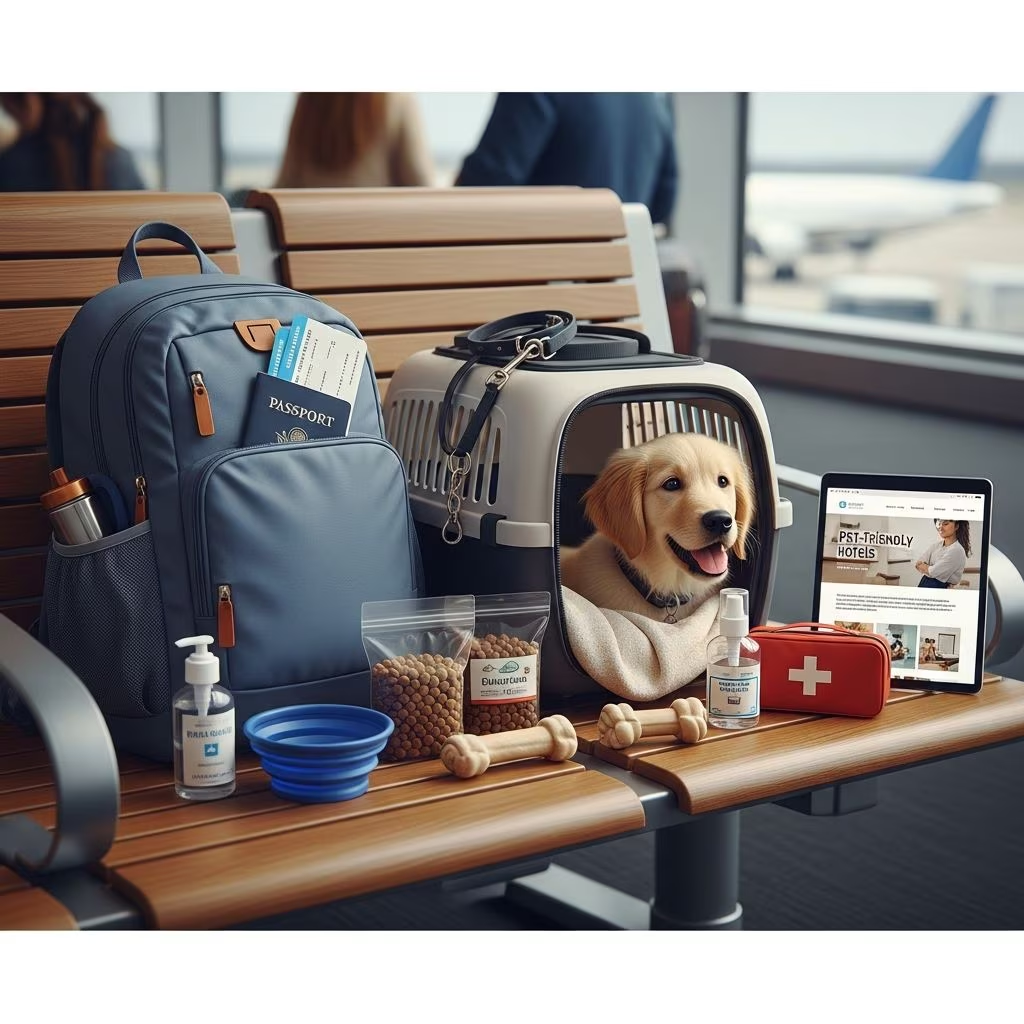
Traveling with your beloved dogs and cats requires thoughtful planning and preparation. Whether you’re taking a weekend getaway or relocating across the country, understanding how to properly care for your pets during transit and at your destination can make the experience significantly less stressful for both you and your animals. This comprehensive guide covers the essential steps needed to ensure your pets remain safe, healthy, and comfortable throughout your travels.
Pre-Travel Preparation: Setting the Foundation for Success
The success of any pet travel experience begins weeks before your departure. Proper preparation eliminates surprises and ensures you have everything needed to maintain your pet’s wellness and comfort.
Veterinary Consultation and Health Documentation
Before embarking on any journey with your pets, schedule a comprehensive veterinary appointment. Your veterinarian can assess your pet’s overall health status and determine whether travel is appropriate for them, particularly if they have pre-existing health conditions. Ensure that your cat or dog’s core vaccines are current, including rabies vaccination, which is legally required in most states. If traveling to a new region, your vet can also recommend vaccinations for lifestyle diseases that may be prevalent in your destination area. Request health certificates and any necessary documentation from your veterinarian, as some airlines and accommodations require proof of vaccination and good health status.
For pets with chronic conditions or age-related concerns, discuss whether your destination’s climate or elevation might pose risks. Persian cats and other flat-faced breeds are particularly susceptible to heat stress and oxygen deprivation during air travel, making veterinary guidance especially important for these animals.
Microchipping and Identification
Even the calmest pet can become disoriented in unfamiliar surroundings or escape during travel. Microchipping your dog or cat provides permanent identification that cannot be lost or removed. Ensure the microchip information is current with your contact details. In addition to microchipping, equip your pet with a sturdy collar and identification tags displaying your pet’s name, your phone number, and any relevant medical information. Having multiple forms of identification significantly increases the chances of reunion if your pet becomes separated from you during your trip.
Gradual Acclimation to Travel
If your pet has limited travel experience, acclimate them gradually to the experience. Begin with short car rides to help them understand that traveling doesn’t inherently cause harm or distress. Take your pet on progressively longer journeys, allowing them to become comfortable with motion and new environments. This conditioning helps reduce anxiety during actual travel and teaches pets that the experience is manageable. Additionally, exercise your pet thoroughly before traveling, as physical activity helps tire them out and can make them more relaxed during the journey.
Essential Packing: Creating Your Pet Travel Kit
Comprehensive packing ensures your pet has everything needed for comfort and health during travel. Create a dedicated pet travel kit that stays organized and accessible throughout your journey.
Nutrition and Hydration Supplies
Pack your pet’s regular food in sufficient quantities to last your entire trip, as switching to unfamiliar food can cause digestive upset during travel. Include collapsible bowls for both food and water, as these take minimal space while remaining functional. Maintain your pet’s typical feeding schedule as much as possible, since dogs and cats are routine-oriented animals and familiar meal times help them feel more secure during travel. Bring a water bowl and ensure your pet has access to fresh water throughout your journey, as hydration is crucial during transit. Offer water frequently but in small amounts to prevent digestive issues, and avoid feeding a large meal immediately before travel to reduce the risk of motion sickness.
Medical Essentials and Comfort Items
Pack all medications your pet requires, clearly labeled with dosage instructions. Include a first-aid kit tailored to your pet’s specific needs, containing items such as gauze, bandages, antiseptic, and any pet-specific medical supplies. Bring a familiar bed, blanket, or favorite toy to help your pet feel at ease in unfamiliar spaces. These comfort items carry familiar scents and textures that provide psychological reassurance. Additionally, pack grooming supplies, including brushes, nail clippers, and any special shampoos or treatments your pet requires.
Practical Travel Accessories
Include waste collection supplies such as plastic bags for dogs or portable litter supplies for cats. Bring a secure leash or harness, as these are especially important when your pet will spend time outdoors more than usual. Pack cleaning supplies for accidents, including enzymatic cleaners, paper towels, and disinfectant wipes. If traveling by air, ensure you have a well-ventilated, secure crate or carrier that meets International Air Transport Association Live Animals Regulations standards. Label your carrier clearly with your contact information so it can be easily identified if separated from your baggage.
Transportation Method Selection: Choosing What Works Best
The method you choose for transporting your pet significantly impacts their stress level and safety. Different transportation modes present distinct advantages and considerations.
Road Travel by Automobile
Traveling by car offers flexibility and allows you to maintain control over your pet’s environment. Keep your cat’s carrier secured in the back seat with a seat belt, preventing it from bouncing around during sudden stops or turns. Never place your cat’s carrier in the front seat, as airbag deployment can cause serious injury. Similarly, never allow your cat’s head to protrude from a vehicle window, as this exposes them to debris and potentially harmful cold air. For longer journeys exceeding six hours, cats require accommodation beyond a standard carrier, including space for a small litter box.
For dogs, ensure they are properly restrained using harnesses, carrier systems, or barrier gates designed for vehicle use. Stop every few hours to allow your dog bathroom breaks and exercise. Monitor your pet’s behavior for signs of distress such as excessive panting, drooling, whining, or lethargy. Maintain proper vehicle ventilation and avoid subjecting your pet to extreme temperatures, as pets are susceptible to overheating and cold stress.
Air Travel Considerations
Flying with your pet requires advance planning and understanding of airline regulations. Research your chosen airline’s specific policies regarding pet transport, as requirements vary significantly between carriers. Airlines typically require that pets travel in IATA-compliant carriers. Air travel can be stressful for cats and potentially dangerous, as it may lead to oxygen deprivation or heat stroke, particularly in flat-faced breeds. Before choosing air travel, consider whether alternative transportation methods might be less stressful for your pet.
Prepare required documentation including vaccination records, health certificates, and airline-specific forms. For international travel, research destination country entry requirements for pets, as these regulations vary widely. Arriving at the airport significantly early allows time for check-in without rushing your pet, and try to book flights that minimize connections and time in airport environments.
Cruise Ship and Train Travel
Cruise travel presents limited options for pet owners. Only a small number of cruise lines permit pets, typically only on ocean crossings, and usually only in private cabins rather than kennels. Contact your desired cruise line well in advance to determine their specific pet policies and available facilities. Train travel, while less commonly used for pet transport, may be available in certain regions and offers a middle ground between car and air travel.
Accommodation Selection: Finding Pet-Friendly Lodging
If your trip extends beyond a day journey, securing pet-friendly lodging in advance is essential. Without pre-arrangement, you may find limited options upon arrival, potentially compromising your accommodations or forcing difficult choices.
Hotel and Lodging Options
Approximately 75% of hotels, including luxury, mid-scale, and economy establishments, now offer pet-friendly accommodations. Many hospitality chains feature properties specifically designed for pet owners, complete with amenities such as dog bars in lobbies, pet beds in rooms, and designated outdoor relief areas. Pet-friendly boutique chains specialize in accommodations tailored to animal needs, often providing premium services for traveling pets.
When booking, inquire about specific pet policies including any size or breed restrictions, additional fees, and available amenities. Understand whether your pet must remain in the room when you’re away, or if certain areas allow free roaming. Request ground-floor rooms when possible, as these provide easier outdoor access for bathroom breaks. Upon arrival, familiarize your pet with the new space and establish a routine similar to home to help them adjust quickly.
Alternative Care Options
Boarding facilities offer a viable alternative to traveling with your pet, allowing your animal to relax comfortably in a home-like environment. Quality boarding facilities employ trained staff who maintain your pet’s routine and provide social interaction. For extended stays, in-home pet sitters can care for your pet while you travel, maintaining their familiar surroundings and daily schedule. This option often results in less stress for pets compared to traveling or boarding in unfamiliar facilities.
In-Transit Care and Monitoring
During your travels, proactive monitoring and responsive care ensure your pet remains safe and comfortable throughout the journey.
Behavioral Observation and Stress Management
Monitor your pet’s behavior continuously during travel, watching for distress indicators such as excessive panting, drooling, whining, vomiting, or lethargy. Any of these signs warrant immediate attention and potentially veterinary care. Provide reassurance through soothing words, gentle petting, and maintaining calm demeanor, as pets respond to their owner’s anxiety levels. Avoid sudden movements or loud noises that might startle or stress your pet. If traveling with a companion, assign one person to focus on monitoring and comforting the pet while others handle driving or travel logistics.
Feeding and Hydration Schedule
Offer your pet water frequently throughout the journey in small amounts to prevent both dehydration and motion sickness. Provide food in regular meal portions according to your pet’s normal schedule. If your pet shows signs of motion sickness or anxiety-related appetite suppression, consult with your veterinarian beforehand about dietary adjustments or medications that might help. Some pets require smaller portions eaten more frequently during travel to maintain proper nutrition without digestive upset.
FAQs About Pet Travel
Can I sedate my pet for travel?
Never sedate your pet without explicit veterinary guidance and approval. Sedation during air travel can be particularly dangerous as it may impair your pet’s ability to regulate body temperature or breathing. Consult your veterinarian about appropriate anxiety management options if your pet experiences severe travel stress.
What should I do if my pet becomes ill during travel?
Research veterinary clinics along your travel route before departing. Keep your veterinarian’s contact information handy, and ask for referrals to veterinary services at your destination. Have your pet’s medical records available for any emergency veterinary visits.
How often do pets need bathroom breaks during car travel?
Most pets require bathroom breaks every few hours during car travel. Plan your route to include regular stops at pet-friendly rest areas where your pet can safely relieve themselves.
Are certain breeds better suited for travel?
While some breeds may have more adaptable temperaments, individual personality varies greatly. Flat-faced breeds face increased risks during air travel due to respiratory vulnerability. Age and overall health status are often more relevant factors than breed when determining travel suitability.
Creating a Comfortable Travel Experience
Ultimately, successful pet travel hinges on thoughtful preparation, understanding your specific pet’s needs and limitations, and remaining flexible throughout your journey. By following these comprehensive guidelines and consulting with your veterinarian about your specific situation, you can create a travel experience that keeps your dog or cat safe, healthy, and as comfortable as possible. Remember that your pets depend on you to advocate for their wellbeing, and the time you invest in proper planning directly translates to a smoother, less stressful journey for everyone involved.
References
- Pet Travel Guide: How to Fly Safely With Your Dog or Cat — CareCredit. 2024. https://www.carecredit.com/well-u/pet-care/how-travel-safely-pets/
- Traveling safely with your pet: The ultimate guide — American Animal Hospital Association (AAHA). 2024. https://www.aaha.org/resources/the-ultimate-guide-to-traveling-safely-with-your-pet/
- Advice on How To Travel With a Cat — PetVet Care Centers. 2023. https://www.petvetcarecenters.com/site/blog/2023/06/15/travel-with-your-cat
- Traveling with Pets and Service Animals — Centers for Disease Control and Prevention (CDC) Yellow Book. 2024. https://www.cdc.gov/yellow-book/hcp/family-travel/traveling-with-pets-and-service-animals.html
- A Guide To Vacation With Your Cat Or Dog — Shey’s Veterinary Hospital. 2024. https://sheysvet.com/guide-to-vacation-with-cat-dog/
- A Traveling Pet Owner’s Guide to Dog Road Trip Essentials — The University Animal Clinic. 2024. https://www.theuniversityanimalclinic.com/services/dogs/blog/traveling-pet-owners-guide-dog-road-trip-essentials
- Domestic and International Travel With a Pet — USDA Animal and Plant Health Inspection Service (APHIS). 2024. https://www.aphis.usda.gov/pet-travel



