
Pet Cancer Prevention: Vet-Backed Tips To Lower Risk
Essential strategies to lower your pet's cancer risk through diet, exercise, and vigilant care for a healthier, longer life.
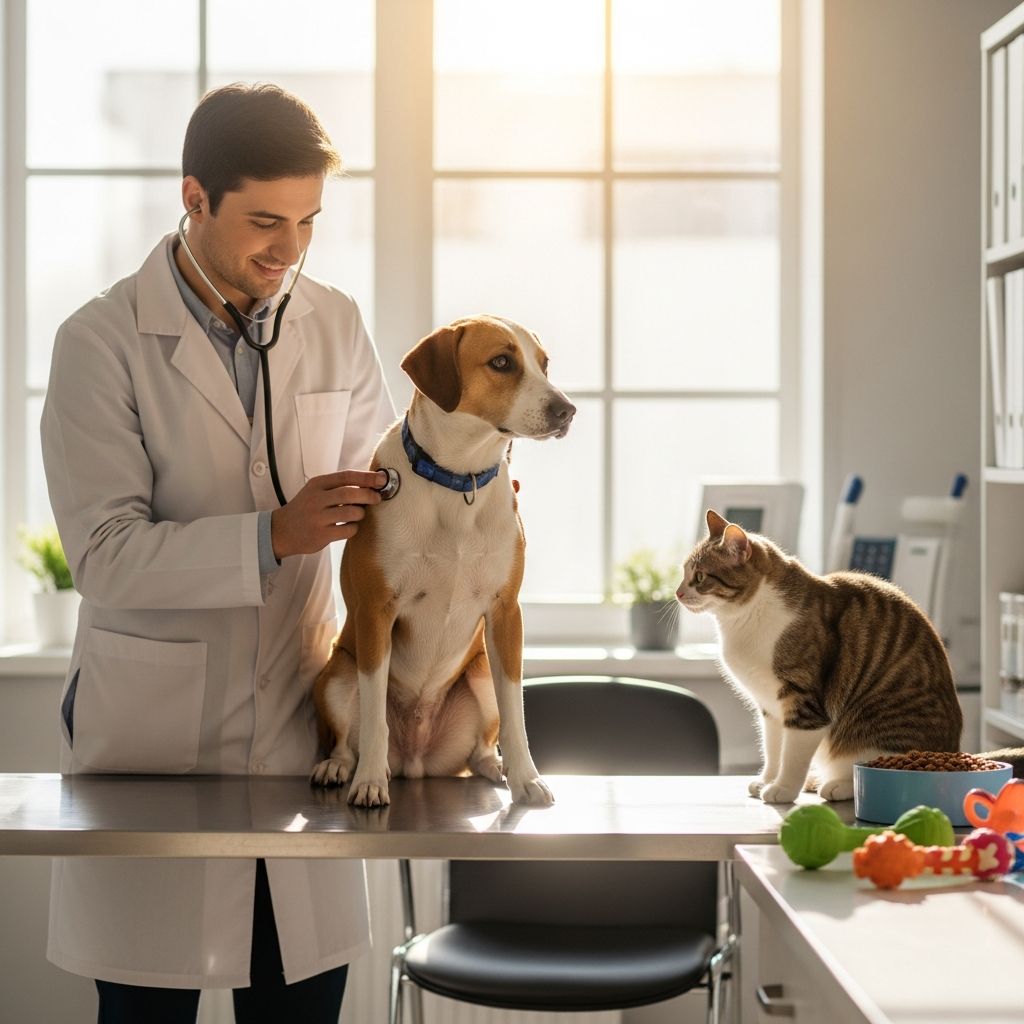
Cancer affects nearly half of dogs and many cats over age 10, making prevention a vital part of pet ownership. While no method guarantees immunity, evidence-based lifestyle changes significantly lower risks for common cancers like mammary, testicular, lymphoma, and skin tumors.
Understanding Cancer Risks in Pets
Pets face similar cancer threats as humans, influenced by genetics, age, environment, and lifestyle. Older animals are most vulnerable, with breeds like Golden Retrievers and Boxers showing higher lymphoma rates. Environmental toxins, obesity, and unaddressed reproductive hormones elevate dangers, but proactive steps can mitigate these.
Maintaining Optimal Weight and Nutrition
Obesity links to inflammation, a cancer precursor, increasing risks for various tumors. Feed a balanced, AAFCO-approved diet tailored to age, breed, and activity—avoid table scraps.
- Portion control prevents overfeeding.
- High-quality proteins support lean muscle.
- Antioxidant-rich foods like blueberries may offer protective benefits, though more research is needed.
Consult vets for personalized plans, especially for seniors prone to metabolic slowdowns.
The Power of Regular Physical Activity
Exercise maintains lean weight, regulates hormones, and boosts immunity. Aim for 30-60 minutes daily: walks for dogs, play for cats.
| Pet Type | Recommended Activity | Benefits |
|---|---|---|
| Dogs | Brisk walks, fetch | Weight control, mental stimulation |
| Cats | Interactive toys, climbing | Reduces obesity, enhances agility |
Active pets show lower cancer incidence due to reduced fat tissue inflammation.
Spaying and Neutering: A Key Protective Measure
Spaying females before first heat slashes mammary cancer risk by up to 99% in dogs; neutering males eliminates testicular cancer. Early intervention (under 12 months) maximizes benefits, though weigh breed-specific risks like hemangiosarcoma.
- Dogs: Reduces mammary/uterine tumors.
- Cats: >85% of breast tumors malignant; spaying prevents most.
- Discuss timing with vets for optimal health balance.
Eliminating Tobacco Smoke Exposure
Secondhand and thirdhand smoke heightens nasal cancer risks in dogs and lung issues in cats. Toxins linger on fur and surfaces.
Maintain smoke-free homes—nasal carcinomas rise with chronic exposure. Simple: no indoor smoking, wash pet bedding regularly.
Protecting Against Sun Damage
Light-skinned or short-coated pets risk squamous cell carcinoma on noses/ears from UV rays. Limit midday sun (10am-4pm).
- Provide shade and shelter.
- Pet-safe sunscreen for vulnerable areas (vet-approved).
- Razored breeds need extra caution.
Pigmented noses offer natural protection; monitor for changes.
Steering Clear of Environmental Toxins
Lawn pesticides, herbicides, and asbestos correlate with lymphoma and bladder cancers. Keep pets off treated grass until dry (24-48 hours).
Opt for natural yard care or professional services with pet-safe protocols. Indoor plants like lilies are toxic—choose safe alternatives.
Understanding Breed-Specific Vulnerabilities
Genetics play a role: Scottish Terriers face bladder cancer risks; Rottweilers, osteosarcoma. Research your breed’s history.
- Golden Retrievers: Lymphoma vigilance.
- Boxers: Mast cell tumors.
- Mix vigilance with general prevention.
Breeder inquiries reveal lineage health for early monitoring.
At-Home Monitoring for Early Signs
Weekly checks detect lumps, sores, or lymph swelling early. Note appetite, energy, stool changes.
- Feel body for new growths.
- Inspect mouth, skin, gums.
- Track weight and behavior shifts.
Early tumors are smaller, more treatable—act on anomalies promptly.
Routine Veterinary Wellness Exams
Annual (biannual for seniors) checkups with bloodwork, urinalysis catch issues invisibly. Baselines enable trend spotting.
2026 AAHA guidelines stress oncology-aware visits for all ages. Vaccinate judiciously—PureVax minimizes risks for low-exposure cats.
Nutrition and Supplements: Supportive Roles
While no supplement cures, omega-3s and antioxidants may aid immunity. Vet-guided only—avoid unproven claims.
Balanced diets trump additives; focus on whole foods.
FAQs
Can all pet cancers be prevented?
No, but 30-50% risk reduction is possible via lifestyle.
Is obesity a cancer risk for cats too?
Yes, linked to diabetes and potential tumors.
When should I spay/neuter?
Before puberty for max protection; vet advice per breed.
What if my pet has light fur?
Extra sun precautions essential.
How often for vet visits?
Yearly young adults; 6 months seniors.
Long-Term Commitment to Pet Health
Integrate these habits for comprehensive protection. Early detection via guidelines improves outcomes dramatically. Your vigilance extends life—partner with vets for tailored plans.
References
- 7 Pet Cancer Prevention Tips — Advet Cancer Care. 2023. https://advetcc.com/cancer-care/7-pet-cancer-prevention-tips/
- Pet Cancer Prevention Tips — Colorado State University Animal Cancer Center. 2021-10-29. https://www.csuanimalcancercenter.org/2021/10/29/pet-cancer-prevention-tips/
- 5 Ways to Help Prevent Cancer in Your Pet — Onalaska Animal Hospital. N/A. https://www.onalaskaanimalhospital.com/blog/5-ways-to-help-prevent-cancer-in-your-pet
- Preventing Cancer In Dogs: 8 Ways To Minimize The Risk — PetCure Oncology. N/A. https://petcureoncology.com/preventative-steps-to-minimize-risk-of-cancer-in-dogs/
- Cancer in pets — American Veterinary Medical Association (AVMA). N/A. https://www.avma.org/resources/pet-owners/petcare/cancer-pets
- Reducing the Risk of Cancer in Animals — Merck Veterinary Manual. N/A. https://www.merckvetmanual.com/special-pet-topics/cancer-and-tumors/reducing-the-risk-of-cancer-in-animals
- 2026 AAHA Oncology Guidelines for Dogs and Cats — American Animal Hospital Association (AAHA). 2026. https://www.aaha.org/resources/2026-aaha-oncology-guidelines-for-dogs-and-cats/
Similar Articles








Read full bio of Sneha Tete


