

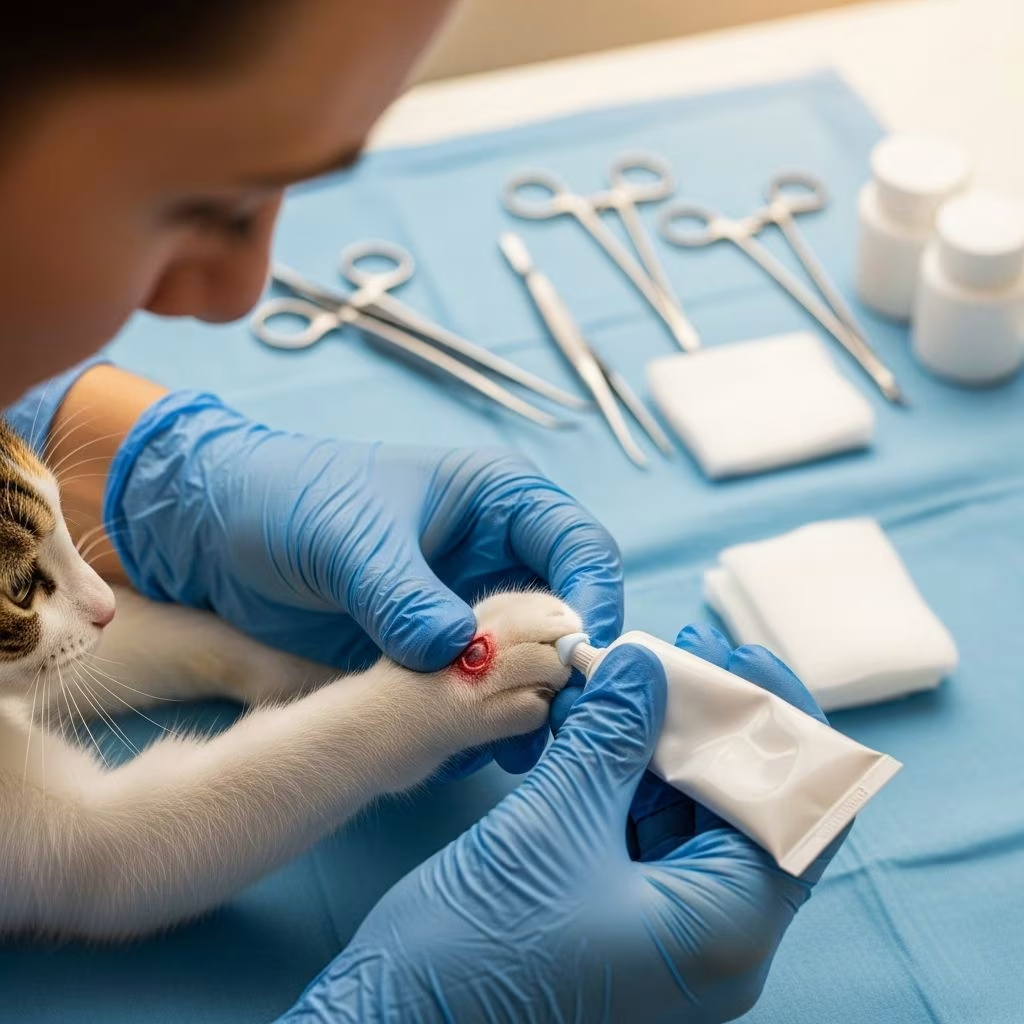
Pet Burns: A Comprehensive Guide to Treatment and Prevention
Burns are among the most distressing injuries a pet can suffer, and they require immediate attention and proper care to prevent complications. Whether caused by heat, chemicals, or other sources, understanding how to respond to a pet burn can make the difference between a quick recovery and long-term damage. This guide provides essential information on treating pet burns effectively and implementing prevention strategies to keep your beloved companions safe.
Understanding Pet Burns
Pet burns occur when tissue is damaged by heat, chemicals, electricity, or radiation. Burns are classified by severity levels, with first-degree burns affecting only the outer layer of skin, second-degree burns penetrating deeper layers, and third-degree burns causing full-thickness damage. The location and extent of the burn determine how serious the injury is and what level of care is required.
Common sources of pet burns include kitchen accidents, fireplaces, hot surfaces, lit candles, chemicals, and outdoor hazards. Recognizing the severity of a burn and responding appropriately can prevent infection, reduce pain, and promote faster healing.
Immediate First Aid for Pet Burns
Step 1: Remove Your Pet From the Source
The first and most critical step is to safely remove your pet from the source of the burn. This may involve taking them away from a flame, hot surface, or spilled chemical. Ensure your own safety by using gloves or a towel if handling your pet risks injuring yourself. Stay calm and act quickly—every second counts in a burn emergency.
Step 2: Cool the Burn Properly
Cooling the burn is essential to stop tissue damage and reduce pain and inflammation. Run cool, but not cold, tap water over the affected area for 10 to 20 minutes. This helps dissipate heat that continues to damage tissue even after the heat source is removed. If your pet has sustained extensive burns, use a shower or hose to cool them all over.
Important: Never use ice or ice-cold water, as this can restrict blood flow, cause hypothermia, and worsen the injury. Similarly, avoid using ice packs directly on the burn. Cool water is the appropriate choice for initial treatment.
Step 3: Dry and Assess the Wound
After cooling the burn, gently pat the area dry with a clean cloth or kitchen roll. Carefully examine the burn for visible signs of damage, such as redness, blistering, or charring. Avoid touching any blisters or open wounds, as this can introduce bacteria and increase the risk of infection. If the burn appears severe or covers a large area, do not delay seeking veterinary care.
Step 4: Protect the Wound
Cover the burn with a sterile, non-adherent dressing to protect it from contamination and further injury. Cling film (plastic wrap) makes an excellent first-aid covering because it seals moisture onto the wound without adhering to the injury itself. Alternatively, use a breathable, non-stick bandage. Avoid wrapping the bandage too tightly, as this can restrict circulation and worsen swelling.
Step 5: Keep Your Pet Calm and Comfortable
Stress can aggravate the burn, so speak to your pet in a soothing voice and minimize movement. Offer water to keep them hydrated, but don’t force them to eat or drink if they’re in distress. Use an Elizabethan collar (e-collar) if necessary to prevent your pet from licking or scratching the burn, which can introduce bacteria and delay healing.
Special Considerations for Chemical Burns
Chemical burns require different treatment than heat burns. Protect yourself by wearing gloves and avoid splashing your own skin when decontaminating your pet. Ensure your pet cannot groom the contaminated area, as ingesting the chemical can cause internal burns and toxicity.
Check the chemical’s manufacturer label for specific decontamination instructions. If no information is available, flush the area with copious quantities of running water, similar to treating heat burns. Contact a veterinarian immediately and provide full details about the chemical involved, as treatment varies depending on the substance.
What NOT to Do When Treating Pet Burns
As important as knowing what to do is understanding what to avoid when treating pet burns:
- Never apply butter, oils, or fats: These trap heat and delay healing, potentially making the burn worse.
- Avoid human creams and ointments: Products like petroleum jelly, certain antibacterial creams, and some home remedies can be toxic if licked by your pet or can impede healing.
- Don’t burst blisters: Breaking blisters increases the risk of infection developing.
- Avoid wrapping bandages tightly: This restricts blood flow and can worsen swelling and pain.
- Never use ice or ice water: These can damage already-sensitive tissues and potentially cause hypothermia.
- Don’t apply unapproved treatments: Essential oils, tea tree oil, and other unverified remedies can be harmful or toxic to pets.
Professional Wound Care and Treatment
After administering first aid, seek veterinary care as soon as possible, especially for burns covering a large area or showing signs of severity. Veterinarians can properly assess burn depth, prevent infection, and manage pain.
Keeping the Wound Moist
For burn wounds, keeping the tissue moist promotes faster healing and reduces scarring. Your veterinarian may recommend pet-safe products such as aloe vera gel, hydrogels, silver sulfide creams, or medical-grade manuka honey for its antibacterial properties. Never apply any topical treatments without consulting your veterinarian first, as the appropriate treatment depends on the burn’s type and severity.
Managing Infection
Antibiotics are often necessary for second and third-degree burns to prevent infections. These may be administered orally, by injection, or applied topically as directed by your veterinarian. Always complete the full course of antibiotics as prescribed.
Protecting During Healing
Healing burn wounds are uncomfortable and itchy. Using a dog cone or medical pet shirt can prevent your pet from scratching or nibbling at the wound. If bandages are covering the burn, keep them dry and clean, and follow your veterinarian’s instructions for bandage changes.
Preventing Pet Burns
Kitchen Safety
The kitchen is a common source of pet burns. Keep your pet out of the kitchen when cooking to prevent them from being accidentally burned by hot pans, boiling water, or spitting oil. This also reduces the risk of you tripping over your pet while carrying hot food or cookware.
Heat Source Management
Implement several strategies to prevent burns from heat sources:
- Never leave your pet unsupervised around lit candles or fireplaces.
- Use fireguards to prevent your dog from getting too close to fires, stoves, and other high-temperature heat sources.
- Never allow your pet to lie directly on your heating pad.
- Always check for a resting pet before turning on the clothes dryer.
Chemical Safety
Store all chemicals out of your pet’s reach, and keep them in a separate area when you are cleaning or using chemicals. This includes household cleaners, pesticides, antifreeze, and other potentially toxic substances that could cause chemical burns.
Outdoor and Paw Protection
Pavement and outdoor surfaces can become extremely hot during summer months. Take your pet for walks during cooler parts of the day, such as early morning or late evening, and choose shaded routes or grassy areas when possible.
Consider using pet-safe paw balms or waxes to create a protective barrier on your pet’s paws and reduce the risk of severe burns. These products are especially useful during hot weather months.
Sunburn Prevention
Don’t forget about sunburn, which is a type of burn injury. Apply sunscreen to dogs with light, fine, or minimal hair, such as Bull Terriers, Chinese Cresteds, and Whippets. Use pet-safe sunscreen products and reapply as needed, especially after swimming or playing outdoors.
Home Safety Measures
Install monitored smoke and carbon monoxide detectors in your home to ensure a quick response in case of fire or chemical exposure. These devices can provide early warning and allow you to evacuate safely with your pets.
Caring for Your Pet After a Burn Injury
Recovery from a burn requires ongoing care and attention. Keep the wound clean and follow all veterinary instructions regarding bandage changes and topical treatments. Monitor the wound for signs of infection, such as increased swelling, discharge, or odor, and contact your veterinarian immediately if these develop.
Avoid contact between your pet’s waste and the healing wound, as bacteria can cause serious infections. Keep your pet’s environment clean and ensure they have a comfortable, quiet space for recovery.
During healing, maintain adequate nutrition and hydration to support tissue repair. Your veterinarian may recommend specific dietary adjustments or supplements to promote healing.
Frequently Asked Questions
Q: How long does it take for a pet burn to heal?
A: Healing time depends on the burn’s severity. Minor burns may heal in one to two weeks, while more severe burns can take several weeks or months. First-degree burns typically heal faster than second or third-degree burns, which may result in permanent scarring.
Q: Can I treat my pet’s burn at home?
A: Minor first-degree burns can sometimes be managed at home with proper first aid and veterinary guidance. However, most burns benefit from professional veterinary care, especially second and third-degree burns. Always consult your veterinarian to determine the appropriate level of care.
Q: What should I do if my pet gets a chemical burn?
A: Remove your pet from the chemical source, rinse with cool water following manufacturer instructions if available, and contact your veterinarian immediately. Provide full details about the chemical involved, as treatment varies by substance.
Q: How can I prevent my pet from licking their burn?
A: Use an Elizabethan collar (e-collar) to prevent your pet from licking or scratching the wound. A medical pet shirt can also help protect the area. Keeping your pet calm and providing appropriate pain management can reduce the urge to lick.
Q: Are certain pets more prone to burns?
A: Pets with light-colored or minimal fur are more susceptible to sunburns. Curious kittens and puppies may also be at higher risk due to their tendency to explore unfamiliar objects and environments.
Q: What products are safe to apply to pet burns?
A: Only use products recommended by your veterinarian, such as aloe vera gel, hydrogels, or medical-grade manuka honey. Never apply human products, essential oils, or unverified home remedies without professional guidance.
References
- How to: first aid for pet burns — Vets Now. 2024. https://www.vets-now.com/pet-care-advice/how-to-first-aid-for-pet-burns/
- Understanding and Treating Burns on Your Pet — Animal Emergency Care. 2024. https://animalemergencycare.net/aecprevents/understanding-and-treating-burns-on-your-pet/
- The Guide to Immediate Care for Burns in Pets — HICC Pet. 2024. https://hiccpet.com/blogs/dogs/the-guide-to-immediate-care-for-burns-in-pets
- Caring for Dog Burns: Everything You Need to Know — American Kennel Club. 2024. https://www.akc.org/expert-advice/health/dog-burns/
- Protecting Your Pet’s Paws: A Guide to Preventing and Handling Burns — Animal ER Volusia. 2024. https://animalervolusia.com/blog/preventing-and-handling-burned-paws/
- Burns in Dogs — VCA Animal Hospitals. 2024. https://vcahospitals.com/know-your-pet/burns-in-dogs
- What to Know About Healing Safely with Your Furry Family Members — Phoenix Society. 2024. https://www.phoenix-society.org/resources/faq-pets-at-home-after-burn-injury



