

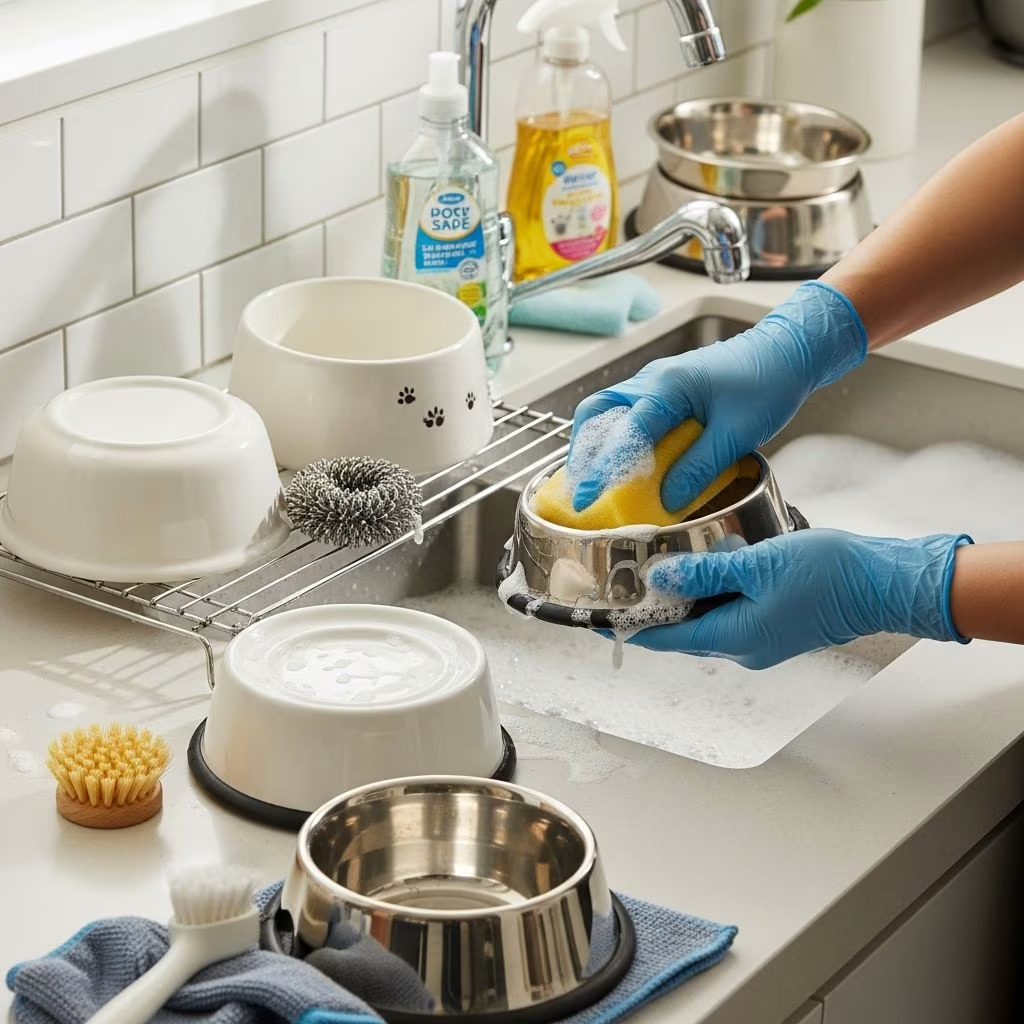
Keeping your pet’s food and water bowls spotless is a fundamental aspect of responsible pet ownership. Regular cleaning prevents bacterial buildup, ensures fresh hydration, and promotes overall well-being for dogs, cats, and other companions. This guide explores optimal cleaning frequencies, proven techniques, potential hazards, and practical strategies tailored to different feeding setups.
Why Bowl Hygiene Matters for Pet Health
Pet bowls encounter saliva, food particles, and moisture daily, creating ideal conditions for microbial proliferation. Bacteria such as Salmonella and E. coli thrive in these environments, potentially leading to infections that affect not just pets but household members too. Studies reveal that unclean bowls rank among the germiest kitchen items, underscoring the need for diligent maintenance.
Besides pathogens, neglected bowls foster biofilm—a sticky microbial layer akin to dental plaque—that resists casual rinsing. This residue can cause gastrointestinal upset, allergies, or worse in vulnerable pets like puppies, seniors, or those with compromised immunity.
Recommended Cleaning Schedules by Bowl Type
Different bowls demand specific routines based on their contents and usage. Consistency in these practices minimizes health risks while fitting into busy lifestyles.
- Dry Food Bowls: Rinse and wash daily to remove kibble remnants and saliva. Dishwasher-safe options streamline the process.
- Wet or Raw Food Bowls: Clean immediately post-meal. Moist residues accelerate bacterial growth exponentially within hours.
- Water Bowls: Refresh and scrub daily. Stagnant water breeds algae and slime, compromising hydration quality.
- Water Fountains: Disassemble and deep-clean weekly, replacing filters per manufacturer guidelines. Daily checks prevent overflow-related messes.
Surveys indicate variability in owner habits: only about 36% clean dog bowls after every meal, with cat owners often less frequent due to ad libitum feeding. Aim for the higher standard to protect your pet.
Step-by-Step Cleaning Methods
Effective cleaning combines heat, soap, and thoroughness. Choose pet-safe products to avoid chemical ingestion risks.
Handwashing Protocol
- Empty remnants into trash or compost (avoid sinks for raw food to prevent cross-contamination).
- Scrub with hot water and mild, fragrance-free soap like Castile. Target crevices with a dedicated brush.
- Rinse copiously under running water.
- Disinfect weekly: Soak in a 1:10 bleach-water solution for 10 minutes, then rinse multiple times.
- Air-dry upside down on a rack.
Dishwasher Use
Opt for high-heat cycles on dishwasher-safe bowls. Rotate multiple sets to maintain supply during cycles. This method kills 99% of bacteria when temperatures exceed 140°F. Avoid mixing with human dishes if feeding raw diets, per FDA guidelines.
| Method | Pros | Cons | Best For |
|---|---|---|---|
| Handwashing | Immediate, customizable, no equipment needed | Time-intensive, potential for human error | Delicate or non-dishwasher bowls |
| Dishwasher | Deep sanitization, convenient for multiples | Requires safe materials, energy use | Ceramic/metal bowls, high-volume households |
Material Selection for Easy Maintenance
Bowl choice impacts cleaning efficacy. Inspect routinely for cracks, which harbor germs.
- Stainless Steel: Durable, non-porous, dishwasher-friendly. Top vet recommendation.
- Ceramic: Stylish but prone to chips; ensure lead-free glaze.
- Plastic: Affordable yet scratches easily, promoting biofilm. Upgrade if worn.
- Glass: Cleanable but fragile; suitable for stationary use.
Replace damaged items promptly. Elevated or slow-feed designs aid digestion but require equal hygiene vigilance.
Health Risks from Poor Maintenance
Infrequent cleaning correlates with elevated bacterial loads. A study of 96 dog bowls found high counts of mesophilic aerobes and Enterobacteriaceae, even among frequently cleaned ones. Pathogens like Campylobacter and verotoxigenic E. coli pose zoonotic threats.
Symptoms in pets include vomiting, diarrhea, lethargy, and skin issues. Humans risk similar via shared surfaces. Free-feeding exacerbates problems by delaying washes. NSF research ranks pet bowls fourth germiest household spot, ahead of sponges.
Tailoring Routines for Specific Pets
Adjust based on diet, age, and health.
- Puppies/Kittens: More frequent due to developing immunity; twice daily minimum.
- Seniors/Immunocompromised: Daily deep cleans; vet-monitored for allergies.
- Raw-Fed Pets: Post-meal sanitization essential; follow FDA handwashing protocols.
- Cats (Ad Libitum): Monitor intake; clean when half-empty to curb overgrowth.
Consult vets for personalized plans, especially post-illness.
Building a Sustainable Cleaning Habit
Link cleaning to routines like dinner prep or bedtime. Use reminders or multi-bowl rotations. Track via apps for consistency.
Proactive signs: Slimy films, odors, discoloration, or pet disinterest in food/water warrant immediate action.
Frequently Asked Questions
How often should I truly clean my pet’s bowls?
Food bowls after every meal; water bowls daily. Fountains weekly with filter swaps.
Can I wash pet bowls with my dishes?
Yes, on high-heat if safe, but separate raw-fed ones to avoid cross-contamination.
What if my pet has allergies?
Increase frequency and use hypoallergenic soaps; vet guidance advised.
Is vinegar a safe disinfectant?
Effective for mild cases but pair with soap; not as potent as bleach for pathogens.
Do elevated bowls need different care?
Same frequency; disassemble for full access to undersides.
Advanced Tips for Optimal Hygiene
Incorporate baking soda pastes for stuck-on grime or enzymatic cleaners for protein residues. Store dry bowls in ventilated areas. Annual vet checks can reveal subclinical issues tied to hygiene.
References
- How Often You Should Clean Your Pet’s Food and Water Bowl — Blvd Vet. 2023. https://www.blvd.vet/blog/how-often-you-should-clean-your-pets-food-and-water-bowl
- A Clean Bowl a Day Keeps the Vet Away — Volhard Dog Nutrition. 2023. https://www.volharddognutrition.com/how-to-clean-dog-food-bowl
- How often should I clean my dog’s food & water bowl? — Dogtopia. 2023. https://www.dogtopia.com/meet-the-experts/faq/how-often-should-i-clean-my-dogs-food-water-bowl/
- Pet feeding habits and the microbiological contamination of dog bowls — PMC (NCBI). 2023-11-29. https://pmc.ncbi.nlm.nih.gov/articles/PMC10701922/
- How Often Should You Wash Dog Bowls for Food and Water? — American Kennel Club. 2023. https://www.akc.org/expert-advice/health/wash-dog-bowl/



