
Pet Blood Donation: Save Lives
Discover how your healthy dog or cat can become a hero by donating blood to help save other pets in critical condition.
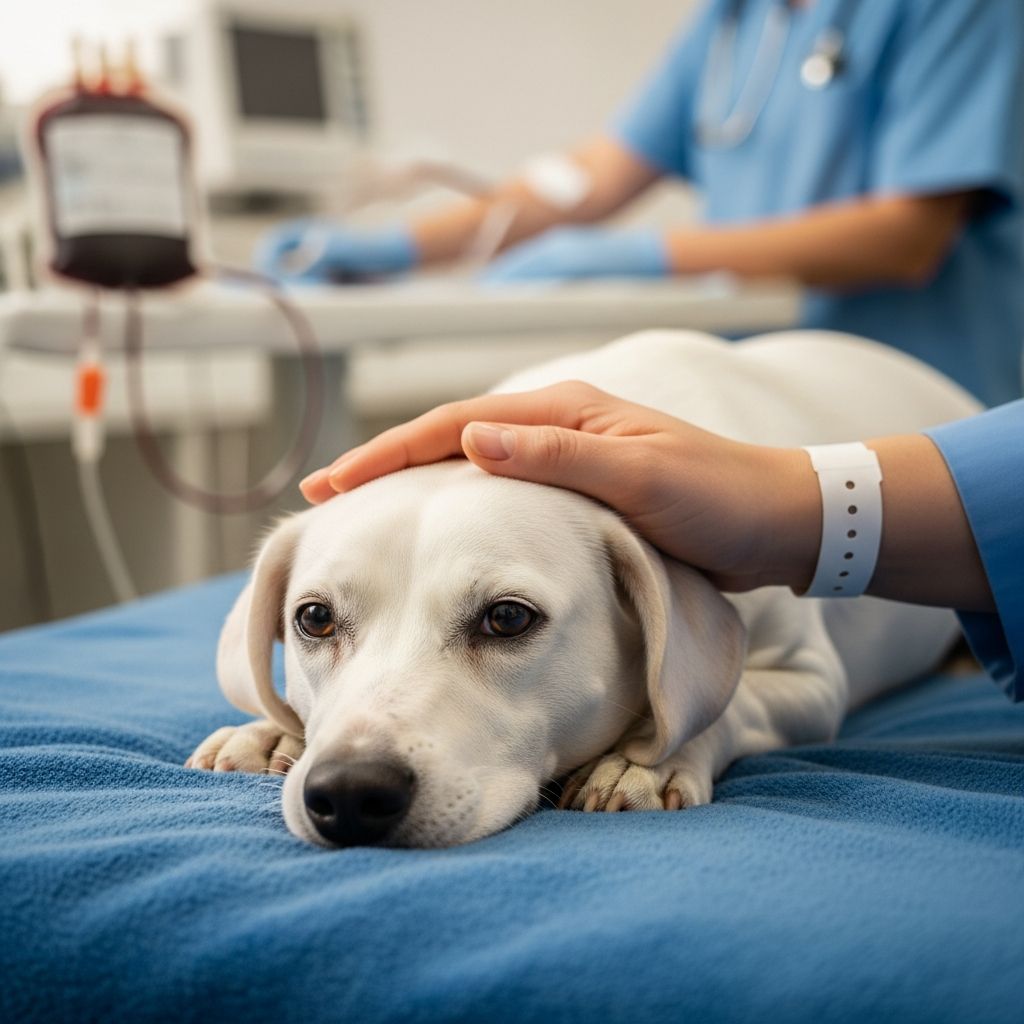
Your beloved dog or cat could play a crucial role in emergency veterinary care by becoming a blood donor. Pet blood donation programs across veterinary hospitals allow healthy animals to provide life-saving blood to those in need, such as pets suffering from trauma, severe anemia, or surgical complications. This guide explains everything from eligibility to the donation experience, empowering you to consider this noble contribution.
Why Pet Blood Donation Matters
Blood transfusions are essential in veterinary medicine, mirroring human practices but tailored to animals. Dogs and cats facing accidents, poisonings, or chronic illnesses often require immediate blood to survive. Unlike humans, pets lack a centralized blood bank network, making volunteer donors from local communities indispensable. Veterinary facilities maintain small blood banks, but demand frequently outstrips supply, especially for rare blood types.
Participation in these programs not only aids other animals but also ensures your pet receives top-tier health monitoring. Donors undergo rigorous screenings, benefiting from free check-ups and early disease detection.
Eligibility Criteria for Dogs
Not every dog qualifies, but many healthy ones do. Programs prioritize animals that can safely donate without health risks. Key requirements include:
- Age: Typically 1-8 years old to ensure maturity and vitality.
- Weight: Minimum 50 pounds (about 23 kg) for adequate blood volume; some programs accept 25 kg but prefer larger dogs.
- Health Status: Excellent overall condition, no chronic diseases, and never received a prior transfusion to avoid sensitization.
- Vaccinations and Preventatives: Fully up-to-date on vaccines, heartworm, flea, and tick prevention.
- Temperament: Calm, friendly, and able to relax during the 5-10 minute procedure, often with owner present.
- Other: Spayed/neutered preferred, not on medications except standard preventatives.
These standards protect both donor and recipient. Programs like Purdue’s and Upstate Vet enforce them strictly.
Eligibility Criteria for Cats
Cats face similar but adjusted criteria due to their smaller size and sensitivity. Ideal feline donors meet:
- Age: 1-10 years, with many capping at 6 years.
- Weight: At least 10 pounds (4.5 kg) for safe blood collection.
- Lifestyle: Strictly indoor-only to minimize disease exposure; often must live with other indoor cats.
- Health and History: No prior transfusions, current on vaccines and preventatives, no medications.
Cats’ donations require sedation, so programs select stress-tolerant individuals.
The Screening Process Step-by-Step
Entering a program starts with screening, often free and spanning 1-2 visits. Here’s a typical timeline:
- Initial Contact: Submit a form or call; staff reviews basic eligibility.
- First Appointment (30-60 minutes): Physical exam, blood draw for typing (dogs have DEA types; cats have A, B, AB), infectious disease screening (e.g., heartworm, retroviruses).
- Results Review: If clear and blood type needed (universal donors preferred), proceed.
- Second Appointment (1-2 hours): Full bloodwork (CBC, chemistry), clotting tests, contract review.
Facilities like UW Veterinary Care and MSU cover screening costs, adding your pet to the donor list if approved. Annual rechecks maintain status.
What Happens During a Donation
| Aspect | Dogs | Cats |
|---|---|---|
| Duration | 30 minutes total (10 min draw) | Up to 4 hours (drop-off) |
| Sedation | Rarely; mild if excitable | Short-acting anesthetic standard |
| Procedure | Neck shave, jugular draw, fluids/treats | Sedation, draw, monitored recovery |
| Frequency | Every 6-8 weeks | Similar, based on need |
For dogs, staff use positive reinforcement; pets lie comfortably while 250-450 mL is collected. Cats receive anesthesia for 25-30 minutes, ensuring calm. Post-donation, pets get cuddles, fluids, and perks like treats or credits.
Rewards and Commitment for Donors
Programs incentivize participation:
- Free annual exams and bloodwork.
- Per-donation perks: $40 credits, food bags, toys.
- Health benefits: Early issue detection.
Owners commit to 3+ donations yearly, with notice for scheduling. Heartworm checks and vaccines remain owner responsibility.
Risks and Safety Measures
Donations are low-risk for healthy pets. Veterinary teams monitor vitals, provide fluids to prevent dehydration, and ensure quick recovery. Rare issues like bruising are managed. Sedation risks for cats are minimized with experienced staff. Donors recover fully within hours, often enjoying the visits.
Finding a Program Near You
Search veterinary teaching hospitals, emergency clinics, or specialty centers. Examples include Purdue, MSU, and UW programs. Contact via phone or online forms. The AKC Canine Health Foundation lists options at avhtm.org. Availability varies by blood type needs.
Common Myths Debunked
- Myth: Donation hurts pets. Fact: Quick and treat-filled.
- Myth: Only certain breeds qualify. Fact: Health matters most.
- Myth: It’s expensive. Fact: Free screening and perks.
Frequently Asked Questions
Is screening free?
Yes, most programs cover initial costs.
How often can my pet donate?
Every 6-8 weeks, up to 4-6 times yearly.
Does my pet get paid?
Perks like credits and free care, yes.
Can puppies or seniors donate?
No, age limits are 1-8 years typically.
What if my pet’s blood type is rare?
Even non-universal types are valued.
Impact Stories and Statistics
One unit saves multiple lives; programs report hundreds of transfusions yearly. Donor pets have helped trauma cases and cancer patients. Your participation could be the difference in an emergency.
Consider this lifesaving step—healthy pets thrive as donors, gaining health perks while aiding others.
References
- Blood Donor Program – College of Veterinary Medicine — Purdue University. Accessed 2026. https://vet.purdue.edu/hospital/small-animal/blood-donor-program/index.php
- Blood Bank: Become a Donor — Upstate Vet. Accessed 2026. https://www.upstatevet.com/blood-bank
- Everything You Need To Know About Canine Blood Donation — Animal Emergency Service. Accessed 2026. https://animalemergencyservice.com.au/blog/canine-blood-donation-questions/
- Become a Pet Blood Donor and Save Lives — TVES Vet. Accessed 2026. https://tves.vet/become-a-pet-blood-donor/
- Animal Blood Bank — UW Veterinary Care. Accessed 2026. https://uwveterinarycare.wisc.edu/360-support/blood-bank/
- Become a Canine Donor — Michigan State University College of Veterinary Medicine. Accessed 2026. https://cvm.msu.edu/hospital/services/blood-donor-program/become-a-canine-donor
- Blood Donor Program — Northeast Indiana Veterinary Emergency. Accessed 2026. https://www.nives24h.com/blood-donor-hero
- Canine Blood Donation — AKC Canine Health Foundation. Accessed 2026. https://www.akcchf.org/disease-history/canine-blood-donation/
Similar Articles








Read full bio of medha deb


