

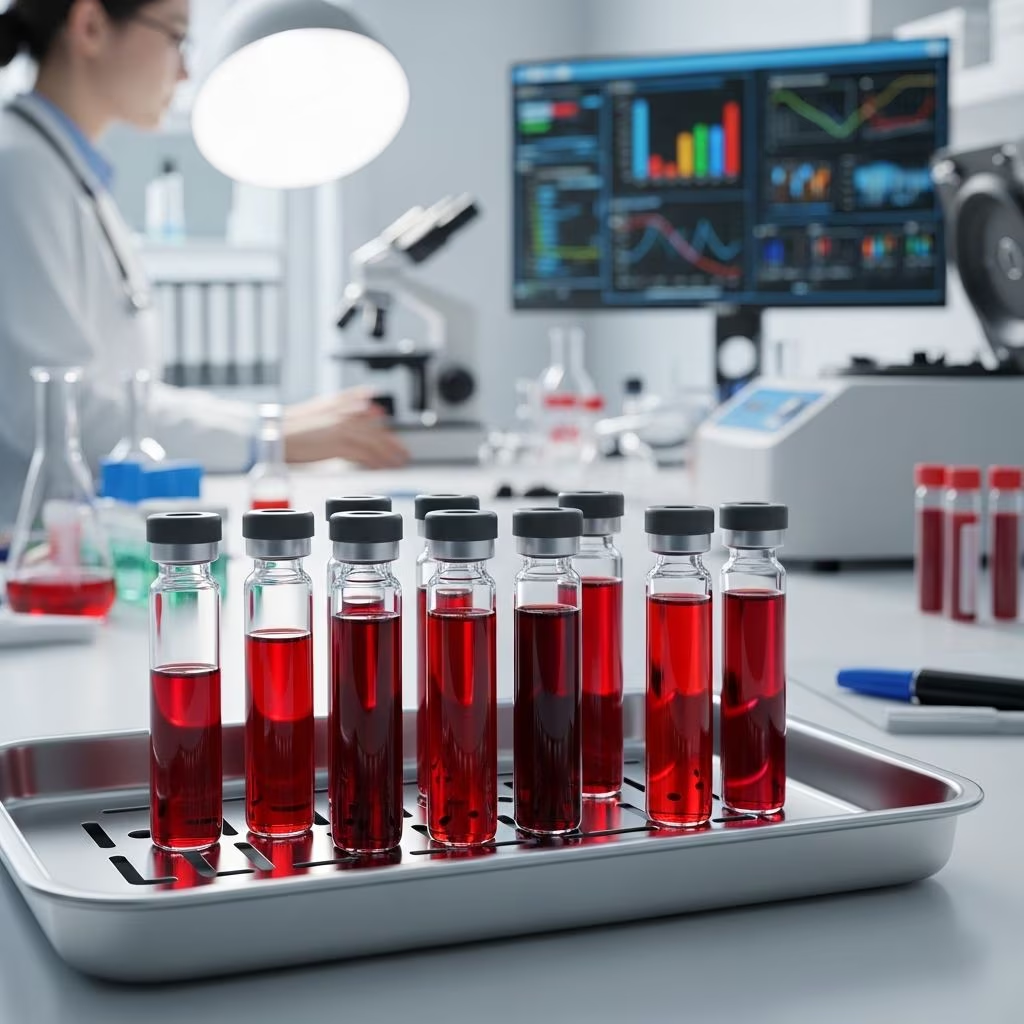
Blood chemistry panels provide veterinarians with critical data on a pet’s organ function, electrolyte balance, and metabolic health. These tests analyze enzymes, proteins, and other blood components to identify issues early, supporting preventive care and timely interventions for dogs, cats, and other animals.
Why Blood Chemistry Testing Matters for Pets
Routine blood chemistry evaluations form the cornerstone of modern veterinary diagnostics. They offer a non-invasive window into internal organ performance, revealing imbalances before symptoms appear. For instance, during annual wellness checks, pre-anesthesia screenings, or illness investigations, these panels help detect conditions like diabetes, kidney disease, or liver dysfunction.
Veterinarians often pair chemistry panels with complete blood counts (CBC) for a fuller health profile. While CBC focuses on blood cells, chemistry tests target biochemical markers, enabling comprehensive assessments. This duo is vital for monitoring chronic illnesses, medication effects, and overall vitality in aging pets.
Core Components of a Pet Blood Chemistry Panel
A standard chemistry panel, sometimes called a chem 10, 17, or 25 depending on scope, measures multiple parameters. Here’s a breakdown of key categories:
- Kidney Function Markers: Blood urea nitrogen (BUN) and creatinine indicate waste filtration efficiency. Elevated levels signal dehydration, renal failure, or urinary blockages.
- Liver Enzymes: Alanine aminotransferase (ALT), aspartate aminotransferase (AST), alkaline phosphatase (ALP), and gamma-glutamyl transferase (GGT) reflect liver cell integrity and bile flow. Increases may point to hepatitis, toxins, or Cushing’s disease.
- Proteins and Globulins: Total protein (TP) and albumin assess nutritional status, hydration, and inflammation. Low albumin can indicate liver synthesis issues or protein-losing conditions.
- Electrolytes: Sodium (Na), potassium (K), chloride (Cl), and calcium maintain nerve signals, muscle contractions, and pH balance. Imbalances often stem from vomiting, diarrhea, or endocrine disorders.
- Pancreatic and Glucose Levels: Glucose monitors diabetes or hypoglycemia, while amylase and lipase detect pancreatitis.
These measurements vary by panel size; comprehensive ones include phosphorus for bone/kidney health and cholesterol for metabolic insights.
Interpreting Common Abnormalities
Understanding results requires veterinary expertise, as values must align with clinical signs and history. For example:
| Marker | High Levels Indicate | Low Levels Indicate |
|---|---|---|
| BUN/Creatinine | Kidney disease, dehydration | Liver failure, malnutrition |
| ALT/AST | Liver damage, muscle injury | Rare; often normal range |
| ALP | Bile duct issues, steroids, growth | Nutritional deficiency |
| Glucose | Diabetes, stress | Hypoglycemia, sepsis |
| Potassium (K) | Kidney failure, Addison’s | Diarrhea, diuretics |
Reference ranges differ by species, age, and lab, so always consult your vet for personalized analysis.
Liver Health Assessment in Detail
The liver processes nutrients, detoxifies blood, and produces proteins. Enzymes like ALT are highly specific to liver cells; elevations suggest direct damage from infections, medications, or toxins. AST appears in liver and muscle, offering broader clues. ALP and GGT rise with bile stasis or steroid influence, common in older pets or those on long-term treatments.
Bilirubin (TBILI) measures red blood cell breakdown; jaundice signals excess. Combined, these guide biopsies or ultrasounds if needed, preventing progression to cirrhosis.
Kidney Function: Early Detection Saves Lives
Chronic kidney disease affects up to 10% of senior cats and dogs, often silently. BUN rises with reduced filtration, but creatinine is more reliable as it’s less diet-influenced. Symmetric dimethylarginine (SDMA), an emerging marker, detects changes earlier than traditional tests.
Phosphorus accumulation worsens outcomes, prompting dietary or phosphate binder interventions. Regular panels track progression, adjusting therapies like fluids or ACE inhibitors.
Electrolyte Balance and Its Role
Electrolytes orchestrate heart rhythm, hydration, and acid-base equilibrium. Hyponatremia (low sodium) accompanies overhydration or Addison’s disease, while hyperkalemia threatens cardiac arrest in renal cases.
Calcium imbalances link to parathyroid issues or cancer; ionized calcium provides precise readings over total levels. These insights inform IV therapies during crises.
Pancreas, Thyroid, and Metabolic Panels
Glucose spikes confirm diabetes, paired with fructosamine for long-term control. Pancreatic enzymes flag acute inflammation, demanding hospitalization.
Thyroxine (T4) screens hypothyroidism, prevalent in breeds like Golden Retrievers. Low values prompt full panels including free T4 and TSH for accuracy.
When to Request Chemistry Panels
- Annual wellness for seniors (7+ years).
- Pre-surgical clearance.
- Symptoms: lethargy, vomiting, weight loss.
- Chronic monitoring: heartworm, epilepsy meds.
- Breed predispositions: e.g., Labs for copper storage liver disease.
Costs range $50–$200, often bundled with CBC. In-house analyzers yield fast results; reference labs offer deeper profiling.
Integrating with Other Diagnostics
Chemistry panels complement CBC (anemia, infection), urinalysis (UTI, protein loss), and imaging. For example, dilute urine plus high BUN confirms kidney disease. Trends over time predict outcomes better than snapshots.
FAQs on Pet Blood Chemistry Tests
What if my pet’s results are slightly off?
Minor deviations may reflect recent meals or stress; retest confirms. Vets correlate with history.
Are fasting required?
Often yes for glucose/lipids; follow vet instructions.
How often for healthy pets?
Yearly post-7 years; biannual for risks.
Dogs vs. Cats differences?
Cats have higher ALP naturally; species-specific ranges apply.
Can diet affect results?
Yes—high-protein meals elevate BUN; fast as advised.
Advancing Pet Care Through Testing
Empowered by chemistry panels, owners partner with vets for tailored wellness. Early anomalies enable lifestyle tweaks, meds, or diets, extending quality life. Discuss panels at next visit for proactive health.
References
- Understanding Lab Tests: CBC, Blood Chemistry, and Urinalysis — Atlantic Veterinary Internal Medicine & Oncology. 2023. https://www.avim.us/understanding-lab-tests
- The ABCs of Dog Blood Work: What Those Results Really Mean — American Animal Hospital Association (AAHA). 2023. https://www.aaha.org/resources/the-abcs-of-dog-blood-work-what-those-results-really-mean/
- Understanding Blood Tests for Dogs — Crossroads Veterinary Hospital. 2024-03-23. https://www.crossroadsvets.com/site/blog/2024/03/23/understanding-blood-tests-dogs
- Understanding Blood Tests for Dogs — Animal Hospital Babcock Ranch. 2024-02-15. https://www.animalhospitalbabcockranch.com/site/blog/2024/02/15/blood-tests-dogs
- Understanding Blood Tests for Dogs — Setauketa Animal Hospital. 2024-02-15. https://www.setauketanimalhospital.com/site/blog/2024/02/15/blood-tests-dogs
- Understanding Your Pet’s Diagnostic Testing — Vet Clinic Mission (PDF). 2017-12. https://vetclinicmission.com/wp-content/uploads/2017/12/Understanding-Your-Pets-Diagnostic-Testing.pdf
- Understanding Blood Tests for Dogs — Spanish Trail Veterinary. 2023-05-15. https://www.spanishtrailvet.com/site/blog/2023/05/15/understanding-blood-tests-for-dogs



