
Pet Bird Tumors: Signs, Diagnosis, And Treatment Guide
Essential guide to recognizing, diagnosing, and treating tumors in companion birds for better outcomes.
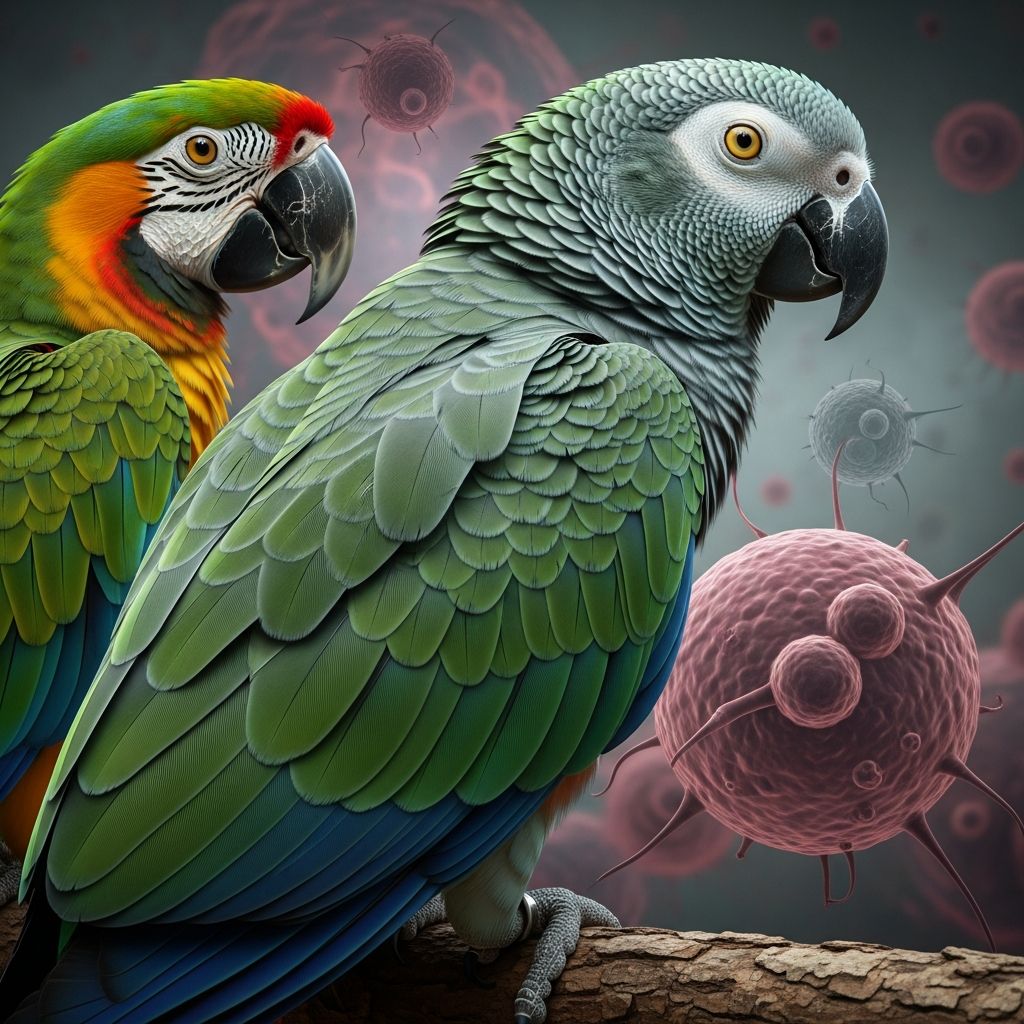
Companion birds face various neoplastic conditions that can impact their vitality and longevity. Understanding these growths, from harmless fatty masses to aggressive malignancies, empowers owners to seek timely veterinary intervention. Early detection often leads to more effective management strategies, potentially extending life and enhancing comfort.
Understanding Neoplastic Growths in Avians
Neoplasms in pet birds encompass both benign and malignant proliferations of abnormal cells. Benign tumors, such as lipomas, grow slowly without spreading, while malignant cancers like carcinomas and sarcomas invade nearby tissues and may metastasize. Factors including genetics, viral infections, environmental exposures, and nutritional deficiencies contribute to their development. Species like budgerigars, cockatiels, and Amazon parrots appear particularly susceptible.
Pet birds often mask illness until advanced stages, making routine health checks crucial. Owners should monitor for subtle changes in behavior, feather quality, or body condition to catch issues early.
Common Benign Tumors in Companion Birds
- Lipomas: These soft, fatty lumps commonly form under the skin, especially in budgies. They feel movable and may enlarge over time but rarely cause harm unless obstructing movement.
- Xanthomas: Yellowish, lipid-rich growths linked to high cholesterol or vitamin A shortages. They frequently appear on wings, keel, or skin folds and can ulcerate if irritated.
- Papillomas: Wart-like lesions potentially triggered by viruses, occurring on skin or cloaca. Though typically non-cancerous, they may progress to malignancy.
Benign tumors generally respond well to excision if they impair function or aesthetics. Dietary adjustments, emphasizing balanced nutrition, aid prevention.
Malignant Cancers Prevalent in Pet Avians
Several aggressive cancers dominate avian oncology. Squamous cell carcinomas (SCCs) top the list for skin-based malignancies, favoring sun-exposed areas like beaks, eyes, toes, and wing tips. Chronic infections exacerbate their growth.
| Cancer Type | Common Sites | Key Features |
|---|---|---|
| Squamous Cell Carcinoma | Beak, eyes, toes, wings | Locally invasive; UV exposure risk factor |
| Lymphoma/Lymphosarcoma | Liver, spleen, kidneys, skin | Multicentric; most common internal cancer |
| Reproductive Tumors | Ovaries, testes, oviduct | Hormone-responsive; females often affected |
| Gastric Carcinoma | Stomach junction | Often fatal by diagnosis; causes perforation |
| Pituitary Adenoma | Brain/pituitary | Neurologic signs in small psittacines |
Internal tumors strike organs like kidneys, liver, pancreas, and intestines, often undetected until necropsy. Lymphoma affects multiple systems, leading to widespread dysfunction.
Recognizing Warning Signs of Tumors
Symptoms vary by tumor location but share common threads: weight loss, lethargy, reduced appetite, and abnormal droppings. Specific indicators include:
- Skin lesions: Ulcerated, reddened swellings or feather loss.
- Respiratory issues: Dyspnea from air sac compression or sinus tumors.
- Digestive problems: Regurgitation, crop distention, or diarrhea.
- Neurological deficits: Seizures, ataxia, blindness in pituitary cases.
- Behavioral shifts: Ceased vocalization in songbirds, coelomic swelling.
External lumps are easiest to spot; internal ones demand vigilance for systemic decline.
Diagnostic Approaches for Avian Neoplasia
Veterinarians employ a multi-modal strategy. Physical exams reveal palpable masses. Imaging—radiographs, CT scans, ultrasound—maps tumor extent and organ involvement. Fine-needle aspirates or biopsies provide cytological confirmation, distinguishing benign from malignant.
Bloodwork assesses organ function and detects leukemia markers. Endoscopy aids internal visualization. Early, precise diagnosis guides tailored therapy.
Surgical Interventions for Bird Tumors
Surgery remains the cornerstone for localized tumors. Complete excision offers cure potential for benign growths and debulking for malignancies. Challenges arise from birds’ small size and air sac anatomy, necessitating avian specialists.
Post-operative care involves pain management, antibiotics, and supportive fluids. Success rates soar with prompt action before metastasis.
Chemotherapy Protocols in Pet Birds
Birds tolerate chemo better than mammals, exhibiting fewer side effects despite variable tumor responses. Agents like carboplatin, cisplatin, doxorubicin, and vincristine target lymphomas and carcinomas. Protocols combine drugs with corticosteroids; premedication prevents anaphylaxis.
For reproductive cancers, GnRH agonists (leuprolide) suppress hormones effectively. Dosing requires oncology expertise due to limited avian data.
Radiation Therapy Options
Radiation shrinks inoperable SCCs and aids post-surgical control. Strontium-90 probes treat uropygial gland tumors; cobalt-60 or orthovoltage suits larger lesions. Avian cancers prove radiation-resistant, demanding combined modalities.
Emerging and Supportive Therapies
Hormonal implants manage ovarian neoplasms. Nutritional support combats cachexia; vitamin A-rich diets deter xanthomas. Palliative care prioritizes comfort via fluids, anti-inflammatories, and hand-feeding.
Research explores immunotherapy, though avian applications lag.
Species-Specific Vulnerabilities
- Budgerigars: Prone to pituitary adenomas, lipomas.
- Cockatiels: Lymphoma, reproductive tumors.
- Amazons/Cockatoos: SCCs, internal carcinomas.
- Canaries: Lymphoma halting song.
Genetic predispositions underscore breed-aware monitoring.
Prevention Strategies for Avian Owners
Minimize UV overexposure to curb SCCs. Provide vitamin-balanced pellets over seeds. Quarantine new birds to block viral triggers. Annual avian vet exams facilitate early detection.
Prognosis and Long-Term Management
Outcomes hinge on tumor type, stage, and intervention speed. Benign excisions yield excellent results; lymphomas respond sporadically to chemo. Holistic care sustains quality life amid chronic cases.
Frequently Asked Questions (FAQs)
Can all bird tumors be cured?
Many benign ones yes, via surgery. Malignant cases focus on control and palliation.
Is chemotherapy painful for birds?
Birds tolerate it well, with minimal nausea compared to mammals.
How do I check my bird for lumps?
Gently palpate body during handling; note changes in weight or droppings.
Does diet influence cancer risk?
Yes, vitamin A deficiency promotes xanthomas and weakens immunity.
When to see a vet for a bird lump?
Immediately—delays worsen prognosis.
References
- Neoplastic Diseases of Pet Birds — Merck Veterinary Manual. 2023. https://www.merckvetmanual.com/exotic-and-laboratory-animals/pet-birds/neoplastic-diseases-of-pet-birds
- Tumors in Birds: Types, Symptoms and Pictures — Chewy. 2023. https://www.chewy.com/education/bird/general/lumps-and-tumors-in-birds
- Cancers and Tumors of Pet Birds — Merck Veterinary Manual. 2023. https://www.merckvetmanual.com/bird-owners/disorders-and-diseases-of-birds/cancers-and-tumors-of-pet-birds
- Tumors in Birds — VCA Animal Hospitals. 2024. https://vcahospitals.com/know-your-pet/tumors-in-birds
- Cancers and Tumors in Birds — PetMD. 2023. https://www.petmd.com/bird/conditions/cancer/c_bd_Cancers_and_Tumors
Similar Articles








Read full bio of medha deb


