
Pet Bird Reproductive Issues: Essential Guide For Owners
Essential guide to identifying, preventing, and treating common reproductive problems in pet birds for healthier avian companions.
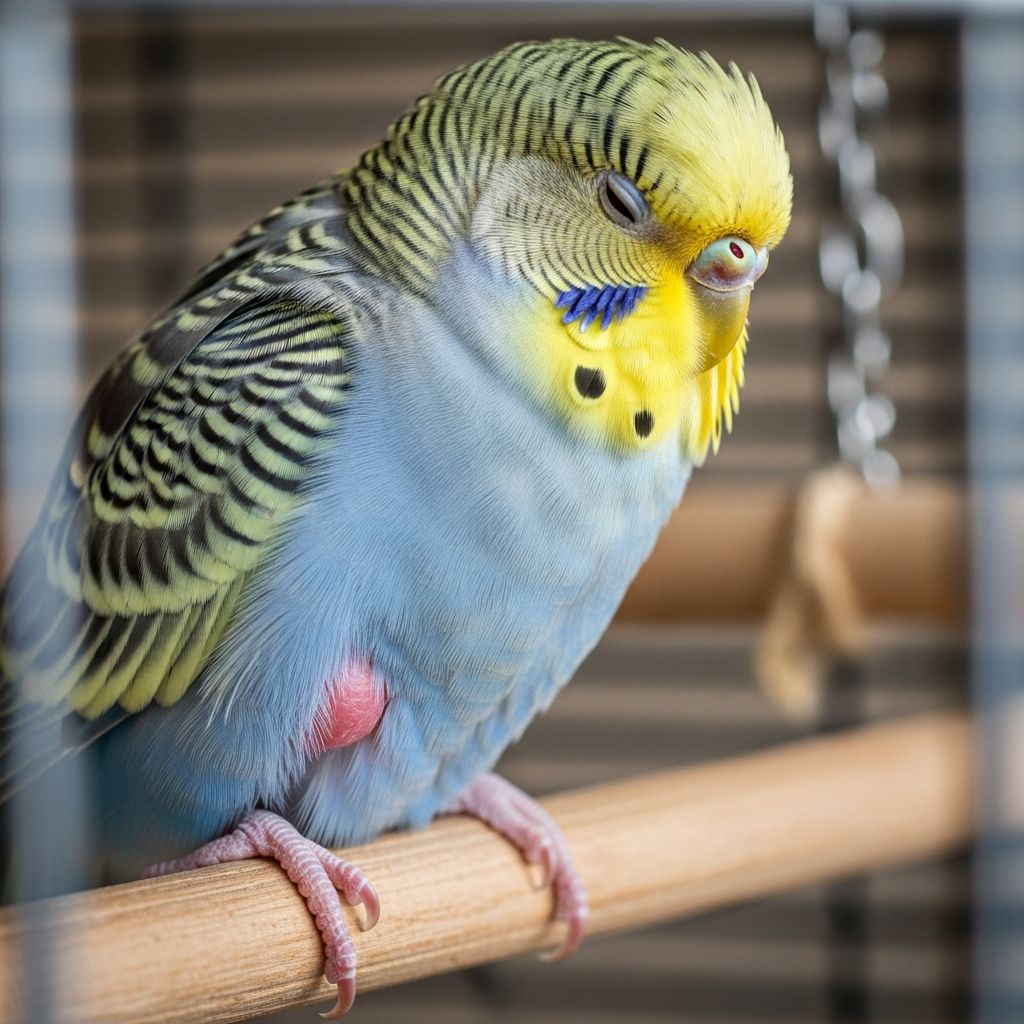
Reproductive challenges represent a significant health concern for many pet bird owners, particularly in species prone to overactive laying or anatomical vulnerabilities. Conditions such as egg binding, oviduct blockages, and yolk-related inflammations can rapidly escalate from subtle signs to life-threatening emergencies. Understanding these disorders enables timely intervention, potentially saving lives and improving quality of life for birds like budgerigars, cockatiels, lovebirds, and macaws.
Why Reproductive Problems Occur in Captive Birds
Pet birds often face unnatural environmental cues that trigger excessive reproductive activity. Long daylight hours from indoor lighting, abundant high-fat diets, and lack of natural breeding seasons mimic perpetual spring conditions, prompting hens to lay eggs repeatedly without mating or nesting opportunities. This chronic stimulation depletes calcium reserves, weakens muscles, and invites infections. Males may develop frustrations leading to behavioral issues, while both sexes risk tumors in reproductive organs, especially budgerigars. Genetic predispositions exacerbate risks in small parrots.
Common Symptoms Across Disorders
Early detection hinges on recognizing general indicators of distress, as birds mask illness until advanced stages. Owners should watch for:
- Fluffed feathers and lethargy, signaling energy conservation
- Swollen or distended abdomen, often on the left side due to oviduct location
- Reduced appetite, weight loss, and intermittent droppings changes
- Tail bobbing, wide stance, or reluctance to perch/move, indicating pain or breathing difficulty
- Cloacal discharge, straining, or prolapse
These signs overlap multiple conditions, necessitating veterinary evaluation with imaging and bloodwork.
Excessive Egg Production and Its Risks
Chronic egg laying exhausts birds, leading to malnutrition and secondary complications. Hens produce eggs without fertilization, often developing broody behavior—sitting obsessively in cage corners. Untreated, this progresses to hypocalcemia, causing weak bones and fractures. Species like cockatiels and budgerigars are highly susceptible, with hand-raised females bonding excessively to owners, mistaking petting for courtship. Management involves environmental tweaks: shorten light exposure to 8-10 hours daily, offer low-fat pellets over seeds, and provide hormone-suppressing drugs if needed.
Egg Binding: A Frequent Emergency
Dystocia, or egg binding, occurs when an egg fails to pass through the oviduct, commonly from nutritional deficits, oversized eggs, or prior infections. Affected birds appear critically ill: collapsed at cage bottom, labored breathing, and a hard abdominal mass. Not all eggs are palpable, so radiographs confirm presence and position. Stabilize with warmth, fluids, and calcium injections before gentle manipulation or surgery. Prognosis improves with prompt care, but recurrence demands addressing root causes like diet.
Oviduct Blockages and Impactions
When salpingitis—inflammation from bacteria like E. coli—infects the oviduct, it fills with mucus, yolk, or malformed eggs, creating inspissated blockages. Birds show abdominal swelling (left-sided), alternating diarrhea/constipation, and periodic weakness. Diagnosis requires endoscopy or surgery, as radiographs may miss soft contents. Treatment often involves salpingectomy (oviduct removal), a major procedure with good outcomes if infections are controlled via antibiotics. Cockatiels post-laying often present this way.
Yolk Peritonitis and Coelomitis
Free yolk in the body cavity from ruptured follicles or oviduct triggers severe inflammation, dubbed egg yolk peritonitis. Common in cockatiels, lovebirds, and budgies, it causes ascites (fluid buildup), dyspnea, and high white blood cell counts. Bacteria worsen it to septic peritonitis, leading to organ adhesions and death without aggressive therapy: fluids, antibiotics, and sometimes surgery to flush the cavity. Temporary diabetes or neurological signs like strokes occur in cockatiels from yolk emboli. Early detection via ultrasound is key.
Cystic Right Ovarian Disease
Though birds have only a functional left ovary, the right develops cysts in budgerigars and canaries, even years after last laying. Fluid-filled sacs cause abdominal distention, breathing issues, and ascites. Palpation reveals fluid, confirmed by imaging. These benign but space-occupying lesions rarely resolve medically; aspiration provides temporary relief, but surgery risks complications.
Neoplastic Growths in Reproductive Organs
Tumors strike ovaries, oviducts, and testes, especially budgie males and females. Symptoms mimic other issues: coelomic swelling, lameness (from nerve compression), lethargy, and ascites. Types include adenocarcinomas, granulosa cell tumors, and leiomyosarcomas; histopathology post-biopsy confirms. Radiographs show masses, but endoscopy aids visualization. Palliative care or oophorectomy offers management, though metastasis lowers prognosis. Secondary signs like cere color changes in budgies hint at hormonal tumors.
Cloacal Disorders and Prolapses
Cloacal prolapse emerges from straining during egg passage, chronic diarrhea, or papillomas—wart-like growths blocking semen/eggs. Prolapsed tissue dries, necroses, and obstructs feces, demanding immediate lubrication and replacement. Papillomas, possibly viral, contraindicate breeding; beta-carotene-rich diets aid some cases. Strictures or stones further impede function.
| Disorder | Common Species | Main Symptoms | Diagnostic Tools | Treatment Overview |
|---|---|---|---|---|
| Egg Binding | Cockatiels, Lovebirds | Collapse, tail bob, distended abdomen | Radiographs, Calcium levels | Supportive care, Manipulation/Surgery |
| Yolk Peritonitis | Cockatiels, Budgies | Ascites, Depression, Dyspnea | Ultrasound, Bloodwork | Antibiotics, Fluids, Surgery |
| Oviduct Impaction | Cockatiels | Left swelling, Anorexia, Diarrhea | Endoscopy | Salpingectomy |
| Neoplasia | Budgerigars | Weight loss, Lameness, Swelling | Biopsy, Radiographs | Surgery, Palliative |
Diagnostic Approaches for Avian Vets
Veterinarians start with history—laying patterns, diet, lighting—followed by physical exams. Blood tests assess calcium, proteins, and infection markers. Radiographs detect eggs/masses; ultrasound evaluates soft tissues/fluids. Endoscopy allows visualization and sampling, essential for sexing non-dimorphic birds and pinpointing issues. DNA sexing aids initial assessments.
Treatment Strategies: Medical and Surgical
Acute cases need hospitalization: subcutaneous fluids, warmth (85-90°F), and nutritional support via tube-feeding. Antibiotics target E. coli; calcium gluconate counters hypocalcemia. Surgical options include oviductectomy for impactions/prolapses and oophorectomy for cysts/neoplasia, with 70-90% success if uncomplicated. Post-op care emphasizes infection prevention and monitoring.
Preventive Measures for Bird Owners
Proactive steps reduce risks:
- Maintain 10-12 hour light cycles with full darkness nightly
- Feed balanced pellets (20% fat max), pellets over seeds; supplement calcium
- Avoid petting back/tail areas to prevent hormonal triggers
- Provide toys, foraging for mental stimulation over bonding
- Annual vet checkups with fecal exams and imaging for breeders
Hormonal implants like deslorelin suppress laying for 6-12 months in refractory cases.
Breeding Considerations and Failures
Birds failing to breed despite pairs may have subclinical issues like neoplasia or infections. Sexing confirms pairs; endoscopy reveals tract abnormalities. Papillomas disqualify birds from breeding. Successful pairs need species-appropriate nests, diet boosts, and health screens.
FAQs on Pet Bird Reproductive Health
What should I do if my bird is egg bound?
Keep her warm, offer shallow warm water soaks, and rush to an avian vet. Do not attempt home remedies like oil injections.
Can male birds get reproductive problems?
Yes, testicular tumors cause swelling and lameness, especially in budgerigars.
How do I stop chronic egg laying?
Reduce light, switch to low-fat diet, increase activity, and consult for medications.
Is surgery safe for pet birds?
Avian vets perform it routinely with high success, but requires experienced hands.
Why do budgerigars have so many reproductive tumors?
Genetic factors and chronic stimulation make them prone; early spaying prevents.
Long-Term Outlook and Monitoring
Many birds recover fully with intervention, resuming normal behaviors. However, survivors need lifelong monitoring for recurrences. Owners benefit from joining avian forums (supervised) and scheduling bi-annual exams. Early signs like subtle weight loss warrant checkups—prevention trumps cure in avian medicine.
References
- Your Overly Reproductive Female Bird — ExoticPetVet.com. Accessed 2026. http://www.exoticpetvet.com/your-overly-reproductive-female-bird.html
- Reproductive Diseases of Pet Birds — MSD Veterinary Manual (MSDvetmanual.com). Accessed 2026. https://www.msdvetmanual.com/exotic-and-laboratory-animals/pet-birds/reproductive-diseases-of-pet-birds
- Avian Reproductive Tract Disorders (Proceedings) — dvm360.com. Accessed 2026. https://www.dvm360.com/view/avian-reproductive-tract-disorders-proceedings
- Reproductive Disorders of Pet Birds — Merck Veterinary Manual. Accessed 2026. https://www.merckvetmanual.com/bird-owners/disorders-and-diseases-of-birds/reproductive-disorders-of-pet-birds
- Reproductive Emergencies in Birds — LafeberVet. Accessed 2026. https://lafeber.com/vet/reproductive-emergencies/
- Recognizing the Signs of Illness in Pet Birds — VCA Animal Hospitals. Accessed 2026. https://vcahospitals.com/know-your-pet/recognizing-the-signs-of-illness-in-pet-birds
Similar Articles








Read full bio of medha deb


