
Pet Bird Reproductive Disorders: Essential Guide For Owners
Essential guide to recognizing, preventing, and treating reproductive issues in pet birds for healthier flocks.
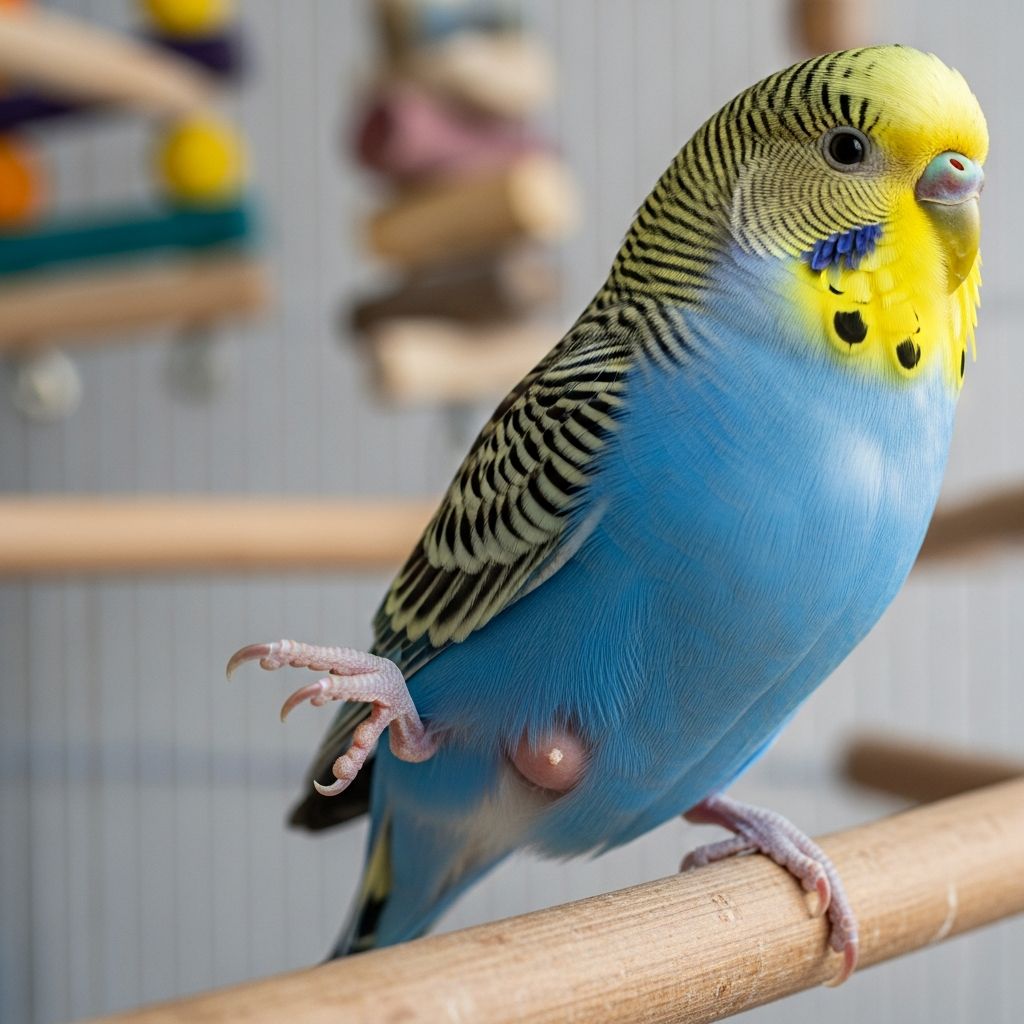
Pet birds, especially females, frequently encounter reproductive challenges that can severely impact their well-being. These issues arise from the unique anatomy of avian reproductive systems, where hormonal triggers and environmental cues often lead to excessive egg production or structural failures. Understanding these disorders is vital for owners to ensure timely veterinary intervention and long-term flock health.
Understanding Avian Reproductive Anatomy
The female bird’s reproductive tract primarily involves the left ovary and oviduct, a design that streamlines egg formation. The ovary, positioned near the kidney and lung, remains small in immature birds but enlarges dramatically during breeding seasons due to hormonal surges. Follicles develop in a hierarchical order, preventing simultaneous maturation, which supports steady egg laying.
The oviduct, a multifunctional tube, transforms yolks into complete eggs through its five segments: infundibulum, magnum, isthmus, uterus (shell gland), and vagina. Fertilization happens in the infundibulum, where sperm meets the ovum shortly after release. Albumen layers form in the magnum over several hours, shell membranes in the isthmus, and calcification in the uterus, with the entire process spanning about 24 hours in many species.
- Infundibulum: Captures ovum; site of fertilization and chalazae addition (1 hour).
- Magnum: Adds albumen and minerals (3 hours).
- Isthmus: Forms shell membranes (2 hours).
- Uterus: Shell formation and plumping (up to 20 hours).
- Vagina: Egg expulsion via cloaca.
Male birds contribute via the cloaca, where a ‘cloacal kiss’ transfers sperm during mating. Testes produce sperm stored in glands for sequential fertilizations. Disruptions in this system, from poor diet to stress, precipitate diseases.
Chronic Egg Laying: A Persistent Concern
Many pet birds, particularly cockatiels and budgerigars, enter chronic egg-laying cycles outside natural breeding periods. Stimulated by long daylight, nesting materials, or petting near the back, hens produce eggs repeatedly, depleting calcium and weakening bones.
Symptoms include frequent egg passage, lethargy, and weight loss. Owners may notice birds obsessively arranging toys as nests or becoming territorial. Untreated, this leads to exhaustion and secondary infections.
| Trigger Factors | Examples |
|---|---|
| Environmental | 12+ hours light/day, soft foods |
| Behavioral | Mating displays, cage mates |
| Hormonal | Stimulation from handling |
Egg Binding: An Emergency Condition
Egg binding occurs when an egg fails to pass through the oviduct, often due to oversized eggs, dehydration, or nutritional shortfalls. Affected birds strain visibly, with swollen abdomens and distress calls.
Immediate risks include oviduct rupture or shock. Veterinary care involves lubrication, calcium injections, and manual extraction if needed. Prevention emphasizes balanced diets rich in calcium and vitamin D3.
Oviduct Disorders and Prolapses
Salpingitis (oviduct inflammation) stems from bacterial infections like E. coli, causing fluid buildup and egg material retention. Symptoms feature abdominal distension and reluctance to perch.
Cloacal prolapse, where tissue everts during laying, invites trauma and infection. Chronic cases require surgical correction. Papillomas, wart-like growths, obstruct semen or eggs, mandating breeding cessation.
Tumors and Cystic Structures
Ovarian or oviductal tumors, common in older birds, manifest as coelomic masses leading to ascites or malformed eggs. Cysts from retained yolks mimic tumors, diagnosed via ultrasound.
Hormone-responsive adenocarcinomas may regress with medical therapy, but surgery offers definitive relief in select cases.
Nutritional Influences on Reproduction
Calcium deficiency hampers shell formation, elevating binding risks. High-fat diets exacerbate papillomas, while beta-carotene-rich foods (carrots, greens) aid treatment.
- Provide cuttlebone or supplements.
- Maintain 1.2-1.5% calcium in layer diets.
- Avoid excessive seeds; favor pellets.
Diagnosis Methods for Reproductive Issues
Vets employ endoscopy for direct visualization, revealing ovary activity or oviduct pathology. Radiology detects eggs or masses; bloodwork assesses calcium and hormones.
Ultrasound differentiates cysts from tumors, guiding therapy. Early detection via fecal exams for bacteria prevents escalation.
Treatment Strategies
Medical options include antibiotics for infections, prostaglandins to regress ovaries, and deslorelin implants for hormone suppression. Surgical salpingohysterectomy removes diseased tracts in severe cases.
Supportive care features fluids, warmth, and isolation. Success hinges on owner compliance with follow-up.
Prevention Tips for Bird Owners
Minimize breeding cues: limit daylight to 8-10 hours, remove nests, and discourage bonding with toys. Annual exams catch issues early.
| Prevention Action | Benefit |
|---|---|
| Controlled lighting | Reduces hormonal triggers |
| Single housing | Prevents stimulation |
| Balanced nutrition | Supports egg quality |
| Regular vet checks | Early intervention |
Species-Specific Considerations
Parrots like African Greys suffer frequent binding; lovebirds lay prolifically. Raptors may have bilateral ovaries, complicating issues. Tailor management to species behaviors.
FAQs
What causes egg binding in pet birds?
Common culprits include low calcium, large eggs, obesity, or infections. Prompt vet care is essential.
How can I stop chronic egg laying?
Reduce light exposure, eliminate nests, and consult for hormone therapy.
Is surgery safe for reproductive disorders?
Yes, in experienced hands, salpingectomy resolves recurrent problems effectively.
Can males get reproductive diseases?
Rarely, but papillomas or testicular tumors occur; monitor for swelling.
What diet prevents these issues?
High-calcium pellets, veggies, and limited fats promote health.
Long-Term Management and Prognosis
With intervention, many birds recover fully, resuming normal activity. However, chronic layers benefit from permanent hormone control. Owners must commit to lifestyle changes for success.
Reproductive health directly correlates with lifespan; proactive care extends joyful years for pet birds.
References
- Your Overly Reproductive Female Bird — Exotic Pet Vet. Accessed 2026. http://www.exoticpetvet.com/your-overly-reproductive-female-bird.html
- The Female Reproductive System: Along Comes The Egg! — Lafeber Pet Birds. Accessed 2026. https://lafeber.com/pet-birds/the-female-reproductive-system-along-comes-the-egg/
- Bird Reproduction — Avian Report. Accessed 2026. https://avianreport.com/bird-reproduction/
- Reproductive system — Poultry Hub Australia. Accessed 2026. https://www.poultryhub.org/anatomy-and-physiology/body-systems/reproductive-system
- ANATOMY AND PHYSIOLOGY OF AVIAN REPRODUCTIVE SYSTEMS — Scott E. McDonald. Accessed 2026. http://www.scottemcdonald.com/pdfs/Article%20Ana%20Phy%20Repro%20Systems.pdf
Similar Articles








Read full bio of medha deb


