
Pet Bird Parasites: Complete Guide To Spot, Treat, And Prevent
Comprehensive guide to identifying, treating, and preventing parasitic infections in pet birds for healthier avian companions.
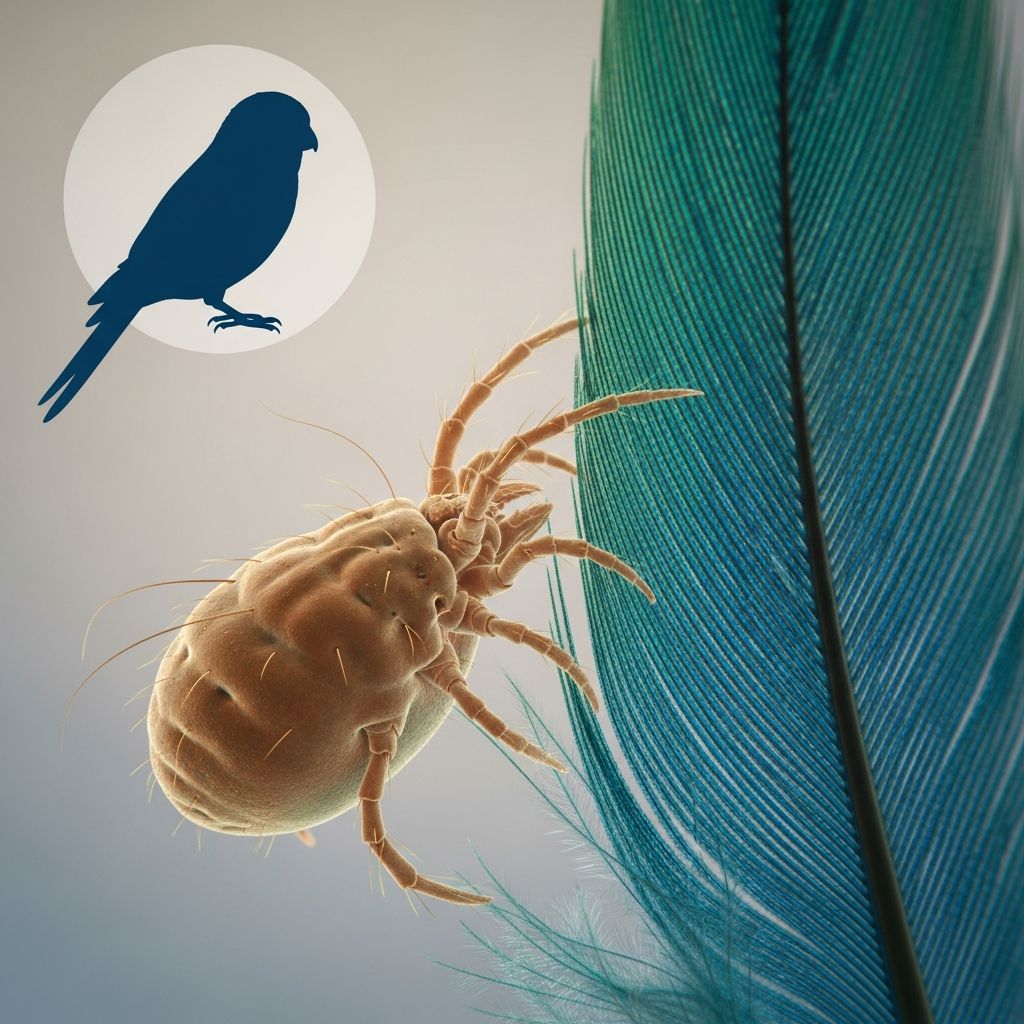
Pet birds face various parasitic threats that can compromise their health, leading to symptoms ranging from subtle weight loss to severe respiratory distress. Understanding these invaders is crucial for bird owners to ensure timely intervention and long-term wellness.
Why Parasites Thrive in Pet Birds
Parasites exploit the close living conditions of pet birds, spreading through contaminated food, water, direct contact, or intermediate hosts like insects. Species such as parrots, finches, and pigeons are particularly susceptible due to their social nature and outdoor exposure risks. Factors like stress, poor nutrition, and overcrowding accelerate infestations, making vigilant care essential.
Internal Parasites: Silent Invaders
Internal parasites reside in the digestive tract, respiratory system, or bloodstream, often causing gradual deterioration. Early detection through fecal exams is key, as symptoms may mimic other illnesses.
Nematodes and Their Impact
Roundworms like Ascaridia and Capillaria disrupt nutrient absorption, leading to emaciation, diarrhea, and stunted growth. Birds may appear lethargic with pot-bellied appearances. Diagnosis involves microscopic fecal flotation to spot eggs.
- Symptoms: Weight loss, poor feather quality, occasional vomiting.
- Diagnosis: Fecal centrifugation or PCR testing.
Cestodes: The Tapeworm Challenge
Tapeworms, such as Raillietina species, attach to the intestinal wall, absorbing vital nutrients. Owners might notice rice-like segments in droppings. These parasites require intermediate hosts like beetles or earthworms, common in outdoor aviaries.
Treatment focuses on eliminating adults while preventing reinfection by removing potential hosts from the environment.
Protozoal Threats
Protozoa like Trichomonas and Giardia cause gut inflammation, resulting in frothy droppings, regurgitation, and dehydration. Trichomonas forms yellow plaques in the throat, especially in pigeons and budgies, while coccidia lead to bloody diarrhea in severe cases.
| Protozoan Type | Common Signs | Affected Species |
|---|---|---|
| Trichomonas | Regurgitation, oral plaques | Pigeons, budgies |
| Giardia | Diarrhea, weight loss | Parrots, finches |
| Coccidia | Bloody stools, lethargy | Young birds |
External Parasites: Visible Troublemakers
External parasites live on the skin, feathers, or airways, causing irritation and secondary infections. Regular inspections during handling reveal crusts, feather damage, or hyperactivity.
Mites: Diverse and Persistent
Air sac mites invade respiratory tracts, producing clicking sounds, tail bobbing, and open-mouth breathing. Scaly leg mites create hyperkeratotic growths on feet and beaks, while feather mites chew barbs, leading to ragged plumage.
Sternostoma tracheacolum, the air sac mite, is diagnosed via tracheal transillumination or endoscopy. Red mites hide in cages during the day, feeding nocturnally and causing anemia.
- Inspection Tips: Check vents, under wings, and legs weekly.
- Environmental Control: Discard infested nest boxes; apply carbaryl powder.
Lice: Feather Feeders
Bird lice are species-specific, crawling on skin and nibbling feather parts. Infestations cause excessive preening, bald patches, and restlessness. Unlike mites, lice are larger and visible to the naked eye.
Spotting the Signs of Infestation
Parasitic infections manifest through behavioral and physical changes. Common indicators include:
- Persistent diarrhea or abnormal droppings.
- Unexplained weight loss despite good appetite.
- Feather plucking, itching, or scaly skin.
- Respiratory noises, sneezing, or nasal discharge.
- Lethargy, hunched posture, or reduced vocalization.
These signs overlap with bacterial or viral issues, underscoring the need for veterinary diagnostics like wet mounts, flotations, and serology.
Veterinary Diagnosis Methods
Accurate identification prevents mis-treatment. Avian vets use:
- Fecal Analysis: Flotation, sedimentation, or acid-fast staining for eggs and oocysts.
- Skin Scrapes: For mites and lice confirmation.
- Endoscopy: Visualizes air sac mites or tracheal parasites.
- PCR Testing: Detects protozoal DNA in swabs or feces.
Treat all aviary birds if one tests positive, as transmission is rapid.
Treatment Strategies for Success
Treatments target specific parasites with precise dosing to avoid toxicity. Always consult an avian specialist.
Anthelmintics for Worms
Fenbendazole (20-50 mg/kg PO, repeat in 14 days) handles nematodes; praziquantel (5-10 mg/kg PO/IM once) eradicates tapeworms. Combinations address mixed infections.
Antiprotozoals
Metronidazole (25-50 mg/kg PO for 5-7 days) treats Trichomonas and Giardia; amprolium via water for coccidiosis.
External Parasite Controls
Ivermectin (0.2 mg/kg PO/IM, repeat in 10-14 days) or moxidectin covers mites effectively. Pyrethrin sprays and carbaryl powders sanitize environments.
Supportive care includes fluids, nutritional supplements, and isolation to aid recovery.
| Parasite Group | Primary Treatment | Dosage & Frequency | Notes |
|---|---|---|---|
| Tapeworms | Praziquantel | 5-10 mg/kg once | Remove intermediate hosts |
| Roundworms | Fenbendazole | 20-50 mg/kg, repeat 14 days | Routine in outdoor setups |
| Air Sac Mites | Ivermectin/Moxidectin | 0.2 mg/kg, repeat 2 weeks | Treat all birds |
| Protozoa | Metronidazole | 25-50 mg/kg for 5-7 days | Monitor for neurotoxicity |
Prevention: Your Best Defense
Proactive measures reduce parasite risks significantly.
- Quarantine New Birds: 30-45 days with fecal checks.
- Hygiene Protocols: Daily cage cleaning, fresh food/water, insect control.
- Routine Deworming: Every 6 months in high-risk areas.
- Screened Aviaries: Prevent wild bird/insect access.
- Nutritional Support: Balanced diets bolster immunity.
Avoid over-reliance on preventatives; focus on habitat management.
FAQs on Pet Bird Parasites
Can parasites kill my pet bird?
Yes, severe infestations, especially air sac mites or heavy worm burdens, can lead to high mortality if untreated.
How often should I deworm my birds?
In indoor settings, annually; outdoor aviaries, every 6 months or based on fecal tests.
Are over-the-counter treatments safe?
No, avian dosing is precise; vet-prescribed medications prevent overdoses.
Do clean cages mean no parasites?
Not entirely; eggs persist in substrate—full disinfection is required.
Can humans catch bird parasites?
Rarely; most are host-specific, but maintain hand hygiene.
Long-Term Avian Health Management
Beyond parasites, integrate regular vet check-ups, balanced diets, and environmental enrichment. Monitor flocks closely during breeding or weaning, when vulnerability peaks. Educated owners save lives through prompt action.
This guide equips you to safeguard your birds, fostering vibrant, parasite-free lives.
References
- Tapeworms & Digestive Parasites in Birds: A Vet’s 2025 Guide — Askavet.com. 2025. https://askavet.com/blogs/news/tapeworms-digestive-parasites-in-birds-a-vet-s-2025-guide-%F0%9F%90%A5
- Parasite Treatments For Birds – What Every Bird Owner Should Know! — Birdvetmelbourne.com. Accessed 2026. https://birdvetmelbourne.com/parasite-treatments-for-birds-what-every-bird-owner-should-know/
- Bird Mites: Signs, Treatment and Prevention — Chewy.com. Accessed 2026. https://www.chewy.com/education/bird/health-and-wellness/pet-bird-mites-and-symptoms
- Parasitic Diseases of Pet Birds — Merck Veterinary Manual. Accessed 2026. https://www.merckvetmanual.com/exotic-and-laboratory-animals/pet-birds/parasitic-diseases-of-pet-birds
- Parasitic Diseases of Pet Birds — MSD Veterinary Manual. Accessed 2026. https://www.msdvetmanual.com/exotic-and-laboratory-animals/pet-birds/parasitic-diseases-of-pet-birds
- Parasites in Birds — VCA Animal Hospitals. Accessed 2026. https://vcahospitals.com/know-your-pet/parasites-in-birds
Similar Articles








Read full bio of medha deb


