

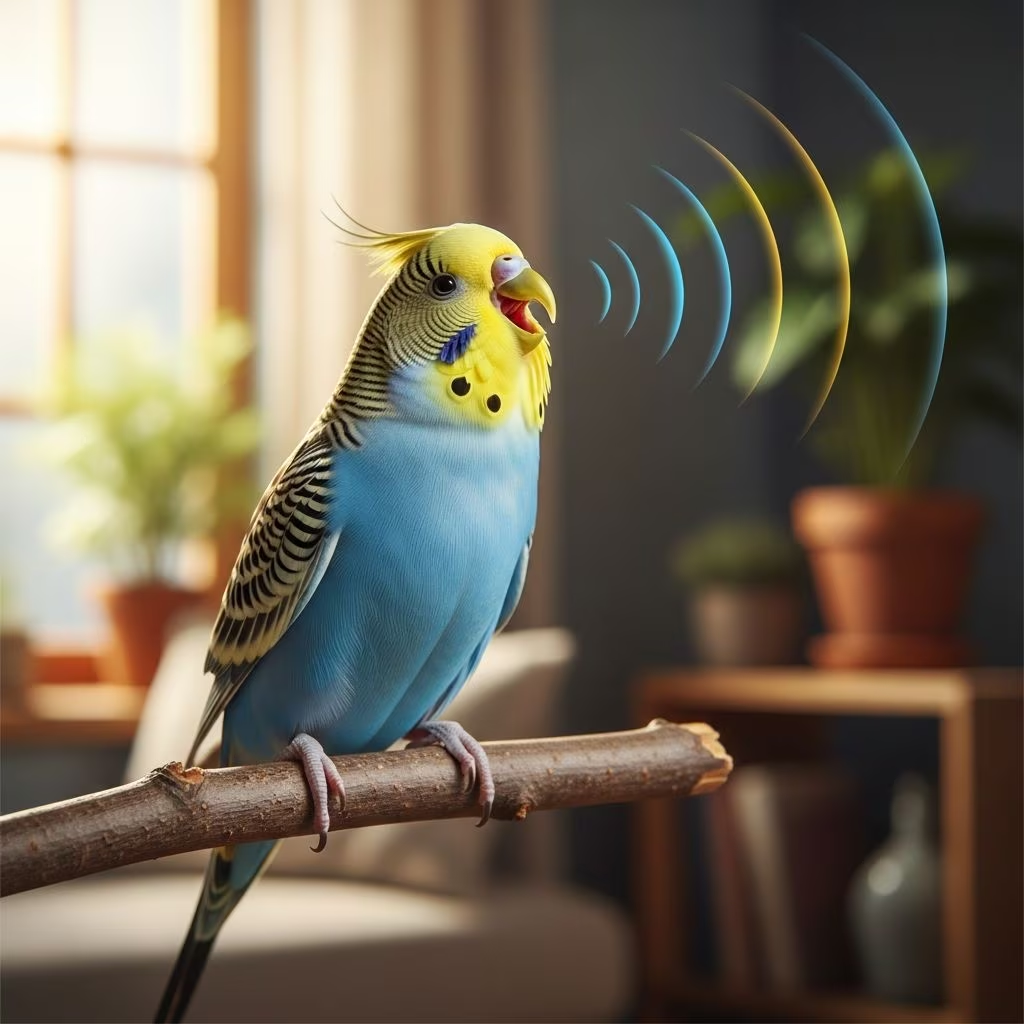
Pet Bird Noise 101: A Complete Guide to Understanding Your Feathered Friend’s Vocalizations
Pet birds are wonderful companions that bring joy, personality, and entertainment to any household. However, one aspect of bird ownership that can challenge even the most dedicated pet parents is managing their vocalizations. Whether you own a small parakeet, a medium-sized cockatiel, or a large macaw, understanding the reasons behind your bird’s noise is the first step toward creating a harmonious living environment for both you and your feathered friend. This comprehensive guide explores the science of bird vocalizations, helps you identify different types of sounds your bird makes, and provides practical strategies for managing noise levels effectively.
Why Do Birds Vocalize? Understanding the Fundamentals
Before attempting to address noise issues, it is essential to understand that bird vocalalization serves important functions in your pet’s life. Birds communicate through sounds for various reasons, and each vocalization carries meaning and purpose. Birds in the wild use vocalizations to establish territory, communicate with flock members, warn of danger, and attract mates. In captivity, pet birds maintain these natural instincts and communicate with their human families in much the same way they would with their natural flock.
One of the most important concepts to grasp is that behavior has function. If your bird continues to vocalize in particular ways, it is because they receive some form of reinforcement or reward for that behavior. This could be attention from you, a response to environmental stimuli, or fulfillment of a natural instinct. Understanding what your bird gains from their vocalizations is crucial for addressing any noise concerns you may have.
Types of Bird Vocalizations and What They Mean
Not all bird sounds are created equal, and learning to distinguish between different types of vocalizations can help you better understand your bird’s needs and emotional state.
Contact Calls and Flock Calling
One of the most common types of vocalizations is the contact call. These are relatively soft to moderate sounds that birds use to keep track of flock members and maintain group cohesion. In the wild, birds use contact calls to ensure everyone in the group knows where others are located. Your pet bird may make these sounds to locate you or to keep in contact with family members throughout your home. These calls are often predictable and occur at certain times of day.
Alarm Calls and Warning Sounds
Birds also produce alarm calls when they perceive a threat or notice something unusual in their environment. These vocalizations are typically louder and more intense than contact calls, as their purpose is to alert the entire flock to potential danger. Your pet bird might produce alarm calls in response to unfamiliar sounds, sudden movements, or changes in their environment.
Screaming and Loud Vocalizations
Screaming is perhaps the most challenging vocalization for pet bird owners to manage. While screaming can be a natural behavior, excessive screaming often indicates that something in your bird’s environment or care routine needs adjustment. Birds may scream due to boredom, inadequate sleep, dietary imbalances, hormonal fluctuations, or simply to gain attention from their owners.
Chirping and Soft Vocalizations
Many birds also produce softer chirps, whistles, and other gentle vocalizations that are pleasant to hear. These sounds are often associated with contentment and relaxation. Encouraging these positive vocalizations through training and positive reinforcement can help shift your bird’s overall noise profile toward more desirable sounds.
Identifying the Root Causes of Excessive Noise
Managing bird noise effectively requires detective work. You need to identify why your specific bird is vocalizing excessively before you can implement an effective solution. Several factors commonly contribute to noise problems in pet birds.
Attention-Seeking Behavior
One of the most common reasons birds scream is to gain attention from their owners. If your bird has learned that screaming results in you responding—whether positively or negatively—they will continue this behavior. Even negative attention, such as telling the bird to be quiet, can reinforce screaming because it still provides the interaction the bird desires.
Boredom and Lack of Stimulation
Birds are highly intelligent creatures that require substantial mental and physical stimulation. When birds lack adequate enrichment, toys, or activities, they often resort to vocalization as a way to occupy themselves and combat boredom. A bored bird is frequently a loud bird.
Inadequate Sleep
Sleep deprivation is a significant factor that many bird owners overlook. Birds require 10 to 12 hours of sleep per night to maintain healthy behavior and emotional regulation. Without sufficient rest, birds become irritable and more prone to excessive vocalization. Environmental factors such as artificial lighting, household noise, and temperature fluctuations can interfere with your bird’s sleep quality.
Dietary Factors
The food you provide to your bird can directly impact their energy levels and behavior. Diets high in carbohydrates and fats provide excessive energy for indoor birds that may not have sufficient opportunities for physical activity. This excess energy often manifests as increased vocalization. A seed-based diet or frequent treats containing nuts and human foods can contribute to a noisier bird.
Hormonal Influences
Hormonal changes, particularly during breeding season or when birds become sexually mature, can dramatically increase vocalization. Changes in daylight hours, temperature, and the presence of nesting materials can trigger hormonal responses that lead to more intense and frequent screaming.
Environmental Factors
Your bird’s environment plays a crucial role in their noise levels. A household with loud family members tends to produce loud birds, as they attempt to communicate over the ambient noise. Visual stimulation from windows can also overstimulate birds and lead to increased vocalization.
Practical Strategies for Managing Bird Noise
Once you understand why your bird is vocalizing, you can implement targeted strategies to address the issue. The most effective approach combines multiple solutions tailored to your bird’s specific needs.
Positive Reinforcement Training
Reward the behaviors you want to encourage rather than focusing only on eliminating unwanted behaviors. When your bird is quiet and calm, immediately offer praise and provide a favorite treat. This teaches your bird that quiet, pleasant vocalizations result in positive outcomes. Consistency is essential—every instance of desired quiet behavior should be rewarded, at least initially.
Ignore Unwanted Vocalization
While it may seem counterintuitive, completely ignoring screaming and other undesired vocalizations is one of the most effective strategies. If your bird learns that screaming produces no response whatsoever—no attention, no interaction, no reaction—the behavior will eventually diminish. This strategy only works if everyone in your household commits to completely ignoring the noise. Even occasional attention reinforces the behavior.
Optimize Sleep and Rest
Establish a consistent sleep schedule for your bird. Create a dark, quiet sleeping environment away from household activity. Aim to provide 10 to 12 hours of uninterrupted sleep each night. Use blackout curtains if necessary to block artificial light and reduce environmental stimulation during sleep hours. Many behavioral problems, including excessive vocalization, improve dramatically once sleep issues are resolved.
Dietary Adjustments
Work with an avian veterinarian to evaluate your bird’s diet. If you currently feed a seed-based mix or provide frequent nut treats, consider transitioning to a more balanced diet featuring pellets, fresh vegetables, and fruits. Reducing excess carbohydrates and fats can help decrease the excess energy that often fuels vocalization. Any dietary changes should be implemented gradually and under professional guidance.
Provide Enrichment and Mental Stimulation
Birds require constant mental and physical stimulation. Rotate toys regularly to maintain novelty and interest. Provide destructible toys that birds can shred and dismantle—this natural behavior occupies their time and satisfies their instinctive need to forage and nest-build. Include puzzle toys, foraging wheels, and toys designed to be destroyed quickly. Change enrichment items every one or two days, especially before times when you want your bird to be quiet.
Ensure Adequate Out-of-Cage Time
Isolation increases vocalization problems. Birds are flock animals and want to spend time with their family. Provide at least three to four hours of out-of-cage time daily, divided into two separate periods. This social interaction and freedom of movement help satisfy your bird’s psychological needs and reduce the likelihood of problematic vocalization.
Increase Physical Exercise
A tired bird is a quieter bird. Increase the amount of physical and mental exercise your bird receives daily. This can include flight time, climbing, foraging activities, and interactive play with you. Birds that expend energy through exercise are less likely to have excess energy available for screaming.
Provide Outdoor Time
Time spent outdoors in a safe aviary or enclosure provides natural stimulation and exercise that many indoor birds lack. The fresh air, natural light, and exposure to outdoor sights and sounds provide enrichment that is difficult to replicate indoors. Many bird owners report that their birds are noticeably quieter and calmer following outdoor time.
Environmental Modifications
If your bird screams when looking out windows, consider moving the cage or keeping blinds closed during peak vocalization times. If your bird vocalizes excessively due to family noise, work to reduce overall household noise levels. Creating a calmer environment benefits everyone, including your bird.
Creating Your Bird Noise Management Plan
Successful noise management requires a comprehensive, multi-faceted approach. Consider the following checklist when developing your personalized strategy:
- Completely ignore screaming and other unwanted vocalizations—100% of the time, consistently
- Reward quiet behavior and pleasant vocalizations immediately with praise and treats
- Provide fresh enrichment items every one to two days, especially before desired quiet times
- Reduce dietary carbohydrates and fats if excessive; consult your avian veterinarian before making changes
- Offer regular bathing to your bird as a relaxing activity that helps reduce excess energy
- Provide access to a safe outdoor aviary when possible
- Ensure your bird receives at least three to four hours of out-of-cage time daily, split into two periods
- Teach your bird new, desirable behaviors such as targeting and stationing
- Prevent screaming by predicting when it will occur and intervening proactively
- Modify your home environment to reduce visual overstimulation
- Establish a consistent sleep schedule with 10 to 12 hours of uninterrupted rest nightly
The Critical Role of Consistency and Owner Behavior Change
Perhaps the most important concept to understand is that changing your bird’s behavior requires changing your own behavior first. Every interaction you have with your bird teaches them something. You are essentially training your bird with every response you make to their vocalizations, whether intentionally or unintentionally.
Many bird owners find that initially, the noise problem seems to improve only to resurface in a different form. This happens because once the original screaming decreases, owners become less vigilant about maintaining their training consistency. The bird, sensing this change, simply develops a different problematic vocalization. The solution remains the same: continue rewarding desired behavior and consistently ignoring unwanted noise.
Success requires patience, commitment, and persistence. Changing established behavioral patterns takes time—often weeks or months of consistent effort. However, the reward of a more harmonious household with a happy, behaviorally balanced bird makes the effort worthwhile.
Frequently Asked Questions About Bird Noise
Q: How long does it take to reduce excessive bird noise?
A: The timeline varies depending on how long the behavior has been established and how consistently you implement the management strategies. Many owners see improvements within a few weeks of beginning a structured approach, but significant behavior modification may take several months. Consistency is more important than speed.
Q: Can I use punishment to stop my bird from screaming?
A: No. Punishment is ineffective and can damage your relationship with your bird while creating additional behavioral problems. Even negative attention (like yelling at your bird to be quiet) can reinforce screaming because it provides the attention your bird seeks.
Q: What should I do if my bird screams at specific predictable times?
A: If screaming occurs at predictable times, such as when family members arrive home or when you get on the phone, plan ahead. Provide your bird with engaging enrichment items just before these times, or arrange to be unavailable just before the screaming typically occurs. This prevents the behavior from being reinforced.
Q: Is screaming ever a sign of a medical problem?
A: Yes. Sudden changes in vocalization patterns can indicate illness, pain, or nutritional deficiencies. If your bird’s noise behavior changes dramatically or if screaming is accompanied by other symptoms, consult an avian veterinarian to rule out health issues.
Q: Can diet really affect how much my bird screams?
A: Yes. High-fat, high-carbohydrate diets provide excessive energy for indoor birds. Switching to a more balanced diet with quality pellets, vegetables, and appropriate fruits can reduce excess energy and corresponding vocalization.
Q: How much sleep does my bird really need?
A: Most pet birds require 10 to 12 hours of sleep per night. Insufficient sleep leads to irritability, behavioral problems, and increased vocalization. Ensure your bird has a dark, quiet place to sleep each night.
References
- Quick Guide: Solve Your Parrot’s Screaming Problem for Good — Pamela Clark Online. 2018-08-15. https://pamelaclarkonline.com/2018/08/15/quick-guide-solve-your-parrots-screaming-problem-for-good/
- 5 Tips to Help Stop Your Parrot From Screaming Using Positive Reinforcement — Kook Shop. https://www.kookshop.com/5-tips-to-help-stop-your-parrot-from-screaming-using-positive-reinforcement
- How to Stop Your Bird Screaming — BirdNerdSophie, Best Behaved Birds. 2023-10-28. https://www.bestbehavedbirds.com/



