
Pet Bird Lung Issues: Comprehensive Guide For Owners
Essential insights into recognizing, diagnosing, and managing respiratory problems in companion birds for optimal care.
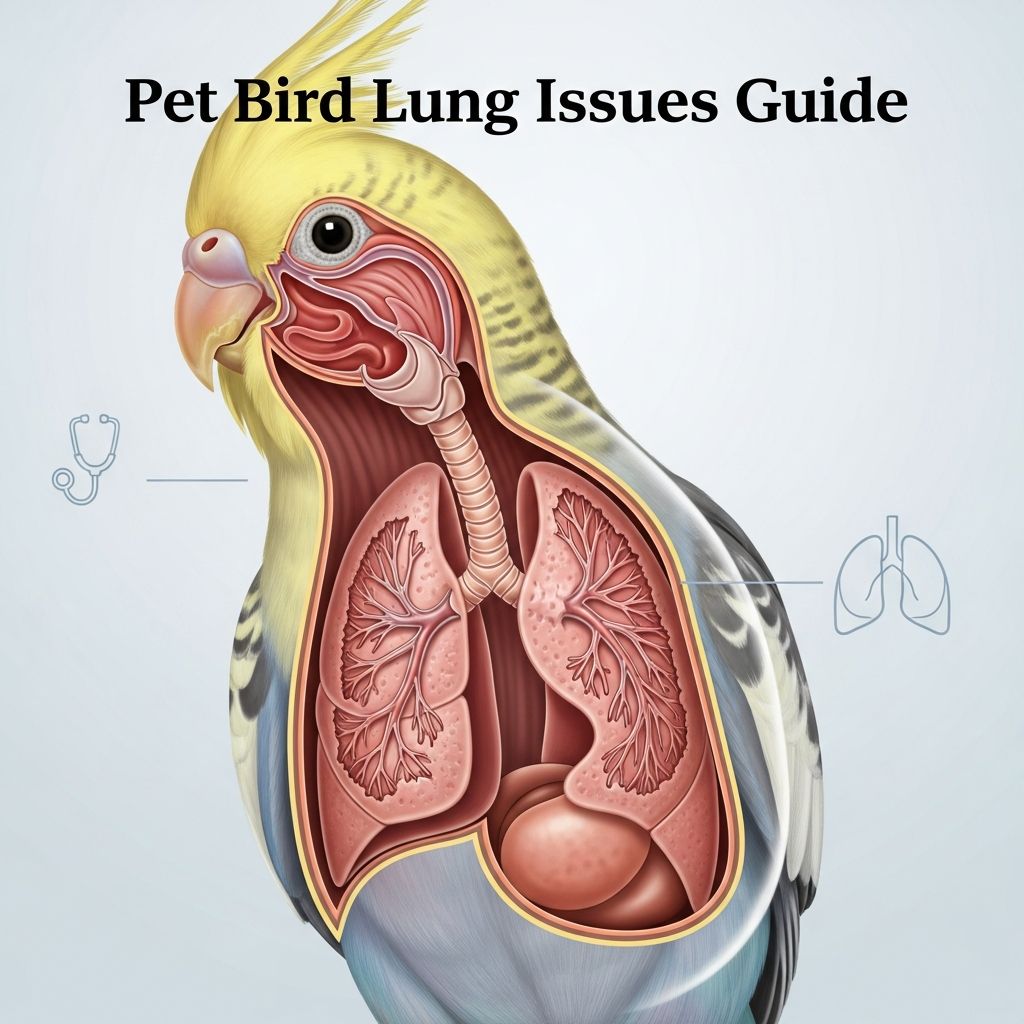
Respiratory challenges represent one of the most critical health concerns for pet birds, often stemming from infections, environmental factors, or nutritional shortcomings. These conditions can escalate rapidly, making early detection vital for successful outcomes. This guide delves into the anatomy of avian breathing systems, common disorders, recognition of distress signals, diagnostic approaches, therapeutic interventions, and proactive prevention measures to empower bird owners.
Avian Respiratory Anatomy Essentials
Birds possess a remarkably efficient respiratory setup distinct from mammals. Air flows unidirectionally through a series of air sacs connected to the lungs, enabling superior oxygen extraction during flight. The upper airways include nares, sinuses, trachea, and syrinx, while lower components encompass lungs and expansive air sacs. Disruptions in any segment can impair oxygenation, leading to severe distress.
Understanding this structure aids in pinpointing issues: upper airway problems manifest as nasal discharge or sneezing, whereas lower tract involvement causes tail bobbing or open-mouth breathing.
Common Culprits Behind Bird Breathing Difficulties
Several pathogens and factors target the avian respiratory tract. Fungal invasions like aspergillosis dominate chronic cases, with spores infiltrating lungs and air sacs, causing granulomas that hinder airflow. Bacterial assaults from species like Chlamydia psittaci (psittacosis) provoke pneumonia-like symptoms, potentially zoonotic to humans. Viral threats such as avian influenza or Newcastle disease ravage flocks, though less common in pets. Parasitic mites infest air sacs, irritating tissues and promoting secondary infections.
- Fungal Infections: Aspergillosis thrives in damp, moldy environments, leading to progressive lung damage.
- Bacterial Infections: Often secondary to stress or poor hygiene, manifesting as pneumonia.
- Viral Pathogens: Highly contagious, requiring flock-wide management.
- Parasites: Air sac mites cause audible clicks and obstruction.
- Non-Infectious Triggers: Vitamin A deficiency erodes mucosal linings, inviting opportunists.
Spotting the Warning Signs Early
Bird owners must vigilantly monitor for subtle cues, as species like parrots mask illness until advanced stages. Key indicators include:
| Symptom | Description | Implication |
|---|---|---|
| Tail Bobbing | Rhythmic up-down tail movement synced with breaths | Severe respiratory effort, often lower tract involvement |
| Open-Mouth Breathing | Extended neck, gaping beak | Critical distress signaling hypoxia |
| Audible Noises | Wheezing, clicking, gasping | Airway obstruction or fluid buildup |
| Nasal/Eye Discharge | Swollen sinuses, watery or mucoid secretions | Upper respiratory infection |
| Behavioral Shifts | Lethargy, appetite loss, fluffed feathers | Systemic impact from respiratory compromise |
Advanced cases may show neurological signs like tremors if infections disseminate. Immediate veterinary consultation is imperative upon observing any anomaly.
Diagnostic Pathways for Accurate Identification
Veterinarians employ a multi-faceted strategy to confirm diagnoses. Initial assessments involve history review—diet, housing, recent exposures—and physical exams, potentially in oxygen-enriched settings for stability.
- Blood Analysis: Evaluates cell counts, organ function, and specific titers for chlamydiosis or aspergillosis.
- Imaging: Radiographs reveal lung opacities, air sac thickening, or granulomas.
- Sampling Techniques: Sinus aspirates, nasal flushes, or tracheal lavages for cytology and cultures.
- Advanced Tools: Endoscopy visualizes air sacs; PCR detects viral/fungal DNA.
For severe distress, diagnostics may follow stabilization to avoid handling stress.
Comprehensive Treatment Strategies
Treatment hinges on etiology, with supportive care universal. Hospitalization facilitates nebulization, fluids, and monitoring.
- Antifungals: Oral or aerosolized agents like itraconazole target aspergillosis; prolonged courses essential.
- Antibiotics: Tailored to culture results for bacterial pathogens.
- Antiparasitics: Ivermectin eradicates mites.
- Supportive Measures: Oxygen therapy, warmed humidified incubators (85-88°F, 70% humidity), gavage feeding, NSAIDs for inflammation.
Emergency interventions include intubation or air sac cannulas for obstructions. Prognosis improves with prompt, targeted therapy, though chronic cases carry guarded outlooks.
Prevention: Building a Respiratory-Resilient Environment
Proactive husbandry averts most incidents. Core tenets include:
- Optimal Housing: Excellent ventilation minimizes ammonia and mold; avoid drafts or toxins like Teflon fumes.
- Hygiene Protocols: Daily cage cleaning, fresh bedding, uncontaminated food/water.
- Nutrition Balance: Vitamin A-rich diets (carrots, greens) fortify mucosal barriers.
- Quarantine: Isolate newcomers 2-4 weeks; monitor flocks.
- Stress Mitigation: Ample space, stable temperatures, routine health checks.
Vaccinations apply to poultry but consult avian vets for pets.
Special Considerations for Popular Pet Species
Parrots, canaries, and finches exhibit varying susceptibilities. Psittacines face higher aspergillosis risk from nut-hoarding mold; passerines succumb quickly to bacteria. Tailor care to species, emphasizing dust-free substrates for cockatiels prone to sinusitis.
FAQs on Pet Bird Respiratory Health
What should I do if my bird shows breathing trouble?
Minimize stress, provide warmth/humidity, and rush to an avian veterinarian—do not delay, as collapse can occur swiftly.
How long does aspergillosis treatment last?
Weeks to months, depending on severity; compliance is crucial to prevent relapse.
Can humans catch bird respiratory diseases?
Yes, psittacosis is transmissible; practice hygiene and seek medical advice if exposed.
Is humidified oxygen safe for birds?
Yes, in veterinary settings it stabilizes patients without excess moisture risks.
How to prevent mold in bird environments?
Ensure dry, ventilated spaces; discard spoiled food promptly.
Long-Term Monitoring and Follow-Up
Post-treatment, serial exams and imaging track recovery. Recheck diets, reinforce hygiene, and watch for recurrence cues. Annual avian vet visits catch subclinical issues early.
Maintaining vigilant care transforms pet birds’ longevity and vitality, sidestepping the pitfalls of respiratory woes.
References
- Respiratory Tract Infection in Birds – PetMD — PetMD. 2023. https://www.petmd.com/bird/conditions/respiratory/c_bd_Aspergillosis
- Understanding Avian Respiratory Illnesses — Gursky Veterinary Services. 2024. https://www.gurskyvet.com/blog/respiratorybirds
- Respiratory Infections in Birds: 2025 Guide — Morningside Veterinary. 2025. https://www.morningsideveterinary.com/respiratory-infections-birds/
- Respiratory Disease in Birds — VCA Animal Hospitals. 2024. https://vcahospitals.com/know-your-pet/respiratory-disease-in-birds
- Avian Respiratory Emergencies — MSPCA-Angell. 2023. https://www.mspca.org/angell_services/avian-respiratory-emergencies/
- My Bird Isn’t Breathing Right — VEG ER for Pets. 2024. https://www.veg.com/post/my-bird-isn-t-breathing-right
- Psittacosis — NORD (National Organization for Rare Disorders). 2024. https://rarediseases.org/rare-diseases/psittacosis/
Similar Articles








Read full bio of Sneha Tete


