
Pet Bird Health Issues: Essential Guide To Signs And Care
Essential insights into common illnesses affecting pet birds, from symptoms to prevention strategies for happier, healthier companions.
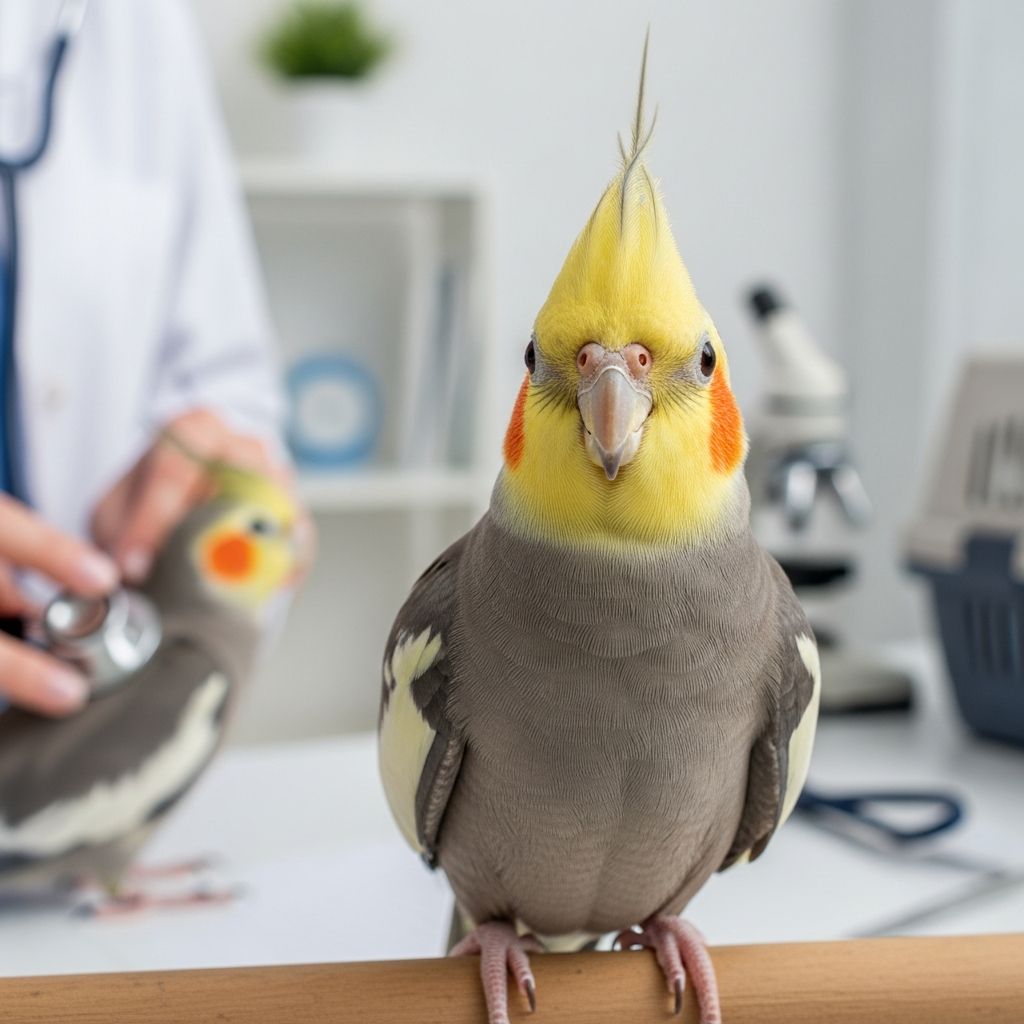
Pet birds bring joy and vibrancy to homes, but they are susceptible to a variety of health problems that can arise suddenly. Understanding these conditions is crucial for owners to ensure timely intervention and long-term wellness. This guide covers prevalent disorders, drawing from veterinary insights to help you recognize signs, pursue treatments, and adopt preventive practices.
Understanding Common Avian Ailments
Birds often conceal illness until advanced stages, making vigilance essential. Factors like poor diet, stress, overcrowding, and exposure to pathogens contribute to disease outbreaks. Regular veterinary check-ups, hygiene, and balanced nutrition form the foundation of robust health.
Viral Threats to Pet Birds
Viral infections pose significant risks, often spreading through direct contact, aerosols, or contaminated environments. Early detection through symptoms like lethargy or abnormal droppings can improve outcomes.
Polyomavirus Concerns
This highly contagious virus targets young birds, especially in breeding setups or multi-bird households. It disrupts feather development and internal organs, leading to abdominal swelling, appetite loss, vomiting, diarrhea, weight reduction, and dehydration. In severe cases, sudden death occurs without prior warning.
No cure exists for infected birds, emphasizing prevention. A vaccine, administered in two initial doses starting at 4 weeks for juveniles or 2-4 weeks apart for adults with annual boosters, protects exposed birds. Limit inter-bird contact and maintain strict sanitation to curb spread.
Pacheco’s Disease Impact
Primarily affecting parrots, this herpesvirus causes rapid liver and kidney deterioration. Indicators include diarrhea, lethargy, discolored droppings, and tremors. Supportive therapies manage symptoms, but prognosis remains guarded without specific antivirals.
Psittacine Beak and Feather Disease
Affecting feather integrity and beak growth, this condition leads to abnormal plumage, paralysis, and immune suppression. No treatments cure it; isolation prevents transmission.
Poxvirus Challenges
Spread via mosquitoes or skin abrasions, poxviruses produce skin lesions, blisters, breathing difficulties, and vision impairment on unfeathered areas. Supportive care includes vitamin A supplementation, antibiotics for secondary issues, eye ointments, and wound cleaning. Species-specific vaccines exist, alongside mosquito controls.
Bacterial Infections in Companion Birds
Bacteria thrive in unclean conditions, causing systemic issues. Zoonotic potential heightens the need for prompt care.
Psittacosis (Parrot Fever)
Chlamydia psittaci drives this illness, marked by respiratory distress, nasal/ocular discharge, green droppings, depression, and appetite loss. Treatment demands prolonged antibiotics, fluids, warmth, and isolation. Supportive measures address dehydration and secondary infections.
| Symptom | Common Signs | Treatment Focus |
|---|---|---|
| Respiratory | Labored breathing, discharge | Antibiotics, nebulization |
| Gastrointestinal | Watery droppings | Fluids, vitamins |
| General | Lethargy, weight loss | Isolation, nutrition |
Salmonellosis Effects
Salmonella induces nonspecific lethargy, weakness, emaciation, and unresponsiveness. Antibiotics mitigate secondary complications, though full eradication proves challenging.
Clostridial Disorders
These produce toxins leading to enterotoxemia, with symptoms like sudden weakness and bloody droppings. Aggressive antibiotics and fluids are vital.
Fungal and Yeast Problems
Fungi exploit weakened immunity, often from dietary deficits or humidity.
Aspergillosis Overview
Common in African Greys, this respiratory fungal invasion causes sneezing, open-mouth breathing, exercise intolerance, and tail bobbing. Diagnosis via blood tests or endoscopy precedes months-long antifungal nebulization and oral therapy. Prevention involves dry foods and cage cleanliness.
Candidiasis (Thrush)
Yeast overgrowth yields oral white patches, regurgitation, fluffed feathers, crop distension, and vomiting. Antifungals tailored by vets resolve most cases, aided by vitamin A-rich diets.
Parasitic Infestations
Protozoa and worms disrupt digestion and skin health.
Giardiosis Symptoms and Care
Giardia prompts diarrhea, weight loss, itching, and feather plucking, especially under wings. Medications clear infections; avoid overcrowding and ensure fresh water.
Non-Infectious Conditions
Nutritional gaps, toxins, and cancers mimic infections.
Heavy Metal Toxicity
Lead or zinc exposure from toys causes neurological signs like seizures. Chelating agents, injected initially then oral, detoxify rapidly with supportive care.
Proventricular Dilatation Disease
This syndrome, linked to avian bornavirus, features crop dilation, vomiting, wasting, and seizures. Stress reduction, specialized diets, and NSAIDs aid management.
Mycobacteriosis (Avian TB)
Chronic wasting, lameness, and poor feathering signal this. Treatment is prolonged and often palliative.
Species-Specific Vulnerabilities
- African Greys: Prone to aspergillosis, PBFD, cancers.
- Cockatiels: Giardia, candida, respiratory bacteria.
- Macaws: Chlamydiosis, papillomatosis, feather picking.
- Lovebirds: Egg binding, PBFD, epilepsy.
Prevention Strategies for Bird Owners
Proactive steps minimize risks:
- Quarantine newcomers 30-45 days.
- Provide pelleted diets with fresh veggies/fruits; supplement vitamin A.
- Clean cages daily, disinfect weekly.
- Vaccinate per vet advice for high-risk birds.
- Control mosquitoes, avoid wild bird contact.
- Monitor weight, droppings, behavior weekly.
When to Seek Veterinary Help
Act immediately on fluffed posture, tail bobbing, anorexia, or abnormal feces. Avian specialists offer diagnostics like radiographs, cultures, and PCR tests.
FAQs
What are the first signs of illness in pet birds?
Lethargy, fluffed feathers, reduced appetite, and respiratory changes signal trouble.
Can pet bird diseases spread to humans?
Yes, psittacosis and salmonella are zoonotic; practice handwashing and avoid bird dust inhalation.
Is vaccination necessary for single pet birds?
Not typically for isolated birds, but recommended for those at shows or breeders.
How do I prevent fungal infections?
Remove moist foods promptly, ensure good ventilation, and maintain low humidity.
What diet supports bird immunity?
70% pellets, 20-30% veggies/fruits, limited seeds; rotate for nutrient variety.
Daily Care Routine Table
| Task | Frequency | Benefits |
|---|---|---|
| Cage cleaning | Daily | Reduces bacteria/fungi |
| Fresh water/food | Daily | Prevents contamination |
| Weight check | Weekly | Early illness detection |
| Vet exam | Annually | Baseline health monitoring |
References
- A Guide To Common Bird Diseases–Symptoms And Treatments — Vet and Tech. 2023. https://www.vetandtech.com/blogs/a-guide-to-common-bird-diseases-symptoms-and-treatments
- Disorders Affecting Multiple Body Systems of Pet Birds — Merck Veterinary Manual. 2024-02-01. https://www.merckvetmanual.com/bird-owners/disorders-and-diseases-of-birds/disorders-affecting-multiple-body-systems-of-pet-birds
- Common Pet Bird Diseases and Solutions — Pet Friendly Site. 2023. https://petfriendlysite.com/blogs/news/common-pet-bird-diseases-and-solutions
- Common Conditions of Pet Birds — VCA Animal Hospitals. 2024. https://vcahospitals.com/know-your-pet/common-conditions-of-birds
- Infectious Diseases of Parrots — Chicago Exotics Animal Hospital. 2023. http://www.exoticpetvet.com/infectious-diseases-of-parrots.html
- Birds | Healthy Pets, Healthy People — Centers for Disease Control and Prevention (CDC). 2025-01-15. https://www.cdc.gov/healthy-pets/about/birds.html
Similar Articles








Read full bio of medha deb


