
Pet Bird Health: Essential Care & Nutrition Guide
Complete guide to maintaining optimal health and nutrition for your feathered companions.
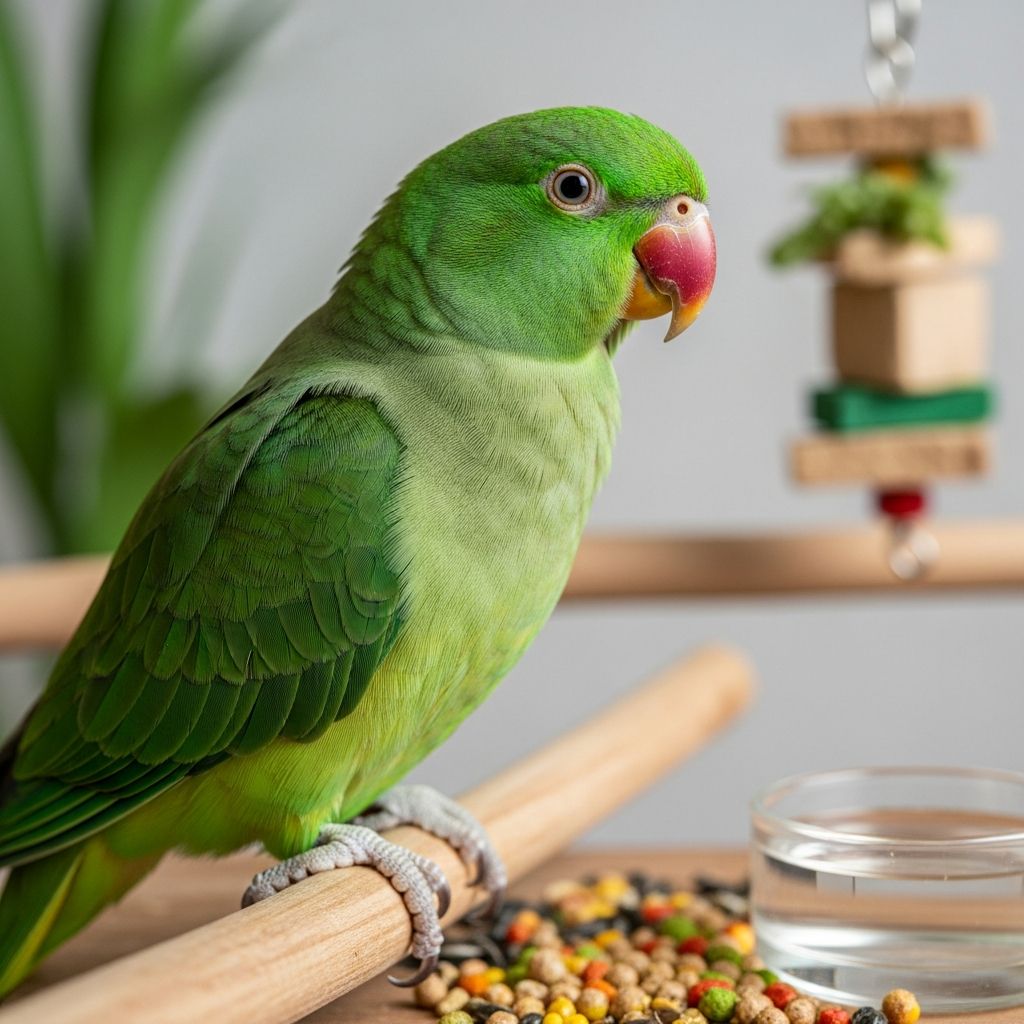
Pet Bird Health: A Comprehensive Guide to Caring for Your Feathered Companion
Pet bird ownership comes with significant responsibility, particularly when it comes to maintaining your bird’s health and well-being. Whether you own a budgie, cockatiel, parrot, or any other avian companion, understanding the fundamentals of bird health is essential for providing the best possible care. This comprehensive guide covers the most critical aspects of pet bird health, nutrition, and preventative care that every bird owner should know.
Understanding Avian Nutrition Fundamentals
One of the most important factors in maintaining your bird’s health is providing proper nutrition. Many bird owners make the mistake of relying solely on seed mixes, which can be nutritionally inadequate. The seeds that come in loose seed mixes are generally not fresh enough to retain their natural nutrients, and any vitamins that are added are often lost during processing and storage.
The Importance of Pelleted Diets
A nutritionally balanced pelleted diet should form the foundation of your bird’s daily nutrition. Unlike loose seed mixes, pelleted foods are formulated to provide complete and balanced nutrition in every bite. Quality pellets are manufactured using specialized processes that help preserve essential nutrients. When selecting pellets for your bird, look for products created by avian veterinarians with proper nutritional analysis, including appropriate levels of protein, fat, fiber, and moisture content.
Supplementing with Fresh Foods
In addition to a quality pelleted diet, you should supplement your bird’s meals with fresh, nutritious foods. Leafy greens provide essential vitamins and minerals, while vegetables offer dietary variety and important nutrients. A small amount of fruit can be included as an occasional treat, but should not constitute a significant portion of your bird’s diet due to its sugar content. The combination of pellets, fresh vegetables, and leafy greens creates a balanced nutritional foundation that supports optimal health and longevity.
Common Health Issues in Pet Birds
Understanding common health problems allows bird owners to recognize symptoms early and seek veterinary care promptly. Several health conditions are particularly prevalent in captive birds and can significantly impact quality of life if left untreated.
Aspergillosis: A Serious Fungal Infection
Aspergillosis is a fungal infection that affects the respiratory system of birds and can be particularly devastating if not caught early. This condition develops when birds inhale spores from contaminated environments. Symptoms may include difficulty breathing, wheezing, lethargy, and decreased appetite. Prevention focuses on maintaining clean living environments, proper ventilation, and avoiding moldy foods or bedding materials. Early diagnosis and treatment by an avian veterinarian are crucial for survival.
Psittacosis: The Parrot Fever
Psittacosis is a zoonotic disease caused by the bacterium Chlamydia psittaci, meaning it can be transmitted from birds to humans. This serious condition affects both the bird’s respiratory and digestive systems. Clinical signs include ruffled feathers, eye discharge, nasal discharge, and digestive upset. The disease requires prompt veterinary intervention and can be life-threatening if untreated. Bird owners should practice good hygiene when handling infected birds and should seek medical attention if they develop symptoms.
Atherosclerosis in Senior Birds
Atherosclerosis is a common yet often hidden disease in senior pet birds that results from fat deposits building up in blood vessels. This condition can develop silently over years and may not present obvious symptoms until the disease is advanced. Prevention through a balanced diet low in saturated fats, regular exercise, and mental stimulation throughout the bird’s life is the best approach. Senior birds showing signs of lethargy, reduced exercise tolerance, or behavioral changes should be evaluated by an avian veterinarian.
Iron Storage Disease
Iron storage disease is a condition where excessive iron accumulates in vital organs, particularly affecting the liver and heart. Certain bird species are more susceptible to this condition than others. The disease develops over time and can be prevented through careful dietary management, avoiding iron-fortified foods, and providing species-appropriate nutrition. Avian veterinarians can diagnose this condition through specialized testing and recommend dietary modifications to prevent progression.
Hydration: Often Overlooked but Critically Important
Many bird owners underestimate the importance of fresh water for their feathered companions. Unlike dogs that may drink visibly, birds sip water subtly throughout the day, making it easy to miss their actual water intake. Ensuring your bird has access to clean, fresh water is one of the simplest yet most vital aspects of daily care.
Water Dish Management
Water dishes should be placed where your bird can easily access them without excessive stretching or straining. The location should be safe from contamination by droppings, food particles, or debris. Change your bird’s water at least once daily, and more frequently if the dish becomes soiled. Some birds prefer running water, and providing a bird bath or misting opportunities can encourage drinking while offering bathing benefits.
Water Quality and Contaminants
Ensure that the water supply is free from harmful contaminants. If your tap water contains high levels of minerals or chlorine, consider using filtered or distilled water. Clean and sanitize water dishes regularly to prevent bacterial growth. Some birds are attracted to water droplets, particularly during misting sessions, which provides both hydration and enrichment opportunities.
Environmental Toxins: Hidden Dangers
Pet birds are particularly susceptible to various toxins commonly found in household environments. Creating a safe living space requires awareness of potential hazards that may not be immediately obvious.
Common Household Toxins
Non-stick cookware, air fresheners, cleaning products, and certain plants can release fumes or substances toxic to birds. Teflon and PTFE coatings on cookware can release toxic fumes when heated, which is particularly dangerous for birds with their sensitive respiratory systems. Scented candles and air fresheners can irritate airways. Lead-based paints and certain toys may contain toxic materials. Bird owners should carefully evaluate their home environment and remove or replace potentially dangerous items.
Creating a Safe Environment
Keep your bird’s living space free from hazardous materials, ensure proper ventilation, and use bird-safe cleaning products. Avoid using pesticides or aerosol sprays near your bird. Be cautious with certain foods that are toxic to birds, including chocolate, avocado, and salt. Creating a toxin-free environment significantly reduces health risks and promotes longevity.
Enrichment and Mental Health
Physical health cannot be separated from mental and emotional well-being in pet birds. Research has demonstrated that enrichment is central to a bird’s overall health and quality of life. Birds that lack adequate mental stimulation develop abnormal behaviors including cage bar biting, pacing, and feather plucking.
Foraging and Enrichment Opportunities
Companion parrots need busy work to thrive. Providing foraging opportunities, puzzle toys, and various enrichment activities keeps birds mentally engaged and physically active. Rotate toys regularly to maintain novelty and interest. Create opportunities for your bird to engage in natural behaviors such as climbing, shredding paper, and exploring different textures.
Behavioral Training and Trust Building
Teaching your bird simple behaviors or tricks offers multiple benefits including enrichment, mental stimulation, and strengthened trust between bird and owner. Training sessions provide quality interaction time and help prevent destructive behaviors associated with boredom and stress.
The Role of Veterinary Care
Regular veterinary check-ups are essential for early detection of health problems. Avian veterinarians possess specialized knowledge about bird health and can provide guidance on nutrition, cage requirements, environmental conditions, and behavioral concerns. Information about your bird’s cage size, diet, environment, and daily routines helps veterinarians provide accurate diagnoses and effective treatment recommendations.
Frequently Asked Questions About Pet Bird Health
Q: What is the best diet for pet birds?
A: A nutritionally balanced pelleted diet supplemented with fresh leafy greens, vegetables, and limited fruit provides optimal nutrition. Avoid relying solely on loose seed mixes, as they lack adequate nutritional value and nutrient freshness. Quality pellets formulated by avian veterinarians offer complete nutrition in each bite.
Q: How often should I change my bird’s water?
A: Change your bird’s water at least once daily, and more frequently if the water becomes soiled. Ensure water dishes are placed in safe locations away from contamination. Provide fresh, clean water to encourage proper hydration throughout the day.
Q: What are signs that my bird might have a health problem?
A: Warning signs include ruffled feathers, discharge from eyes or nostrils, difficulty breathing, decreased appetite, lethargy, behavioral changes, and abnormal droppings. If you notice any of these symptoms, contact an avian veterinarian promptly for evaluation and treatment.
Q: How can I prevent aspergillosis in my bird?
A: Prevent aspergillosis by maintaining clean living environments, ensuring proper ventilation, avoiding moldy foods or bedding materials, and providing clean water. Regular cage cleaning and proper humidity control help reduce the risk of fungal infection.
Q: What household items are toxic to birds?
A: Non-stick cookware, scented candles, air fresheners, cleaning products, certain plants, and foods like chocolate and avocado are toxic to birds. Keep your bird away from these items and ensure proper ventilation when cooking or using household products.
Q: How important is enrichment for my bird’s health?
A: Enrichment is essential for bird health and well-being. Birds need mental stimulation, foraging opportunities, and varied activities to prevent abnormal behaviors like feather plucking and excessive vocalization. Enrichment directly contributes to physical and psychological health.
Q: How often should I take my bird to the veterinarian?
A: Annual check-ups are recommended for healthy birds. Senior birds and those with existing health conditions may require more frequent visits. Regular veterinary care helps detect problems early and ensures your bird receives appropriate preventative care and nutritional guidance.
Conclusion: Building a Foundation for Long-Term Health
Maintaining optimal health for your pet bird requires attention to multiple factors including proper nutrition, environmental safety, mental enrichment, and regular veterinary care. By providing a nutritionally balanced diet of quality pellets supplemented with fresh vegetables, ensuring access to clean water, creating an enriching and safe environment, and scheduling regular veterinary check-ups, you establish the foundation for a long, healthy, and fulfilling life for your feathered companion. Remember that every bird is an individual with unique needs, and consulting with an avian veterinarian helps ensure you’re providing the best possible care tailored to your specific bird’s requirements.
References
- Pet Bird Health Articles – Parrots & Pet Birds — Lafeber Co. 2024. https://lafeber.com/pet-birds/category/health/
- Avian Expert Articles – Pet Birds by Lafeber Co. — Lafeber Co. 2024. https://lafeber.com/pet-birds/avian-expert-articles/
- Association of Avian Veterinarians – LafeberVet Webinar Series — AAV. 2024. https://www.aav.org/events/EventDetails.aspx?id=1744114
- Caring For Your Bird – Pet Birds by Lafeber Co. — Lafeber Co. 2024. https://lafeber.com/pet-birds/caring-for-your-bird/
- Health – Lafeber Pet Birds Questions — Lafeber Co. 2024. https://lafeber.com/pet-birds/questions/health-4/
- Companion Parrots Need Busy Work To Thrive — University of Guelph, University of Bristol, and Utrecht University Research Study. 2024. https://lafeber.com/pet-birds/avian-expert-articles/
Similar Articles








Read full bio of Sneha Tete


