

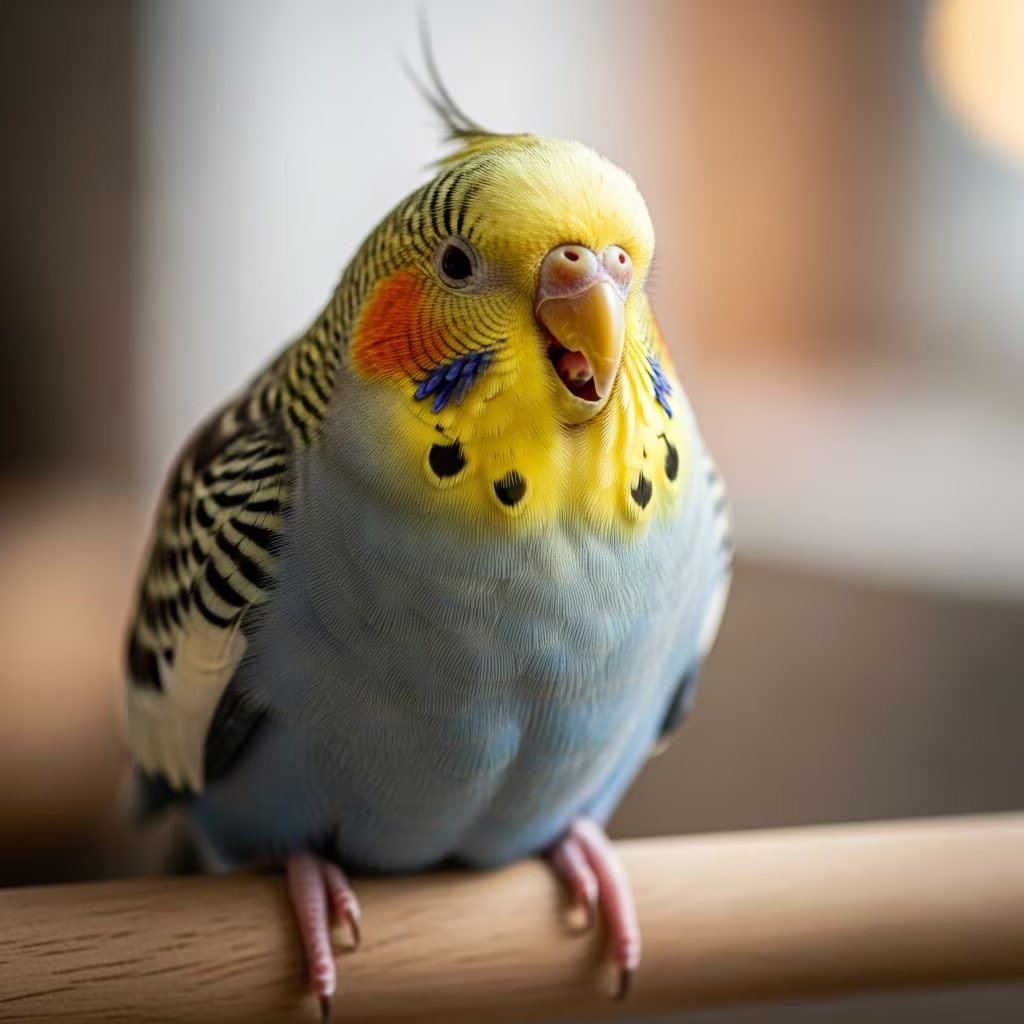
Understanding Pet Bird Choking: A Critical Health Concern
Choking represents one of the most serious and potentially life-threatening emergencies for pet birds. Unlike mammals with their straightforward airway anatomy, birds possess a unique respiratory system that makes them particularly vulnerable to choking hazards. Their specialized anatomy includes a crop—a specialized pouch-like structure at the base of the neck where food is stored before digestion—which can become obstructed and lead to serious complications. Understanding the risks, recognizing the warning signs, and knowing how to respond quickly can mean the difference between life and death for your feathered companion.
Common Choking Hazards for Pet Birds
Pet birds face numerous choking risks in their everyday environment. Identifying these hazards is the first step toward creating a safer living space for your avian friend.
Toy-Related Hazards
Toys designed for birds must be carefully selected and regularly inspected. Small parts, loose components, and detachable pieces pose significant risks. Rope toys require particular caution, as birds can chew the fibers, which may cause blockages in the crop, stomach, or gut. Cotton and natural fiber ropes are especially problematic because they are frequently consumed by birds. Long ropes can also create entanglement hazards. The safest toy choices include untreated wood, untreated paper products like cardboard, branches and foliage from Australian native plants, and robust hard plastic toys that are too large to be swallowed.
Food-Related Risks
Certain foods commonly given to pet birds can cause choking or obstruction. Large food pieces, seeds with sharp edges, and improperly prepared fresh foods all present dangers. Additionally, some foods are toxic to birds and should never be offered. These include avocado, chocolate, caffeine, alcohol, onions, and garlic.
Household Items and Environmental Hazards
Beyond designated toys and food, household items pose unexpected risks. Small objects, strings, ribbons, loose buttons, rubber bands, and debris can all become choking hazards if ingested. Fibrous materials such as wood shavings and coconut husk can cause blockages in the bird’s digestive system. Items dyed with toxic chemicals should also be avoided, as some dyes contain harmful substances even if certain vegetable dyes are considered safe.
Prevention Strategies: Creating a Safe Environment
Proper Toy Selection and Maintenance
When choosing toys for your pet bird, select items that are sturdy and appropriately sized. Ensure all toys have parts that are too large to be swallowed, and verify that any components are securely fastened together with non-toxic materials. Regularly inspect toys for developing dangers such as sharp edges, loose indigestible parts, or signs of wear and tear. Replace damaged toys immediately to prevent injury or ingestion of harmful materials.
Secure Attachment Methods
When securing toys to the cage, use appropriate fastening methods. Avoid split-ring or dog-clip type attachments that birds can get their beaks stuck in. Long cords or chains should also be avoided, as birds can become tangled in them. Opt for sturdier, safer attachment systems that cannot cause injury or become choking hazards themselves.
Careful Food Preparation and Monitoring
Cut all fresh foods into appropriately sized pieces that are manageable for your bird to chew and swallow. Monitor your bird during feeding times, especially when offering new foods or treats. Remove uneaten food promptly to prevent it from spoiling or posing additional hazards.
Home Environment Management
Keep your bird’s environment clean and clutter-free by regularly removing small objects, loose debris, and potential choking hazards. Store toxic items—including all cleaners, pesticides, insecticides, medications, and household chemicals—in secure, bird-proof locations out of reach. Remove toxic plants such as philodendron and lilies from areas where your bird has access.
Cage Placement and Setup
Position the cage away from the kitchen to protect your bird from fumes released by non-stick cookware and appliances. Keep windows and doors closed or use screens to prevent accidental escape. Ensure the cage is placed in a low-traffic area to minimize stress and disturbance. Secure heavy objects in the home to prevent birds from knocking them over while flying.
Recognizing Choking Symptoms in Pet Birds
Early recognition of choking symptoms is critical for prompt intervention. Bird owners should watch for the following signs that may indicate their pet is choking or experiencing an airway obstruction:
– Excessive coughing or gagging- Difficulty breathing or labored respiration- Pawing at the mouth or throat- Open-mouth breathing- Wheezing or unusual respiratory sounds- Bluish discoloration of the gums or cere (the fleshy area around the nostrils)- Unusual posturing or head positioning- Inability to swallow food or water- Drooling or discharge from the mouth- Loss of appetite or sudden refusal to eat- Lethargy or unusual behavior- Vomiting or regurgitation- Inability to vocalize normally
If you notice any of these symptoms, take immediate action. The longer an obstruction remains, the greater the risk of permanent damage or death.
Emergency Response: What To Do If Your Bird Is Choking
Initial Assessment
When you suspect your bird is choking, remain calm and assess the situation quickly. Determine whether the object is visible in your bird’s mouth or throat. If the bird is conscious and the obstruction is clearly visible and within reach, you may attempt careful removal. However, exercise extreme caution to avoid pushing the object further down the throat or injuring the bird’s delicate tissues.
The Heimlich Maneuver for Birds
Unlike humans, birds cannot safely undergo the traditional Heimlich maneuver due to their unique anatomy. However, gentle inversion and compressions may help dislodge an obstruction. If attempting this technique, support your bird’s body firmly while gently inverting it and applying light pressure to the abdomen. This should only be attempted if the bird is conscious and you are trained in the procedure.
Immediate Veterinary Care
Immediate veterinary care is crucial if choking is suspected, particularly if the object cannot be easily removed or if the bird is unconscious. Do not delay seeking professional help. Advanced diagnostic procedures such as radiographs (X-rays) or endoscopy may be necessary to locate and identify the obstruction. Your avian veterinarian has specialized equipment and expertise to safely remove foreign objects from your bird’s airway and digestive tract.
Supportive Care While Awaiting Veterinary Treatment
While arranging emergency veterinary care, provide supportive care to stabilize your bird. Set up a small, quiet cage in a low-traffic area to minimize stress and allow your bird to conserve energy. Place soft bedding to prevent injury or discomfort, as an affected bird may become weak or uncoordinated. Add a heating pad or lamp to maintain warmth, as affected birds can easily become cold. Position food and water close by but avoid forcing your bird to eat or drink; your veterinarian will advise on the best approach for fluid administration, possibly using a syringe or dropper. Dim the lighting to help keep your bird calm and reduce stimulation.
Long-Term Care and Recovery
The duration and nature of long-term care depend entirely on the severity and type of obstruction your bird experienced. Birds that successfully survive choking incidents may require monitoring for complications such as tissue damage, infection, or inflammation of the crop and esophagus. Follow your veterinarian’s post-treatment instructions carefully, which may include dietary modifications, medication administration, and follow-up examinations. Some birds may need a gradual return to normal feeding patterns, while others may require specialized diets temporarily.
Frequently Asked Questions About Pet Bird Choking
Q: What foods should I avoid giving my pet bird?
A: Avoid avocado, chocolate, caffeine, alcohol, onions, garlic, and foods with large seeds or sharp edges. Additionally, never offer foods containing toxic dyes or pesticides. When in doubt, consult your avian veterinarian before introducing new foods.
Q: How often should I inspect my bird’s toys?
A: Inspect toys at least weekly for signs of wear, loose parts, sharp edges, or damage. Replace any toys showing deterioration immediately to prevent choking hazards.
Q: Can I use rope toys safely with my bird?
A: Rope toys present significant risks due to their fibrous nature. If you choose to use them, supervise your bird closely and remove the toy immediately if your bird begins chewing the fibers. Better alternatives include untreated wood, cardboard, and hard plastic toys.
Q: What should I do if I see my bird choking but cannot remove the object?
A: Do not attempt to force removal if you cannot easily access the object. Contact your avian veterinarian or emergency animal clinic immediately. Gentle inversion and light abdominal pressure may help, but professional intervention is crucial.
Q: How can I tell if my bird has a partial obstruction rather than complete choking?
A: Partial obstructions may present with milder symptoms such as difficulty swallowing, reduced appetite, or occasional coughing. If your bird shows any of these signs persistently, seek veterinary evaluation promptly, as partial obstructions can progress to complete blockages.
Q: Are there specific bird species more prone to choking?
A: Smaller bird species and younger birds may be at higher risk due to their smaller throat diameters and less developed judgment. However, birds of all species and ages can choke, so preventive measures apply universally.
Q: What is a bird’s crop and why is it important in choking?
A: The crop is a pouch-like enlargement of the esophagus at the base of a bird’s neck that stores food before digestion. When obstructed, it can cause serious complications. Understanding this anatomy helps explain why choking in birds is particularly serious.
Summary: Protecting Your Pet Bird from Choking
Choking represents a serious health threat to pet birds, but with proper prevention strategies, careful environmental management, and knowledge of emergency response, you can significantly reduce the risk. Select safe toys, provide appropriately prepared food, maintain a clean environment free of hazards, and remain vigilant during feeding and play times. Learn to recognize the signs of choking, understand the unique challenges of bird anatomy, and know when to seek emergency veterinary care. By combining these preventive measures with attentive supervision and quick action in emergencies, you can help ensure your feathered companion enjoys a long, healthy, and safe life in your home.
References
- How To Prevent Choking In Pets — The Natural Dog. 2024. https://www.thenaturaldogonline.com/content/how-to-prevent-choking-in-pets
- How will I keep my bird safe against household hazards? — RSPCA Australia. 2024. https://kb.rspca.org.au/knowledge-base/how-will-i-keep-my-bird-safe-against-household-hazards/
- Bird Safety Alert: 15 Everyday Items That Can Poison Birds — Bird Supplies. 2024. https://birdsupplies.com/blogs/news/bird-safety-alert-15-everyday-items-that-can-poison-birds
- Pet Bird Choking — Whiskers, Paws and Love. 2024. https://whiskerspawslove.org/article/pet-bird-choking/
- How to Pick Safe Bird Toys — Best Friends Animal Society. 2024. https://bestfriends.org/pet-care-resources/how-pick-safe-bird-toys
- 16 Foods That Are Harmful or Poisonous to Pet Birds — Chewy. 2024. https://www.chewy.com/education/bird/food-and-nutrition/dont-feed-your-pet-bird-these-6-foods
- Birds | Healthy Pets, Healthy People — Centers for Disease Control and Prevention. 2024. https://www.cdc.gov/healthy-pets/about/birds.html



