
Pet Bathing Health Risks: Essential Safety Guidelines
Learn how to protect your pet during bath time with evidence-based safety practices
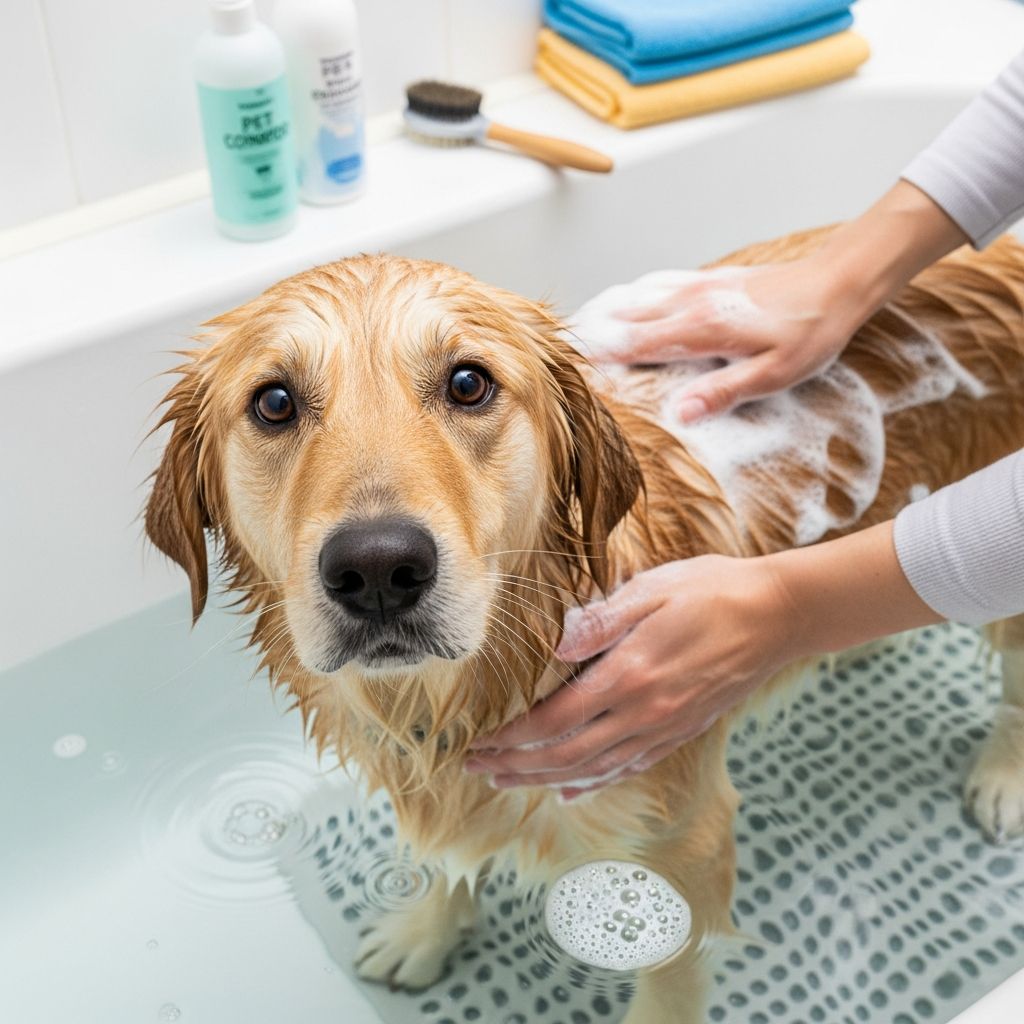
Bathing your pet is a fundamental aspect of pet ownership and hygiene maintenance. However, many pet owners underestimate the potential health complications that can arise from improper bathing techniques or inadequate preparation. While most pets tolerate bath time reasonably well, without proper precautions, what should be a routine grooming session can quickly escalate into a veterinary emergency. Understanding the specific risks associated with pet bathing and implementing preventive measures can significantly reduce complications and ensure a safer, more comfortable experience for your animal companion.
The Importance of Pre-Bath Preparation and Matting Prevention
One of the most overlooked aspects of pet bathing is the preparation phase. Many pet owners assume they can bathe their pet and simultaneously address existing matting issues through water and shampoo alone. This approach poses serious health risks that warrant immediate attention.
Matted fur creates a hostile environment for your pet’s skin health. When a pet’s coat becomes matted and is then exposed to water during bathing, the moisture becomes trapped within the tightly woven hair. As the mats dry following the bath, they tighten further, creating increased tension that pulls directly on the underlying skin. This combination of persistent moisture and mechanical tension creates ideal conditions for bacterial and fungal infections to develop beneath the mat. The skin in these areas becomes irritated, warm, and susceptible to secondary infections that may require veterinary intervention.
Pet owners attempting to remove mats themselves often resort to scissors or clippers, which presents another significant danger. Veterinarians routinely treat patients who have suffered lacerations, puncture wounds, and severe skin damage from do-it-yourself mat removal attempts. The close proximity between matted fur and delicate skin makes it remarkably easy to accidentally cut or pierce the skin beneath, resulting in wounds that require suturing and antibiotic treatment.
Best Practice: Always thoroughly brush or clip out existing mats before any bathing occurs. If mats are severe or close to the skin, consult a professional groomer or veterinarian for safe removal.
Selecting Appropriate Bathing Products for Your Pet
The products you choose for your pet’s bath significantly impact their skin health and overall safety. A critical error many pet owners make is using human grooming products on their animals.
Human shampoos and conditioners are specifically formulated for human hair and scalp pH, which differs substantially from that of pets. These products often contain ingredients that are inappropriate for animal use, particularly given that pets will inevitably lick their wet fur during and after bathing. Common human hair care ingredients such as tea tree oil and anti-dandruff medications may be too harsh for your pet’s skin, causing irritation, allergic reactions, or toxicity if ingested.
Pet-specific shampoos are formulated with your animal’s unique dermatological needs in mind. They maintain the appropriate pH balance for your pet’s skin and contain ingredients that are safe if ingested through normal grooming behavior. If you find yourself without pet shampoo and need to bathe your animal immediately, only use a tear-free baby formula as an emergency substitute. Never improvise with adult human products, as the consequences can range from skin irritation to serious systemic toxicity depending on the ingredients involved.
Eye Protection During the Bathing Process
The eyes represent one of the most sensitive and vulnerable areas during pet bathing. Many pets instinctively struggle during bath time, flailing and moving unpredictably in an attempt to escape the water and unfamiliar environment. This natural defensive behavior significantly increases the risk of shampoo or soap entering the eyes.
Shampoo contact with the eye can cause immediate irritation and potentially serious complications. Mild exposure results in obvious discomfort, characterized by excessive squinting, eye closure, and attempts to rub the affected eye. More serious outcomes include corneal ulceration—a painful condition involving damage to the transparent outer layer of the eye. Corneal ulcers cause significant pain and can potentially compromise vision if left untreated.
If shampoo enters your pet’s eye during bathing, rinse thoroughly with saline eye wash solution. Following bathing, monitor your pet closely for continued squinting or eye discomfort. If squinting persists beyond one hour after the bath, seek immediate veterinary examination, as this may indicate a developing corneal ulcer that requires professional diagnostic testing and treatment.
Preventive measure: Before bathing, apply a small amount of sterile ophthalmic lubricant containing petrolatum and mineral oil around the eye area to create a protective barrier against soap and water intrusion.
Managing Water Temperature for Pet Comfort and Safety
The temperature of bathwater significantly influences both your pet’s immediate comfort level and their long-term attitude toward bathing. Improper water temperature can create negative associations that persist for years, making future grooming attempts increasingly difficult.
Water that is excessively hot causes discomfort, stress, and potential thermal injury to your pet’s skin. Conversely, water that is too cold triggers anxiety and creates an unpleasant sensory experience that your pet will actively resist in future bathing situations. The goal is to maintain water at a comfortably warm temperature—similar to what you would use for bathing an infant.
Temperature testing method: Before exposing your pet to the water, test the temperature on your forearm, which is more sensitive to temperature variations than your hands. If the water feels comfortably warm to this sensitive area, it will be appropriate for your pet.
In addition to absolute water temperature, sudden temperature fluctuations during bathing create stress and negative conditioning. Maintain consistent temperature throughout the rinsing process by pre-adjusting water settings before bathing begins. Pets exposed to sudden temperature changes develop increased anxiety around bath time and may begin demonstrating avoidance behaviors in response to perceived threats.
Comprehensive Rinsing and Residue Prevention
Incomplete rinsing of shampoo and conditioner represents a frequently overlooked bathing error with significant health consequences. Shampoo residue left on your pet’s skin disrupts the natural pH balance of their coat and skin microbiome.
When residual shampoo remains on the skin, it creates an environment conducive to dermatological complications including contact dermatitis, secondary bacterial infections, and excessive itching. The disruption of normal skin flora allows opportunistic bacteria and fungi to proliferate, leading to infections that may require topical or systemic antimicrobial treatment. Additionally, residual product buildup can attract dirt and allergens, creating a cycle of ongoing skin irritation and discomfort.
Rinsing protocol: Rinse thoroughly until water runs completely clear and no soap residue remains. This typically requires multiple rinse cycles, particularly in areas with heavy coat density such as the underarms, belly, and base of the tail—areas where pets often curl up during bathing, making thorough cleaning and rinsing difficult.
Hygiene Considerations and Cross-Contamination Risk
Using your household bathtub for pet bathing introduces potential hygiene concerns that vary in severity depending on your household composition and your pet’s health status.
The overall risk of disease transmission from a healthy pet to healthy household members through shared bathtub use is generally low. However, specific situations warrant increased caution and alternative bathing methods. High-risk pet factors include active diarrhea, open wounds or skin infections, fecal contamination of the coat, or age-related vulnerability (young puppies or kittens are more likely to carry infectious organisms).
High-risk people who face elevated infection risk from shared bathtub use with pets include those who are immunocompromised, have open skin lesions or chronic skin conditions, are very young or elderly, or are pregnant. In these situations, bathing pets outside, in a laundry room sink, or through professional grooming services represents the safer approach.
If household circumstances necessitate bathing pets in the main bathtub, thorough cleaning and disinfection following the bath is essential. Use appropriate cleaning products and allow adequate contact time for disinfectants to be effective before the tub is used by household members.
Physical Safety Considerations During Bathing
Beyond the specific health risks discussed above, the physical environment of the bathing space itself presents injury risks for both pets and their owners.
Slip and fall hazards arise from wet bathroom floors and slippery bathtub surfaces. Pets standing in soapy water within a bathtub lose secure footing, increasing anxiety and risk of falls that can result in sprains, muscle strains, or fractures. For pet owners, lifting wet pets in and out of tubs creates ergonomic stress and fall hazards, particularly for owners with back problems or limited mobility. The physical demands of bathing a struggling pet in a confined space are frequently underestimated but represent genuine safety concerns for both parties.
Pet anxiety and flailing behavior during bathing can result in property damage including tile cracks, fixture damage, and scratches to bathroom surfaces. In luxury bathroom installations with specialized fixtures, a single chaotic bathing session can result in expensive repairs.
Frequency and Overall Bathing Philosophy
Beyond the mechanics of individual bathing sessions, the frequency of bathing influences long-term skin and coat health. Excessive bathing removes natural oils from your pet’s skin and coat, leading to dryness, increased itching, and susceptibility to skin conditions. Conversely, infrequent bathing allows dirt, allergens, and skin oils to accumulate, potentially causing odor and itching.
Most pets benefit from bathing approximately every 4-12 weeks, though this varies based on breed, activity level, coat type, and individual skin conditions. Consulting with your veterinarian regarding appropriate bathing frequency for your specific pet ensures you maintain an optimal balance between cleanliness and skin health.
Professional Bathing Alternatives
Given the various risks and physical demands associated with home bathing, professional grooming services offer a practical alternative. Professional groomers possess specialized training, equipment, and facilities designed specifically for pet bathing. They understand breed-specific needs, can properly handle anxious animals, and possess expertise in identifying potential health concerns during grooming. For many pet owners, particularly those with large dogs, multiple pets, or mobility limitations, professional grooming represents the optimal approach to pet hygiene maintenance.
Key Takeaways for Safe Pet Bathing
- Pre-bath preparation is essential: Brush or clip out all mats before bathing to prevent skin infections and injury during removal attempts
- Use pet-specific products: Never use human shampoos or conditioners, which can cause skin irritation and toxicity
- Protect sensitive areas: Apply lubricant around eyes and monitor for signs of soap contact injury
- Maintain appropriate water temperature: Test water on your forearm before exposing your pet to prevent thermal discomfort and negative conditioning
- Rinse thoroughly: Ensure complete removal of all shampoo residue to prevent pH imbalance and skin infections
- Consider alternatives: Professional grooming eliminates many home bathing risks and may be the optimal choice for your situation
- Know your household risk factors: If household members or pets are immunocompromised or have open wounds, avoid home bathing
Frequently Asked Questions
What should I do if shampoo gets in my pet’s eyes?
Rinse the eye immediately with saline eye wash solution. Monitor for continued squinting or discomfort beyond one hour post-bath. If squinting persists, contact your veterinarian for examination to rule out corneal ulceration.
How often should I bathe my pet?
Most pets benefit from bathing every 4-12 weeks, depending on breed, activity level, coat type, and skin conditions. Consult your veterinarian for personalized recommendations.
Can I use baby shampoo on my pet?
Tear-free baby shampoo can be used as an emergency substitute if pet shampoo is unavailable, but should not become routine practice. Pet-specific products are always preferable.
What water temperature is safest for pets?
Lukewarm water, tested on your forearm to ensure comfort, is appropriate for pet bathing. Water should never be hot or cold enough to create discomfort.
When should I seek professional grooming instead of bathing at home?
Professional grooming is recommended if you have mobility limitations, large or multiple pets, immunocompromised household members, or pets with behavioral anxiety around bathing.
References
- Why You Should Avoid Bathing Your Pet in the Bathtub — Giving Tree. https://www.givingtreehome.com/blogs/news/why-you-should-avoid-bathing-your-pet-in-the-bathtub
- Can Bath Time be Dangerous for Pets? — The Animal Medical Center. https://www.amcny.org/blog/2016/11/30/can-bath-time-dangerous-pets/
- Dog Bathing Safety: Top Reasons to NOT Bathe Your Dog in the Tub — The Zip Spa. https://thezipspa.com/dog-bathing-safety-top-reasons-to-not-bathe-your-dog-in-the-tub/
- Baby Accidents and Dog Baths — Worms & Germs Blog. https://www.wormsandgermsblog.com/2009/02/articles/animals/cats/baby-accidents-and-dog-baths/
- 8 Common Bathing Mistakes That Can Damage Your Pet’s Coat — Superior Care. https://www.superiorcare.pet/blogs/news/bathing-mistakes-pet-coat
- 7 Common Bath-Time Mistakes Pet Owners Make — PetMD. https://www.petmd.com/dog/slideshows/7-common-bath-time-mistakes-pet-owners-make
Similar Articles








Read full bio of medha deb


