

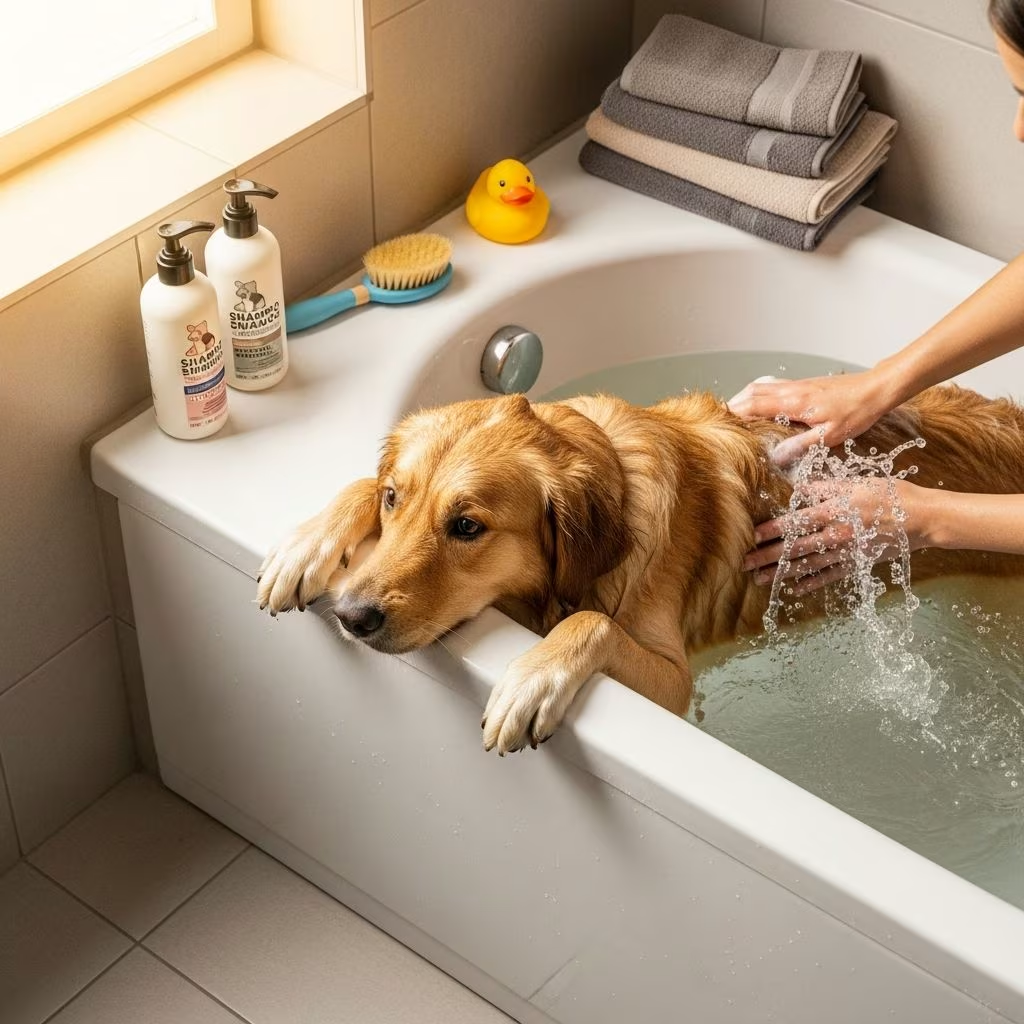
Keeping your beloved companion clean is one of the most fundamental aspects of pet ownership, yet many pet owners feel uncertain about the bathing process. Whether you have a dog, cat, or other furry friend, understanding how to properly bathe your pet ensures their skin and coat remain healthy while creating a positive experience for both you and your animal. This comprehensive guide walks you through everything you need to know to transform bath time from a stressful ordeal into a manageable and even enjoyable routine.
Understanding Why Regular Pet Bathing Matters
Bathing your pet serves multiple important purposes beyond simply removing dirt and odors. Regular baths help eliminate dead skin cells, distribute natural oils throughout the coat, and allow you to inspect your pet’s skin for any unusual lumps, bumps, or signs of irritation that might require veterinary attention. Additionally, bathing can help reduce allergens, control parasites, and maintain overall skin health. The frequency of bathing depends on several factors including your pet’s coat type, activity level, skin conditions, and lifestyle, so understanding your individual pet’s needs is essential for developing an appropriate bathing schedule.
Pre-Bath Preparation: Setting the Foundation for Success
The key to a smooth bathing experience begins long before water touches your pet’s fur. Proper preparation significantly reduces stress and makes the entire process more efficient. Start by gathering all necessary supplies within arm’s reach of your bathing area, ensuring you won’t need to leave your pet unattended during the process.
Essential Supplies Checklist
- Pet-specific shampoo – Choose a formula suited to your pet’s coat type and any skin sensitivities they may have
- Conditioning products – Optional but beneficial for maintaining coat softness and manageability
- Non-slip bathing mat – Critical for preventing anxiety caused by slippery surfaces
- Soft towels – Multiple towels ensure you can dry your pet thoroughly
- Washcloth or soft sponge – Useful for gently cleaning sensitive facial areas
- Water pitcher or cup – Allows controlled water application rather than overwhelming spray
- Brush or comb – For pre-bath grooming and post-bath detangling
- Ear protection or cotton balls – Prevents water from entering ear canals
- High-value treats – Essential for positive reinforcement throughout the process
- Optional calming aids – Soft background music can create a relaxing atmosphere
Selecting the Ideal Bathing Location
Your choice of bathing location significantly impacts how comfortable your pet feels. For smaller pets, a kitchen sink offers an ergonomic advantage, keeping your back from straining during the entire process while keeping your pet close and contained. Medium to large pets typically require a standard bathtub, which provides adequate space for movement while maintaining control. Ensure your chosen location has good ventilation and is warm enough that your pet won’t become chilled. Some pet owners prefer outdoor bathing during warm weather months, which can reduce mess inside the home, though indoor bathing provides better temperature control and safety.
Pre-Bath Grooming Steps
Before introducing water, thoroughly brush your pet’s entire coat to remove mats, tangles, and loose hair. This preliminary grooming step prevents matting that can occur when wet hair becomes tangled, makes shampooing more effective, and reduces the amount of loose fur that will shed during the bath. Pay special attention to areas prone to matting, such as behind the ears, under the armpits, and along the back legs. For pets with severe matting, consider having a professional groomer address these issues before attempting a bath at home.
Acclimating Your Pet to the Bathing Experience
Many pets experience anxiety around bathing, particularly if they’ve had negative experiences in the past. Building positive associations with bathing equipment and environments takes patience but pays dividends in reduced stress during actual bathing sessions. Begin by introducing your pet to bathing supplies individually, allowing them to investigate towels, shampoo bottles, and the bathing area without water present. Practice having your pet stand in the empty tub or sink, rewarding calm behavior with treats and praise. This gradual desensitization process helps your pet understand that bathing need not be frightening.
When you’re ready to introduce water, start with the quietest method available—a gentle cup pour rather than a loud spray that might startle your pet. Moving slowly and maintaining a calm, reassuring tone throughout the process communicates safety to your pet. Never force your pet into water or use punishment; instead, focus on creating positive associations through treats, gentle handling, and a relaxed demeanor. If your pet shows extreme distress, consult with a veterinary behaviorist or professional groomer about stress-reduction techniques or sedation options.
The Bathing Process: Step-by-Step Execution
Water Temperature and Wetting Technique
Begin by filling your bathing area with lukewarm water—comfortable to the touch on your inner wrist and neither hot nor cold. Pets are sensitive to extreme temperatures, and water that’s too hot can damage their skin while cold water causes discomfort and promotes anxiety. Using a pitcher or cup filled with this lukewarm water, begin wetting your pet’s coat gradually, starting at the base of the neck and working systematically down the back, sides, and toward the tail. This systematic approach ensures thorough wetting while allowing your pet time to acclimate to the sensation. Avoid directing water toward the face, ears, and eyes, as these sensitive areas can cause distress if water enters them.
When wetting the underside and legs, move slowly and allow water to drain away from the body rather than pooling. Many pets feel vulnerable when their underside is wet, so extra gentleness in these areas helps maintain their sense of security throughout the process.
Shampooing Strategy
Once your pet’s coat is thoroughly wetted to the skin, apply an appropriate quantity of pet shampoo and begin working it into the coat with gentle, circular massage motions. Start at the chest and shoulder area, then progress to the sides, back, front legs, back legs, and finally the tail. Use enough shampoo to create a good lather, as this helps loosen dirt and oils from the coat. For medicated or specialized shampoos, allow the product to remain on the coat for the time recommended by the manufacturer—typically five to ten minutes—to maximize its therapeutic benefits. During this waiting period, you can continue gentle massage or allow your pet time to relax.
For facial washing, use a damp washcloth or soft sponge to gently cleanse around the muzzle, cheeks, and chin. Avoid the eyes and ear openings, instead using a dry cotton ball to gently wipe around these sensitive areas if needed. Some owners prefer to leave the face for last and clean it with minimal water, using a damp cloth rather than rinsing with water.
Thorough Rinsing: The Most Critical Step
Incomplete rinsing represents one of the most common mistakes in pet bathing, leaving shampoo residue that causes dry, itchy skin and promotes dandruff. Fill your pitcher repeatedly with clean, lukewarm water and pour it slowly over your pet’s body, running your fingers through the coat as you rinse to dislodge soap particles hiding in the fur. Pay particular attention to the underside, between the legs, behind the ears, and the tail—areas where shampoo residue commonly remains. Rinse until the water runs completely clear with no visible suds, then continue rinsing for an additional minute to ensure complete removal. Many veterinarians recommend this over-rinsing approach as essential for preventing skin problems.
Post-Bath Drying and Care
Initial Towel Drying
After rinsing, allow your pet to perform their natural shake—this involuntary action removes a surprising amount of water. Immediately afterward, wrap your pet in a large, soft towel and gently massage the towel against their body to absorb moisture. Start with the back and sides, then work toward the underside and legs, paying special attention to the tail. The goal is not to rub vigorously, which can cause tangling and matting, but rather to press the towel gently against the coat to absorb water. Have multiple towels available so you can switch to a drier one if the first becomes saturated.
Heat Drying Considerations
For long-haired, double-coated, or curly-haired pets, heat drying after toweling provides additional benefits and helps prevent moisture from remaining at the skin level, which can promote fungal growth. If you choose to use a hair dryer, set it to the lowest heat setting and maintain it at a safe distance from your pet’s skin—at least six inches away. Keep the dryer in constant motion to prevent heat concentration on any single area. Never direct heat toward your pet’s face or ears. Some owners prefer air-drying naturally after thorough toweling, which eliminates heat concerns but requires more time and may result in slightly dampness longer. Monitor your pet during air-drying to prevent them from rolling in dirt or getting chilled.
Post-Bath Grooming
Once your pet is dry, use a brush or comb to work through their coat, removing any tangles that may have formed during bathing. This grooming session serves dual purposes: it helps distribute natural oils throughout the coat and allows you to inspect the skin for any issues that need attention. Finish the bathing experience on a positive note by rewarding your pet with their favorite treat and plenty of praise, reinforcing that bathing results in good things.
Special Situations and Considerations
Pets with Sensitive Skin
Pets prone to allergies, dermatitis, or other skin conditions require special attention during bathing. Always test new shampoo products on a small patch of skin twenty-four hours before full-body application to identify potential reactions. Hypoallergenic and fragrance-free shampoos reduce the risk of irritation. Consider consulting your veterinarian for product recommendations suited to your pet’s specific skin condition, and follow all instructions regarding contact time and rinsing carefully.
Managing Anxiety and Fear
For pets with significant bath anxiety, several strategies can help. Some owners find that allowing their pet to wear a harness during bathing provides a sense of security. Others use distraction techniques such as lick mats filled with frozen treats to occupy their pet’s attention during the process. In severe cases, professional groomers with experience handling anxious pets may be worth the investment, as their techniques often succeed where home bathing attempts fail.
Frequently Asked Questions
How Often Should I Bathe My Pet?
Bathing frequency depends on coat type, activity level, and skin health. Dogs with normal, healthy skin typically need bathing every four to eight weeks, though those with oily coats may benefit from more frequent bathing. Dogs with dry skin or sensitivity may need bathing less frequently—potentially only every six to twelve weeks. Cats rarely require bathing unless they get into something particularly dirty, as they maintain their own hygiene through grooming.
Can I Use Human Shampoo on My Pet?
Human shampoo should not be used on pets. Pet shampoos are formulated to match the pH balance of animal skin, which differs significantly from human skin. Using human products can disrupt your pet’s skin barrier, cause irritation, and potentially lead to infections or other skin problems.
What Should I Do If My Pet Gets Shampoo in Their Eyes?
If shampoo accidentally enters your pet’s eye, immediately flush the eye gently with lukewarm water using a clean cloth. If irritation persists beyond a few minutes or your pet shows signs of pain, contact your veterinarian. This is why preventing water in the eyes during bathing is so important.
Is It Normal for My Pet to Shake Water Everywhere After Bathing?
Yes, the post-bath shake is a completely normal and involuntary response that helps your pet remove water from their coat. Anticipating this shake by standing back or positioning your pet near a drain helps minimize mess. Some owners bathe their pets outdoors specifically to avoid this cleanup challenge.
Creating a Sustainable Bathing Routine
Successfully bathing your pet at home requires establishing a consistent routine that works for both you and your animal. Mark bathing dates on your calendar so you maintain an appropriate schedule, and consider bathing your pet on a day when you have adequate time to complete the process without rushing. Building positive associations through treats, praise, and calm handling ensures that each bathing session becomes easier than the last. Over time, many pets transition from viewing bath time as a stressful event to accepting it as a normal part of their care routine.
Remember that patience is essential—some pets may never enthusiastically embrace bathing, and that’s acceptable. What matters is that you maintain their hygiene safely while minimizing stress. If home bathing consistently proves challenging, professional grooming services remain a valid option that ensures your pet receives necessary cleaning while being handled by experienced professionals.
References
- Step-by-Step Guide to Bathing and Shampooing Your Pet — Angie’s Mobile Pet Styling. https://www.angiesmobilepetstyling.com/pet-grooming/step-by-step-guide-to-bathing-and-shampooing-your-pet/
- The Ultimate Guide on How to Bathe Your Dog — Wahl USA. https://wahlusa.com/how-to/pet-grooming-guides/dog-care/bathing
- How To Bathe a Dog: Expert Tips for Safe Home Grooming — PetMD. https://www.petmd.com/dog/grooming/how-to-bathe-a-dog
- The Comprehensive Dog Owner’s Guide to Stress-Free Dog Baths — EMI Pet. https://www.emipet.com/columbus/blog/2024/the-comprehensive-dog-owners-guide-to-stress-free-dog-baths.html
- Guide To Dog Cleaning And Grooming — RSPCA Pet Insurance. https://www.rspcapetinsurance.org.au/pet-care/dog-care/dog-grooming-guide



