

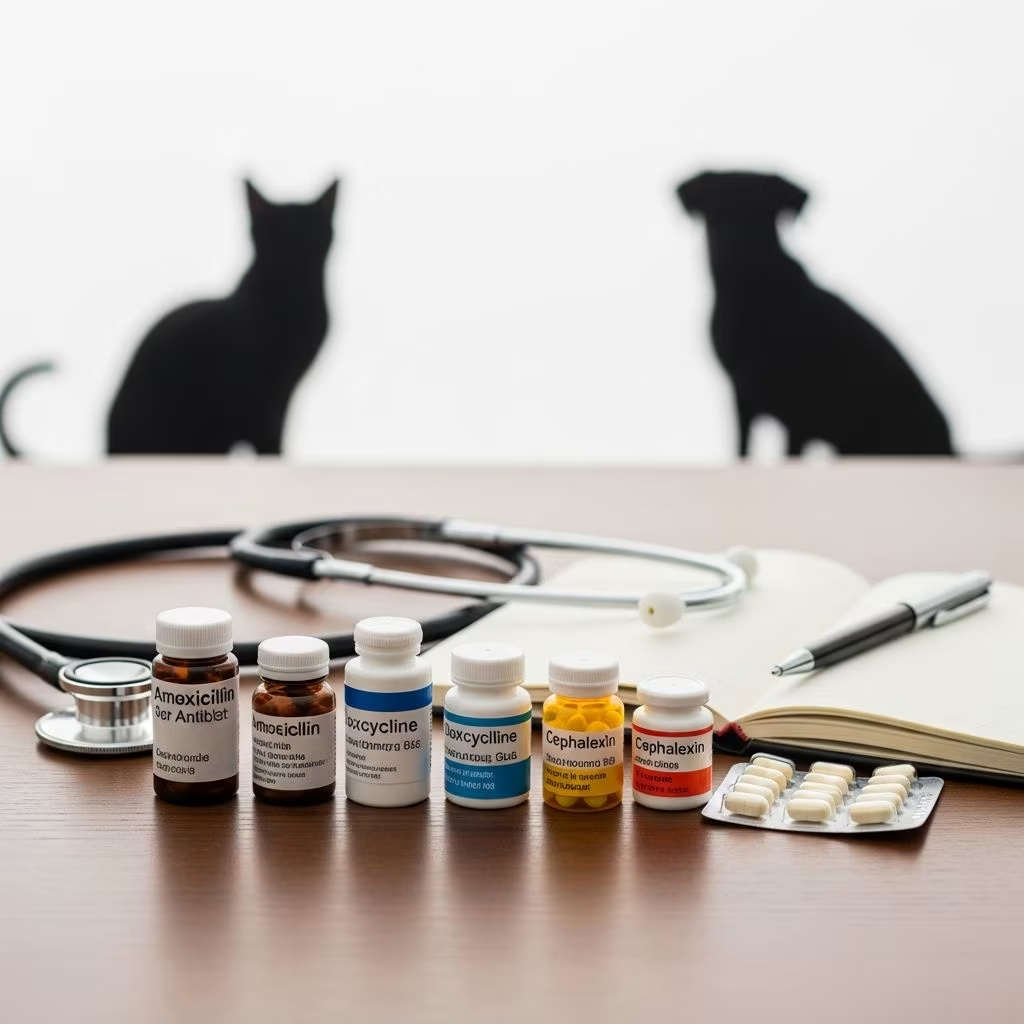
Antibiotics play a crucial role in treating bacterial infections in pets, particularly dogs and cats, when prescribed appropriately by veterinarians. These medications target harmful bacteria while sparing the pet’s beneficial microbes, but misuse can lead to resistance and health complications. This guide covers antibiotic types, applications, administration, risks, and stewardship principles to help pet owners make informed decisions alongside their vets.
Understanding Antibiotics in Veterinary Medicine
Antibiotics are drugs designed to combat bacterial infections that pets cannot resolve naturally. They work by either inhibiting bacterial growth or directly killing bacteria, depending on the class. Vets select antibiotics based on the infection site, bacterial type (identified via culture tests when possible), pet’s age, health status, and local resistance patterns. Unlike viral or fungal issues, antibiotics are ineffective against non-bacterial pathogens, emphasizing the need for accurate diagnosis.
In dogs and cats, common bacterial targets include skin pathogens, urinary tract invaders, and respiratory microbes. Guidelines from organizations like the American Association of Feline Practitioners (AAFP) and American Animal Hospital Association (AAHA) stress stewardship—using the right drug at the right dose for the right duration—to preserve antibiotic efficacy.
Common Types of Antibiotics for Pets
Veterinarians prescribe various antibiotic classes tailored to specific infections. Below is an overview of frequently used ones for dogs and cats, including mechanisms and typical applications.
- Penicillins (e.g., Amoxicillin, Amoxicillin-Clavulanate/ Clavamox): These disrupt bacterial cell wall synthesis. Effective against skin, urinary tract (UTIs), ear, gastrointestinal, and respiratory infections. Clavamox combines amoxicillin with clavulanate to overcome bacterial resistance.
- Cephalosporins (e.g., Cephalexin, Cefpodoxime, Cefovecin): Broad-spectrum options that block cell wall formation. Used for skin infections (pyoderma, wounds), UTIs, respiratory issues, and bone/joint infections, especially if penicillins fail or allergies exist. Oral, injectable, or topical forms available.
- Fluoroquinolones (e.g., Enrofloxacin, Marbofloxacin): Concentration-dependent killers ideal for severe infections like those from Pseudomonas aeruginosa. Dosed once daily for UTIs, respiratory, and skin issues; high importance rating requires judicious use.
- Aminoglycosides (e.g., Gentamicin): Potent against gram-negative bacteria like E. coli. Often topical for skin hot spots or ear infections; systemic use limited due to kidney/ear toxicity risks.
- Tetracyclines (e.g., Doxycycline): Time-dependent with broad coverage for respiratory (e.g., kennel cough), tick-borne, and some UTIs. Avoid in puppies/pregnant pets due to tooth discoloration.
- Sulfonamides (e.g., Trimethoprim-Sulfamethoxazole): Inhibit folic acid production for UTIs, bronchitis, and protozoal issues like coccidiosis.
- Other Classes: Nitroimidazoles like Metronidazole for anaerobes and gastrointestinal issues; Chloramphenicol for resistant systemic infections (monitored closely for blood effects).
| Antibiotic Class | Example Drugs | Key Uses in Pets | Administration Notes |
|---|---|---|---|
| Penicillins | Amoxicillin, Clavamox | Skin, UTI, respiratory | Oral liquid/chewable, q8-12h |
| Cephalosporins | Cephalexin, Cefpodoxime | Skin, UTI, bone | Oral q12h or injectable |
| Fluoroquinolones | Enrofloxacin | Respiratory, severe UTI | PO q24h, high importance |
| Aminoglycosides | Gentamicin | Skin/ear (topical) | IM/IV cautious systemic |
Infections Treated with Pet Antibiotics
Antibiotics address bacterial invasions in multiple body systems. Accurate identification via symptoms, exams, or cultures guides therapy.
- Skin and Soft Tissue: Pyoderma, abscesses, hot spots, surgical wounds. Cephalexin or Cefpodoxime common.
- Urinary Tract: Cystitis, pyelonephritis. ISCAID guidelines recommend culture-directed choices like fluoroquinolones for complicated cases.
- Respiratory: Pneumonia, bronchitis, kennel cough. Doxycycline or Clavamox per ARS resources.
- Ears and Eyes: Otitis, conjunctivitis. Topical aminoglycosides or oral Cephalexin.
- Gastrointestinal and Systemic: Anaerobic infections, sepsis. Metronidazole or Chloramphenicol.
For eyes, antimicrobials like fluoroquinolones are dosed frequently due to short half-lives; GI side effects common.
Administering Antibiotics to Pets
Success hinges on correct dosing, duration, and route. Time-dependent antibiotics (e.g., penicillins) need levels above MIC 50-80% of the interval; concentration-dependent (e.g., fluoroquinolones) prioritize high peaks.
- Oral: Hide in food (pork-flavored Clavamox palatable); give with meals to reduce nausea.
- Injectable/Topical: Vets handle IV/IM; sprays for hot spots.
- Duration: Typically 7-14 days; complete full course to prevent relapse/resistance.
Puppies, pregnant pets, or those with kidney/liver issues require adjusted doses. Famciclovir for feline herpes needs 90 mg/kg q12h in cats.
Potential Side Effects and Risks
While safe when vet-prescribed, antibiotics can cause issues:
- Gastrointestinal: Vomiting, diarrhea, appetite loss (most common).
- Allergic Reactions: Rash, swelling, anaphylaxis (rare; penicillins/cephalosporins).
- Toxicity: Aminoglycosides harm kidneys/ears; tetracyclines stain teeth.
- Resistance: Overuse fosters superbugs; stewardship mitigates this.
- Other: Chloramphenicol risks bone marrow suppression; monitor bloodwork.
Probiotics may help restore gut flora post-treatment.
Veterinary Guidelines for Responsible Use
AAFP/AAHA and ISCAID promote stewardship: culture when possible, use narrow-spectrum first, avoid high-importance drugs (e.g., fluoroquinolones) unless necessary. Victoria’s ag guide rates antibiotics by importance, reserving critical ones for failures. Never use human leftovers—doses differ.
FAQs on Pet Antibiotics
Are antibiotics safe for my dog or cat?
Yes, when prescribed correctly by a vet. Side effects are possible but manageable; consult for specifics.
What are the most common antibiotics for dogs?
Amoxicillin, Cephalexin, Clavamox, Doxycycline, Enrofloxacin.
Can I give my pet human antibiotics?
No—doses, formulations, and safety differ. Always get vet prescriptions.
How long do pet antibiotics take to work?
Improvement in 48-72 hours; finish the course.
What if my pet vomits after a dose?
Contact vet; may need alternative or anti-nausea med.
Pet owners should partner with vets for diagnostics and follow-ups. Responsible antibiotic use protects pets and public health.
References
- Antibiotics for dogs: The complete guide and 16+ types — Dutch. 2024. https://www.dutch.com/blogs/dogs/antibiotics-for-dogs-guide
- Guide for Antimicrobial Use in Dogs and Cats — Agriculture Victoria (government). 2023. https://agriculture.vic.gov.au/__data/assets/pdf_file/0010/605764/AGVIC_A5_SmallAnimals_Flipbook.pdf
- Antimicrobial Use in Animals – Pharmacology — Merck Veterinary Manual. 2025. https://www.merckvetmanual.com/pharmacology/systemic-pharmacotherapeutics-of-the-eye/antimicrobial-use-in-animals
- 2022 AAFP/AAHA Antimicrobial Stewardship Guidelines — AAFP. 2024. https://catvets.com/wp-content/uploads/2024/01/2022-AAFP-AAHA-Antimicrobial-Guidelines.pdf
- AAFP/AAHA antimicrobial stewardship guidelines — AVMA. 2024. https://www.avma.org/resources-tools/avma-policies/aafpaaha-antimicrobial-stewardship-guidelines
- Guidelines | ISCAID — ISCAID. 2019 (updated relevance for UTIs). https://www.iscaid.org/guidelines



