
Completing Your Pet’s Antibiotic Course: Why It Matters
Understanding why finishing antibiotics protects your pet and public health.
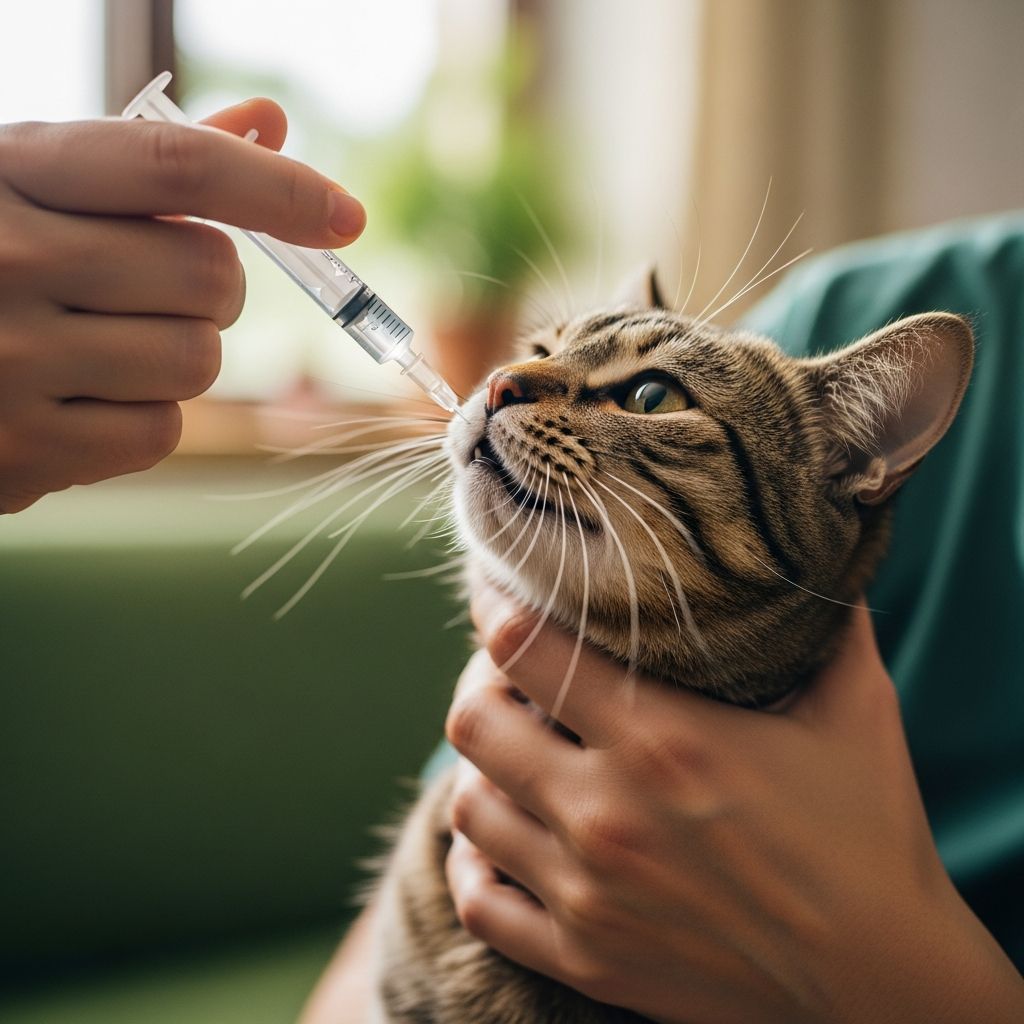
When your veterinarian prescribes antibiotics for your pet, the instructions typically include a specific duration—often seven to fourteen days depending on the infection type and severity. Many pet owners wonder whether they can discontinue treatment once their animal appears healthier, a common misconception that can have serious consequences. The reality is that completing the full prescribed antibiotic course is essential, even when symptoms disappear within days.
Understanding Antibiotics and Their Function
Antibiotics represent a specific category of antimicrobial medications designed to combat bacterial infections in animals. Unlike antimicrobials that target viruses, fungi, or parasites, antibiotics work exclusively against bacteria by either killing these microorganisms or inhibiting their growth. Veterinarians prescribe antibiotics only when they have diagnosed a bacterial component to an animal’s illness or health condition.
Common conditions requiring antibiotic treatment include:
- Bacterial skin infections and dermatitis
- Ear infections caused by bacteria
- Bacterial gastroenteritis or diarrhea
- Wounds from animal fights or trauma
- Post-surgical infection prevention
- Respiratory tract infections
- Urinary tract infections
Understanding that antibiotics target bacteria specifically is crucial because it explains why finishing the course matters—viruses and other pathogens won’t respond to these medications at all, making appropriate diagnosis and complete treatment essential for recovery.
The Science Behind Treatment Duration
Veterinarians determine antibiotic duration based on scientific principles of pharmacology and bacterial biology. The medication must reach therapeutic levels in your pet’s bloodstream—a concentration high enough to effectively eliminate or suppress the bacterial infection. This isn’t simply about reducing visible symptoms; it involves ensuring complete bacterial elimination.
Different infections require different treatment lengths:
| Infection Type | Typical Duration | Reason for Length |
|---|---|---|
| Superficial wound infection | 7-10 days | Bacteria limited to surface tissues |
| Skin infections (dermatitis) | 10-14 days | Infection deeper in skin layers |
| Urinary tract infection | 12+ days | Bacteria in specialized environment |
| Respiratory/lung infection | 14-30+ days | Complex infection requiring sustained levels |
A superficial wound may appear healed within three to four days, but bacteria deep within the tissue may still be multiplying. Stopping treatment prematurely allows surviving bacteria to proliferate, causing the infection to return—often more aggressively than before.
The Danger of Incomplete Treatment
Discontinuing antibiotics before completing the full course creates multiple health risks for your pet. When treatment stops early, some bacteria inevitably survive—those most resistant to the medication’s effects. These surviving organisms then multiply rapidly in the absence of antibiotic pressure, potentially causing:
- Recurrent infection with the same bacteria
- More severe symptoms on re-infection
- Possible systemic spread of the infection
- Need for stronger or different antibiotic medications
- Prolonged illness and recovery period
- Higher veterinary costs from treating complications
Research demonstrates that skipping doses or failing to finish medication significantly decreases the drug concentration in your pet’s bloodstream. This reduced concentration allows bacteria to survive and multiply, potentially requiring extended treatment or medication changes that could have been avoided with initial compliance.
Antibiotic Resistance: A Growing Global Threat
Beyond your individual pet’s health, incomplete antibiotic courses contribute to a critical public health crisis: antibiotic resistance. When bacteria survive antibiotic exposure, they develop mechanisms to resist that medication. These resistant bacteria can spread through animal populations and eventually to human populations, making previously treatable infections potentially life-threatening.
The World Health Organization considers antibiotic resistance one of the top ten global health threats. Each incomplete course contributes to this problem by creating an environment where resistant bacteria thrive. Some specific consequences of widespread resistance include:
- Common surgical procedures becoming high-risk operations
- Minor infections developing into serious complications
- Certain bacterial infections becoming virtually untreatable
- Increased mortality rates from previously manageable conditions
- Loss of effectiveness in antibiotics humans depend upon
When pet owners discontinue antibiotics early, they’re not just risking their animal’s health—they’re contributing to resistance patterns that affect veterinary medicine, agricultural practices, and human medicine worldwide.
Best Practices for Antibiotic Administration
Ensuring your pet completes their antibiotic course requires attention to proper administration techniques:
Dosing Schedule and Consistency
Administer each dose at the same time each day to maintain consistent medication levels in your pet’s system. If your veterinarian prescribes twice-daily medication, space doses approximately twelve hours apart. This consistency is critical because the medication’s effectiveness depends on maintaining therapeutic concentrations continuously.
Food and Timing Considerations
Some antibiotics require administration with food, while others need an empty stomach for optimal absorption. Always follow your veterinarian’s specific instructions, as these details significantly impact how effectively the medication works. If instructions aren’t clear, contact your veterinary clinic before administering the dose.
Handling Missed Doses
If you miss a dose, administer it as soon as you remember—unless the next scheduled dose is imminent (typically within a few hours). Never double-dose to compensate for a missed dose, as this can create safety risks. Skipping doses diminishes the medication’s effectiveness and may prolong infection duration.
Storage and Safety
Store antibiotics as directed—some require refrigeration while others need room temperature storage. Keep medications in their original containers with clear labeling. Never share leftover antibiotics with other animals, as different infections and animals require specific medications and dosages.
Frequently Asked Questions About Pet Antibiotics
Can I stop antibiotics if my pet seems completely better?
No. Even when symptoms disappear, bacteria may persist internally. Stopping early allows survival and multiplication of resistant bacteria, risking infection recurrence that may be harder to treat. Complete the full prescribed course regardless of apparent improvement.
What should I do with leftover antibiotics?
Never use leftover antibiotics for future illnesses or other animals. Return unused medications to your veterinary clinic for proper disposal. Improper disposal—such as flushing down toilets or throwing in trash—releases medications into the environment, promoting antibiotic resistance in environmental bacteria.
How long do typical antibiotic courses last?
Duration varies significantly based on infection type, severity, and antibiotic selected. Courses typically range from seven to thirty days or longer for serious infections. Your veterinarian determines the specific duration for your pet’s condition.
Can I use my pet’s antibiotics for myself or other family members?
Absolutely not. Veterinary antibiotics are formulated for animal dosing and metabolism. Human medications and veterinary medications differ, and using the wrong medication can be dangerous. Always obtain antibiotics from appropriate medical providers.
What if my pet experiences side effects from antibiotics?
Contact your veterinarian immediately. Common mild effects might include digestive upset, but serious reactions require prompt attention. Your veterinarian can often manage side effects while continuing treatment or may recommend alternative antibiotics.
Supporting Your Pet During Antibiotic Treatment
Beyond administering medication correctly, you can support your pet’s recovery through complementary care. Maintain a clean environment to reduce re-contamination, especially if wound care is involved. Provide adequate nutrition to support immune function, and ensure your pet remains hydrated. Some pets benefit from gentle digestive support if antibiotics cause gastric upset, though always consult your veterinarian before adding supplements.
Monitor your pet throughout treatment for any changes—improvement in energy, appetite, or symptoms indicates positive response, while any concerning signs warrant immediate veterinary attention.
The Long-Term Impact of Responsible Antibiotic Use
Completing your pet’s antibiotic course protects not only your individual animal’s health but contributes to the broader preservation of antibiotic effectiveness for all animals and humans. Responsible medication use means:
- Preventing recurrent infections in your pet
- Avoiding unnecessary additional treatments and costs
- Supporting your pet’s immune system recovery
- Preserving antibiotic effectiveness for future use
- Contributing to global antibiotic stewardship
- Protecting vulnerable animals and humans
When you commit to completing your pet’s antibiotic course as prescribed, you’re making a decision that extends far beyond your household—you’re participating in responsible medical practice that safeguards the health of animals and human communities.
Working with Your Veterinarian
Maintain clear communication with your veterinary team throughout your pet’s treatment. If you have questions about the medication, duration, or administration, ask before leaving the clinic. If circumstances make compliance difficult, discuss alternatives with your veterinarian. Some cases might allow different formulations or dosing schedules that better fit your lifestyle while maintaining effectiveness.
Your partnership with your veterinarian ensures your pet receives appropriate treatment and that you understand the importance of completing the prescribed course. Veterinarians prescribe specific durations based on clinical evidence and your pet’s individual condition—not arbitrary timelines.
References
- Antibiotics for Dogs and Cats: A Pet Parent’s Complete Guide — Supertails. https://supertails.com/blogs/healthcare/antibiotics-for-dogs-and-cats-a-pet-parents-complete-guide
- Antibiotics for Pets — PDSA (People’s Dispensary for Sick Animals). https://www.pdsa.org.uk/pet-help-and-advice/pet-health-hub/medications/antibiotics-for-pets
- Antibiotic Course Duration – How Long is Too Long? — Vet Times. https://www.vettimes.com/news/vets/small-animal-vets/antibiotic-course-duration-how-long-is-too-long
- Medications for Your Pet: Questions for Your Vet — U.S. Food and Drug Administration (FDA). https://www.fda.gov/animal-veterinary/animal-health-literacy/medications-your-pet-questions-your-vet
- How Veterinarians Select an Antimicrobial Drug, Dose, and Duration — PubMed Central (PMC), National Center for Biotechnology Information. https://pmc.ncbi.nlm.nih.gov/articles/PMC11586579/
- Design of Dosing Regimens for Animals — Merck Veterinary Manual. https://www.merckvetmanual.com/pharmacology/antimicrobials/design-of-dosing-regimens-for-animals
- Does My Pet Have to Finish Their Antibiotics? — Vet Voice Australia. https://www.vetvoice.com.au/ec/pet-ownership/does-my-pet-have-to-finish-their-antibiotics/
Similar Articles








Read full bio of Sneha Tete


