
Understanding Your Pet’s Annual Oral Health Assessment
Complete guide to what happens during your pet's yearly dental checkup
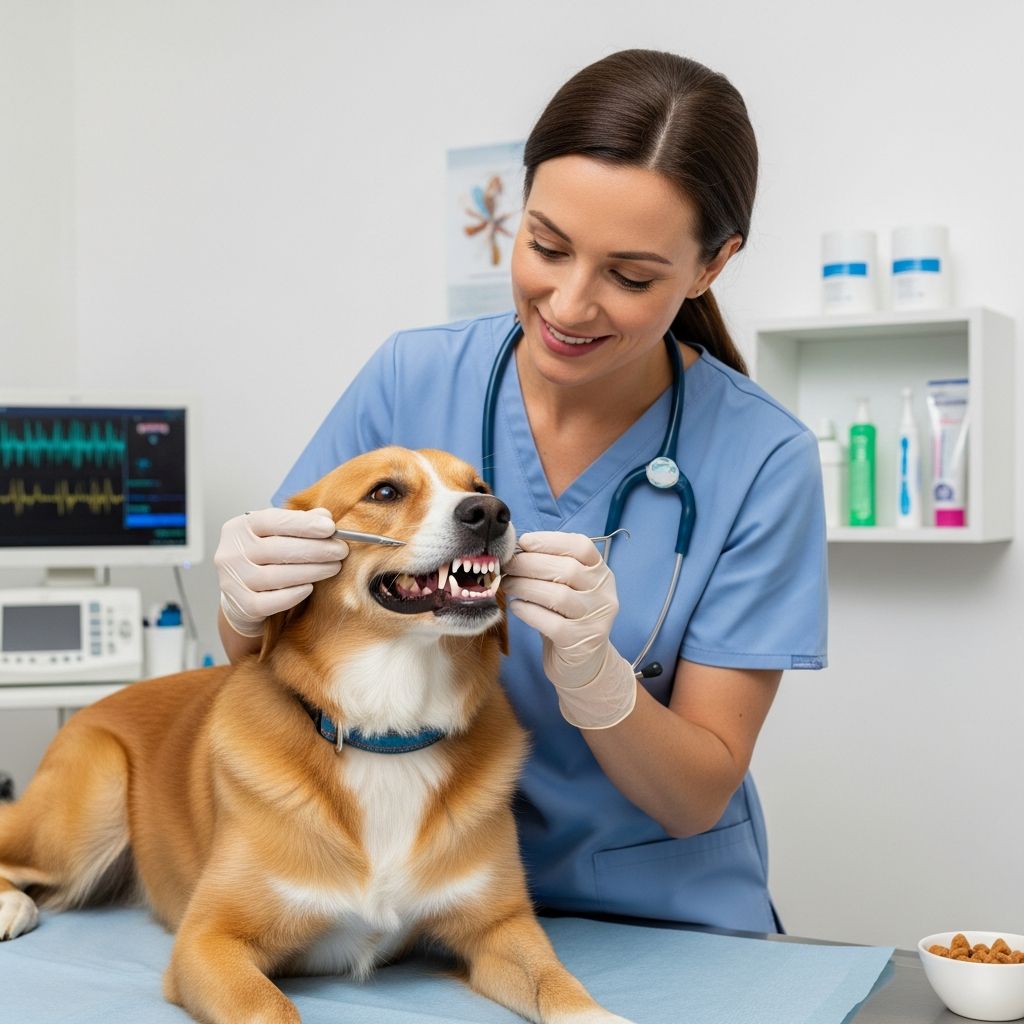
Many pet owners schedule annual veterinary visits for vaccinations and wellness checks, yet they overlook one of the most critical components of preventive care: the dental examination. Your pet’s oral health directly impacts their overall well-being, quality of life, and longevity. An annual dental assessment conducted by a veterinarian provides a comprehensive evaluation that goes far beyond a simple visual inspection of your pet’s teeth.
The Comprehensive Nature of Professional Dental Evaluations
When you bring your pet in for a dental exam, your veterinarian conducts far more than what meets the eye. A professional dental assessment is a thorough medical evaluation that examines multiple structures within and around your pet’s mouth. This includes careful inspection of the gums, teeth, tongue, and other soft tissues, searching for signs of infection, inflammation, or even cancerous growth. The veterinarian evaluates not just the visible surfaces but also what lies beneath the gum line, where many serious conditions develop undetected.
This comprehensive approach means your veterinarian looks for early indicators of periodontal disease, which is one of the most common conditions affecting pets. They assess the extent of plaque and tartar accumulation, evaluate bone loss, and identify any loose or fractured teeth that might cause pain or infection.
Early Detection: The Game-Changer for Preventing Serious Health Issues
One of the most compelling reasons to prioritize annual dental exams is the opportunity for early detection of problems before they become advanced. Pets have a remarkable survival instinct that compels them to continue eating and acting normally despite significant oral pain. Unlike humans who communicate dental discomfort, animals mask their suffering until disease progresses to severe stages. This makes professional screening absolutely essential.
When detected early, dental problems respond better to treatment and require less invasive interventions. A veterinarian might identify gingivitis in its initial stages before it develops into painful gum infections, bone destruction, and systemic infection. Early intervention through annual exams also allows veterinarians to create a personalized dental care plan tailored to your specific pet’s needs.
The stakes are remarkably high. Some veterinarians have discovered oral cancers during routine dental checks—tumors that would have remained unnoticed until they became untreatable. These life-saving discoveries happen because annual exams provide a dedicated opportunity to assess oral health with specialized attention.
The Connection Between Oral Health and Systemic Disease
Perhaps the most critical insight from modern veterinary medicine is the profound connection between oral health and overall bodily health. When dental disease goes untreated, the harmful bacteria and infections in the mouth can spread throughout the body, affecting vital organs. There is a well-documented negative association between periodontal disease and harmful tissue changes in the heart, liver, and kidneys of both dogs and cats.
The progression typically begins with plaque accumulation on tooth surfaces. Over time, this plaque hardens into tartar, which promotes gum inflammation and disease. If left unchecked, the infection can penetrate deeper tissues and enter the bloodstream, potentially causing kidney disease, liver complications, and cardiac issues.
By maintaining healthy teeth and gums through regular professional exams, you protect more than just your pet’s smile—you’re actively preventing serious systemic conditions. This interconnection makes dental care as vital as vaccinations or heartworm prevention.
What Happens During a Professional Dental Examination
Understanding the components of a dental exam helps pet owners appreciate its value and prepare for what to expect during the appointment.
- Visual Inspection: The veterinarian examines the visible surfaces of all teeth, looking for discoloration, fractures, or loose teeth that might indicate problems.
- Gum Assessment: The health and color of gum tissue is evaluated; inflamed, receding, or bleeding gums indicate disease.
- Soft Tissue Evaluation: The tongue, lips, and inside of the mouth are inspected for ulcers, growths, or other abnormalities.
- Probing and Measurement: Special instruments measure the depth of pockets between teeth and gums; deeper pockets indicate periodontal disease.
- Oral Cancer Screening: The veterinarian checks for any suspicious lumps, discolored areas, or abnormal tissue growth.
Beyond the Visual: Why Professional Cleaning Requires Anesthesia
Many pet owners wonder why professional dental cleanings require anesthesia when human dentists clean teeth without it. The answer lies in the comprehensive nature of veterinary dental care and the welfare of the animal. Anesthesia allows veterinarians to perform a thorough cleaning both above and below the gum line, access areas a conscious pet would not tolerate, and take dental radiographs (X-rays) to assess bone loss and identify problems invisible to the naked eye.
Professional cleaning removes plaque and tartar buildup that home brushing cannot address. The veterinarian can scale away calculus from tooth surfaces and beneath the gum line where bacteria colonize and cause the most damage. Without this professional intervention, home care alone cannot prevent the progression of dental disease.
Personalized Care Plans Based on Individual Risk Factors
Annual exams provide an opportunity for veterinarians to develop customized dental care recommendations for each pet. Every animal has unique risk factors and predispositions based on breed, age, and lifestyle. Small breeds, for example, often have higher risks of dental disease due to crowded teeth. Senior pets may have accumulated tartar over years and need more aggressive preventive strategies.
During the exam, your veterinarian may recommend:
- At-home tooth brushing techniques and frequency
- Specific dental diets or treats formulated to reduce plaque formation
- Safe chew options that promote oral health without risking tooth fractures
- The frequency of professional cleanings based on your pet’s individual condition
This personalized approach ensures that your pet receives the specific interventions most likely to maintain their oral health given their unique circumstances.
Cost-Effectiveness of Preventive Dental Care
Beyond the health benefits, preventive dental care through annual exams is substantially more cost-effective than treating advanced dental disease. Advanced periodontal disease often requires tooth extraction, surgery, or treatment of systemic infections—all significantly more expensive than annual professional cleanings and preventive measures.
A pet with regular dental care and preventive treatment typically requires less frequent professional cleanings and avoids costly emergency procedures. The investment in annual exams and at-home care prevents expensive complications down the road.
Optimizing Oral Health Between Annual Exams
While annual professional exams are essential, maintaining dental health between visits requires consistent at-home care. The combination of professional cleanings with home care significantly increases the likelihood of early detection and allows for less invasive and more effective treatments.
Effective at-home strategies include:
- Daily Tooth Brushing: Using a pet-specific toothbrush and enzymatic toothpaste (human toothpaste is harmful to pets)
- Dental Treats: Choosing treats specifically designed to reduce plaque accumulation
- Diet Selection: Discussing with your veterinarian whether your pet would benefit from a dental diet
- Water Additives: Some veterinary-approved products reduce bacteria in the mouth
Recognizing Warning Signs Between Exams
Pet owners should watch for signs that their pet may have dental problems requiring attention before the next scheduled exam. Bad breath, difficulty eating, excessive drooling, swelling around the mouth or jaw, or behavioral changes during eating can all indicate oral discomfort. Loose teeth, visible fractures, or bleeding gums also warrant prompt veterinary attention.
Because pets don’t vocalize pain the way humans do, these behavioral changes are your most reliable indicators that something requires professional evaluation.
Creating a Long-Term Dental Health Strategy
Establishing a sustainable approach to your pet’s dental health involves scheduling regular professional exams—ideally once annually—as a non-negotiable component of their preventive care routine. This commitment, combined with consistent at-home care, significantly improves your pet’s quality of life.
Pets with regular dental care enjoy better overall health outcomes with fewer systemic complications. They experience less oral pain, maintain their teeth longer, and avoid the complications associated with untreated periodontal disease. Most importantly, they benefit from a longer, healthier life without the silent suffering caused by undetected dental disease.
Your veterinarian views dental exams with the same importance as vaccinations and preventive screening tests. They understand that your pet deserves to live free from silent pain, and that journey begins with a healthy mouth maintained through consistent professional assessment and care.
References
- Importance of Pet Dental Exams — Natomas Animal Hospital. Retrieved February 27, 2026. https://natomasvet.com/importance-of-pet-dental-exams/
- Why Regular Dental Exams Are Essential for Your Furry Friend — South Granville Animal Veterinary Clinic. Retrieved February 27, 2026. https://www.southgranvilleanimalvet.com/pet-dental-health-why-regular-dental-exams-are-essential-for-your-furry-friend
- Pet Dental Exams and Their Importance — Well Pets. Retrieved February 27, 2026. https://www.wellpets.com/blog/pet-dental-exams-importance/
- Pet Dental Check-ups: Why Your Pet Needs Regular Oral Care — Langley Animal Clinic. Retrieved February 27, 2026. https://langleyanimalclinic.ca/service-pet-dental/pet-dental-check-ups-why-your-pet-needs-regular-oral-care/
- How Often Do Pets Need Dental Exams? — Cochrane Animal Hospital. Retrieved February 27, 2026. https://www.cochraneanimalhospital.com/blog/1264466-how-often-do-pets-need-dental-exams
- Why Vet Dental Cleaning Is Crucial for Dogs and Cats — Main Street Veterinary Clinic. Retrieved February 27, 2026. https://www.mainstreetvet.ca/blog/1215823-why-vet-dental-cleaning-is-crucial-for-dogs-and-cats
Similar Articles








Read full bio of medha deb


