
Pet Owner’s Guide to Reporting Adverse Drug Reactions
Learn why and how to report medication side effects and protect other pets from harm.
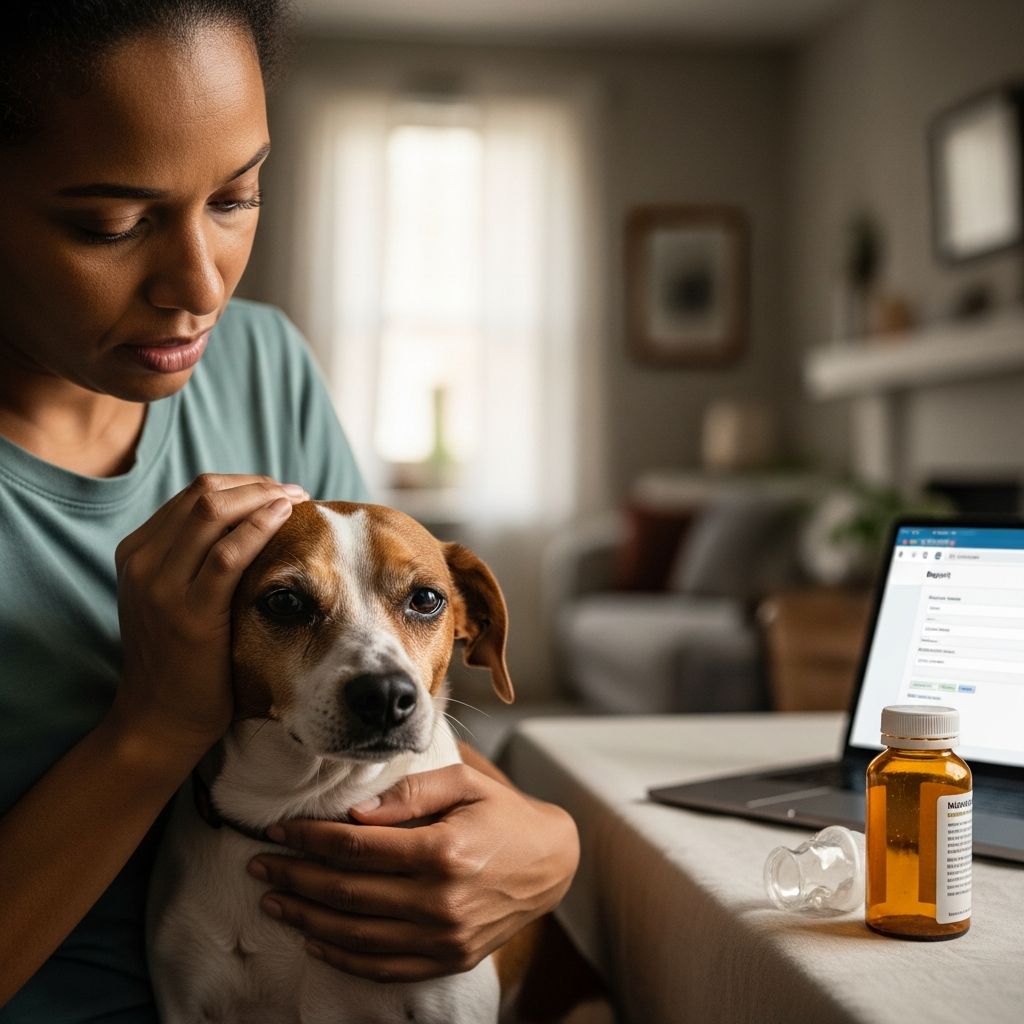
Understanding Adverse Drug Reactions in Pets
Pet owners frequently encounter situations where their animals experience unexpected reactions to medications, vaccines, dietary products, or pest control treatments. While many of these reactions are minor and resolve quickly, others can be serious or even life-threatening. The role of pet owners extends beyond simply managing their own pet’s health—it includes participating in a larger system designed to protect all animals from unsafe products and medications.
An adverse drug event (ADE) represents any undesirable health outcome that occurs during or after using a product, whether or not the product directly caused the problem. Understanding what constitutes a reportable event is the first step toward becoming a responsible participant in the veterinary safety monitoring system. According to the American Veterinary Medical Association (AVMA), adverse events are rare, with the majority being minor, though some can be life-threatening.
Why Your Report Matters to the Broader Pet Community
Many pet owners wonder whether reporting a single adverse reaction will make any difference. The answer is a definitive yes. Each report contributes to a comprehensive database that regulatory agencies, manufacturers, and veterinary professionals monitor to identify patterns, emerging safety concerns, and potential risks that might not be apparent from individual incidents.
When multiple reports describe similar problems with the same product, regulatory agencies can identify trends that warrant investigation. A medication that causes isolated minor side effects in ten thousand animals might warrant closer scrutiny if one thousand of those reports describe severe reactions. Individual reports serve as critical data points in this larger picture.
Immediate Action: Prioritizing Your Pet’s Health
Before considering how or where to file a report, the immediate priority must be your pet’s health and safety. If you suspect that one of your animals is experiencing an adverse event, call your veterinarian or local veterinary emergency clinic immediately, as addressing your animal’s health needs is the highest priority; reporting the adverse event can be done afterwards.
This distinction is crucial. The reporting process should never delay emergency veterinary care or treatment. Once your pet receives appropriate medical attention and has stabilized, you can focus on the administrative task of filing reports with the relevant agencies.
Determining Whether to Report
Not every minor reaction requires a formal report, though reporting known side effects can still be valuable. However, certain situations definitely warrant reporting:
- Serious or unexpected reactions to medications, vaccines, or other products
- Reactions that persist longer than expected
- Multiple pets in your household experiencing similar problems after exposure to the same product
- Reactions that result in emergency veterinary care or hospitalization
- Any life-threatening situations associated with product use
- Product failures or defects (packaging damage, expired products, contamination)
If you’re uncertain whether a particular reaction warrants reporting, consulting with your veterinarian is always appropriate. Your veterinarian has experience with both common side effects and unusual reactions, and can advise whether formal reporting is necessary.
The Role of Your Veterinarian in the Reporting Process
In many cases, your veterinarian will handle the reporting process themselves. This is particularly likely if the adverse reaction occurred during treatment at the veterinary clinic. Veterinarians themselves will often handle reporting, and if this occurs, there is no need for you to report the incident. However, if your veterinarian has not reported the adverse event or was not involved in treatment, you should make the report yourself.
The AVMA strongly encourages veterinarians to report adverse events, recognizing that veterinary professionals provide regulatory authorities and manufacturers with reliable, field-based information crucial for monitoring product safety and effectiveness.
Filing Your Report: Step-by-Step Process
Reports for FDA-Approved Medications and Animal Foods
The Food and Drug Administration’s Center for Veterinary Medicine (CVM) accepts adverse event reports directly from pet owners. When a pet has an unexpected reaction to a veterinary drug, it is important to file an Adverse Drug Event (ADE) report, which can be filed directly with the FDA by pet owners.
To file a report with the FDA:
- Obtain Form FDA 1932a (Veterinary Adverse Experience, Lack of Effectiveness or Product Defect Report)
- Complete the form with as much detail as possible
- Email the completed form to CVM1932a@fda.hhs.gov
- Alternatively, call 1-888-FDA-VETS (1-888-332-8387) for phone reporting
Information to Include in Your Report
Comprehensive reports enable agencies to investigate more effectively. Include:
- Your pet’s complete medical history
- All current and recent medications, including dosages
- Dietary information and treats
- Supplements and over-the-counter products
- Vaccination history
- Description of the adverse reaction with timeline
- Your veterinarian’s findings and test results
- Product information (brand name, batch/lot number if available)
- When the reaction began relative to product administration
- Whether the reaction resolved and, if so, how long it took
Reporting to Manufacturers
Manufacturer contact information is typically available on product packaging or prescription bottles. Reporting directly to the manufacturer ensures that the company receives your information immediately and can incorporate it into their internal safety monitoring systems.
Reporting Pesticide and Parasite Treatment Reactions
Products with EPA registration numbers, including flea treatments, tick preventatives, and other pest control products, require different reporting channels. Adverse events associated with products with an EPA registration number, as well as other pesticides, are reported to the National Pesticide Information Center (NPIC). However, the NPIC electronic reporting system is restricted for use by qualified professionals, such as veterinarians or their staff. Pet owners can still report an adverse effect by a pesticide on their pet by calling the NPIC directly at (800) 858-7378 and filing a report over the phone.
What Happens After You File Your Report
How Agencies Process Reports
Once regulatory agencies receive adverse event reports, they implement standardized procedures to evaluate the information. The governing agencies all have differing approaches to handling Adverse Event Reports, but in general, these reports are reviewed and evaluated for risks to animal (and/or public) health. Every report is important; if the AE is assessed to be of concern, the initial review leads to follow-up activity.
Potential Outcomes of Report Investigations
Investigations into adverse events can result in multiple types of regulatory actions. When substantial concerns are identified, agencies may:
- Issue safety alerts to veterinarians and pet owners
- Require changes to product labeling or usage instructions
- Mandate additional safety monitoring
- Issue recall notices for affected product batches or entire product lines
- Revoke approval for products that pose unacceptable risks
- Require manufacturers to conduct additional safety studies
The Role of Reports as an Alert System
This alert system function extends beyond regulatory agencies. When patterns emerge in adverse event reports, veterinary associations disseminate information to their members. Pet health websites and veterinary journals publish alerts about identified safety concerns. This information flow helps other pet owners and veterinarians recognize similar problems and take preventive action.
Best Practices for Effective Reporting
To maximize the impact of your report and ensure it receives appropriate attention, follow these best practices:
- Report promptly: Prioritize the reporting of serious adverse events within regulatory timeframes (typically 24-48 hours) and non-serious events within the recommended deadlines.
- Provide comprehensive documentation: Ensure that all relevant details about the adverse event, including animal identification, product details, event description, and follow-up actions, are documented thoroughly.
- Include timeline details: Document exactly when your pet was exposed to the product and when symptoms began
- Describe symptoms precisely: Use clear, specific language rather than vague descriptions
- Include all relevant medical information: Don’t assume agencies will know your pet’s history
- Keep copies: Maintain records of all reports you file for your own reference
Frequently Asked Questions About Adverse Event Reporting
Does reporting always lead to product recalls?
No. Not every adverse event report results in a recall. Regulatory agencies evaluate the severity of reactions, how frequently they occur, and whether the product’s benefits outweigh the risks. Minor, isolated side effects may not warrant regulatory action, but they still contribute valuable information to safety monitoring systems.
Will reporting harm my veterinarian’s reputation?
Reporting adverse events does not reflect negatively on your veterinarian. Veterinary professionals understand that adverse reactions can occur despite proper care and appropriate product selection. In fact, veterinarians often encourage clients to report such events.
What if I’m not certain whether the product caused the reaction?
You don’t need to be absolutely certain. Report your suspicion with the information you have. Include in your report any uncertainty you have about causation. Regulatory agencies understand that multiple factors may contribute to adverse events and they analyze all reports with this in mind.
How long does the reporting process take?
The actual filing process typically takes 15-30 minutes. Regulatory agencies may take weeks or months to investigate and respond, depending on the complexity and severity of the reported event.
Can I report an adverse event for a pet I don’t own?
You cannot formally file a report about someone else’s pet, but you can encourage the pet owner to file the report themselves or ask your veterinarian to file it if the event occurred during professional treatment.
Taking Action: Your Responsibility as a Pet Owner
Pet owners occupy a unique position in the safety monitoring system. You spend more time with your pets than anyone else and are often the first to notice subtle changes in behavior, appetite, energy levels, or physical symptoms. You observe reactions that might not be apparent during a brief veterinary examination.
By reporting adverse events, pet owners provide the government, manufacturers, and veterinarians with critical information to determine if further investigation is warranted. Your willingness to take a few minutes to file a report could prevent another pet owner from experiencing the same problem.
Whether you’re dealing with an unexpected medication side effect, a food-related illness, or a vaccine reaction, reporting serves the larger veterinary community and contributes to ongoing improvements in pet health and safety. The reporting process has been designed to be accessible to pet owners, and regulatory agencies actively encourage participation.
References
- Reporting Dogs’ Adverse Reactions is Your Duty — Whole Dog Journal. 2024. https://www.whole-dog-journal.com/health/reporting-dogs-adverse-reactions-is-your-duty/
- Reporting Adverse Events — American Veterinary Medical Association (AVMA). 2024. https://www.avma.org/resources-tools/animal-health-and-welfare/animal-health/reporting-adverse-events
- Navigating the Challenges of Adverse Event Reporting in Veterinary Medicine — CloudByz Resources. 2024. https://blog.cloudbyz.com/resources/navigating-the-challenges-of-adverse-event-reporting-in-veterinary-medicine
- Reporting Adverse Events with Animal Drugs or Devices — Oregon Veterinary Medical Association. 2024. https://www.oregonvma.org/care-health/companion-animals/health-safety/reporting-adverse-events-with-animal-drugs-or-devices
- Why Report Adverse Events in Animals? — Läkemedelsverket (Swedish Medical Products Agency). 2023. https://www.lakemedelsverket.se/en/medicinal-products-for-animals/adverse-events-in-animals/why-report-adverse-events-in-animals
Similar Articles








Read full bio of Sneha Tete


