Personable Pigeon with Unique Beak
Discover how Magma's unique crisscrossed beak and friendly nature make her special.
Magma’s Journey: A Pigeon with a Story to Tell
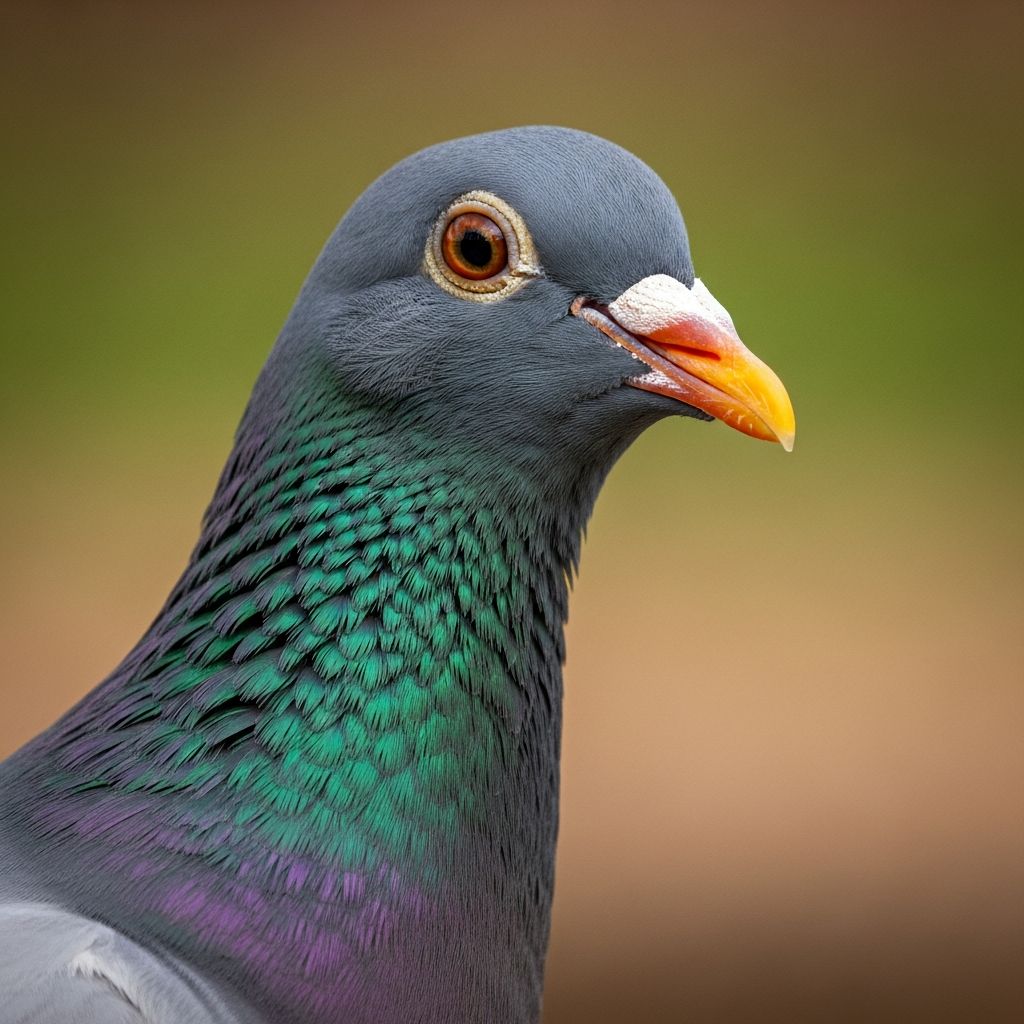
In the sprawling aviaries of Best Friends Animal Sanctuary, among dozens of pigeons cooing softly and preening their feathers, one bird captures the hearts of everyone who meets her. Her name is Magma, and she is instantly recognizable by her distinctive crisscrossed beak—a physical reminder of the challenges she has overcome. Yet despite her unusual appearance, or perhaps because of it, Magma has become one of the most beloved residents at Wild Friends, the Sanctuary’s state and federally licensed wildlife rehabilitation center. Her story is a testament to the resilience of animals and the transformative power of second chances.
The Origin of Magma’s Unique Appearance
Magma’s most striking feature is her crisscrossed beak, which sets her apart from every other pigeon in the flock. This distinctive marking is not merely a quirk of nature but rather a result of an infection she contracted during her early years. When Magma was young, she suffered from a serious infection that affected the development of her beak. Rather than destroying her spirit, this early hardship became the defining characteristic that would ultimately make her unforgettable.
The crisscrossed pattern on her beak is a visible scar of survival. What could have been a life-limiting condition became instead a badge of honor, a symbol of her strength and determination to overcome adversity. Today, Magma wears her unique beak with quiet dignity, and it serves as an immediate conversation starter for anyone visiting the Sanctuary or learning about her story.
More Than Just Appearance
While Magma’s crisscrossed beak makes her visually distinctive, it is her personable and friendly nature that truly sets her apart from the rest of the flock. Unlike some birds that maintain distance from human caregivers, Magma actively seeks out interactions and displays genuine affection toward the people who care for her. This combination of unique physical characteristics and an exceptionally warm personality creates a compelling story that resonates with animal lovers and sanctuary visitors alike.
Magma’s friendly demeanor suggests that she understands on some level that her unusual appearance makes her special. Rather than withdrawing or becoming defensive, she has embraced her individuality and uses it as a bridge to connect with humans. This remarkable emotional intelligence demonstrates the depth of personality that pigeons possess—a quality often overlooked by those who view these birds merely as common city dwellers.
Life at Best Friends Animal Sanctuary
Best Friends Animal Sanctuary spans 3,700 acres in Kanab, Utah, and serves as a refuge for thousands of animals each year. Wild Friends, the sanctuary’s wildlife rehabilitation center, operates under state and federal licenses to care for injured, ill, and orphaned animals. For pigeons specifically, the sanctuary has become a beacon of hope, providing comprehensive care to birds that might otherwise have nowhere to go.
The sanctuary recognizes that pigeons—particularly former racing pigeons—often face unique challenges. These birds, bred and trained by humans to return home from great distances, are deeply social creatures capable of forming lasting bonds. When they are injured, displaced, or no longer wanted by their racing owners, they face an uncertain future. Best Friends steps in to provide not just medical care, but genuine sanctuary for these intelligent and emotional birds.
Understanding Pigeons as Sentient Beings
Many people don’t realize that pigeons are highly intelligent birds with complex emotional lives. They form lifelong pair bonds, remember faces, and can navigate vast distances using their remarkable homing abilities. Pigeons can also distinguish between different people, understand abstract concepts, and even recognize themselves in mirrors—markers of significant cognitive ability.
Magma’s friendly nature is consistent with what researchers and caregivers at Best Friends have observed about pigeon behavior. These birds form close connections with their people when given the opportunity. They can be remarkably affectionate, enjoying gentle handling and appearing to seek out human interaction. In larger sanctuary settings where pigeons have access to both feathered and human companions, many birds demonstrate distinct personality types and social preferences.
How Magma Stands Out from the Flock
In a sanctuary setting where dozens of pigeons share the same space, individual personalities shine through clearly. Magma’s combination of distinctive appearance and warm temperament makes her memorable to staff and visitors. Her crisscrossed beak serves as a visual identifier, but it is her willingness to interact with caregivers that makes her truly stand out.
The Sanctuary staff has observed that pigeons with unique characteristics or backgrounds often develop distinctive personalities. Some become shy, while others, like Magma, become ambassadors for their species. These individual birds play an important role in helping humans understand pigeons as individuals worthy of compassion and respect, rather than as interchangeable members of a flock.
The Adoption Journey
One of the primary goals of Wild Friends is to find suitable adoptive homes for the pigeons in its care. Pigeons like Magma, with their distinctive personalities and loving nature, often become favorites among potential adopters. When a bird as personable as Magma finds a new family, the transition can be remarkably smooth.
Prospective pigeon adopters are carefully screened to ensure they understand the commitment involved in caring for these birds. Pigeons require appropriate housing, a varied diet, veterinary care, and—most importantly—social interaction. For the right family, adopting a pigeon can be an extraordinarily rewarding experience. Many adopters report that their pigeons become deeply bonded family members, seeking out human companionship and demonstrating surprising levels of affection and trust.
The Care Behind the Scenes
The work of the staff at Wild Friends involves far more than simply providing food and shelter. The caregivers and veterinarians monitor each bird’s health closely, address behavioral issues, and work to match birds with compatible companions. Magma’s unique needs—both physical and emotional—require specialized attention.
The caregivers at Best Friends have developed expertise in working with pigeons who have experienced trauma, abandonment, or medical challenges. They understand that healing is not just physical but also emotional and social. By providing appropriate companions, enrichment opportunities, and human interaction, the staff helps birds like Magma rebuild trust and develop confidence in their new circumstances.
Raising Awareness About Pigeons
Stories like Magma’s help challenge the negative stereotypes often directed at pigeons. In urban environments, pigeons are frequently dismissed as pests or nuisances. Yet the reality is that pigeons are sensitive, intelligent beings capable of forming deep bonds and experiencing complex emotions. Former racing pigeons, in particular, have been socialized by humans and often have a natural affinity for human interaction.
By sharing Magma’s story and highlighting her unique personality, Best Friends helps the public see pigeons in a new light. Her distinctive beak becomes not a deformity to hide but a feature that tells a story of survival and resilience. Her friendly nature demonstrates that these birds deserve our respect and compassion.
What Makes Magma Special
Ultimately, Magma embodies the core mission of Best Friends Animal Sanctuary: to provide second chances to animals in need. Her crisscrossed beak, a permanent reminder of the infection she survived, becomes a symbol of her strength. Her personable nature, her willingness to engage with caregivers and potentially future adopters, makes her a true ambassador for her species.
Every animal at the Sanctuary has a story, but Magma’s combination of distinctive appearance and warm personality makes her particularly compelling. She represents the possibility of transformation, the resilience of animals, and the power of compassion. For anyone who meets her or learns about her, Magma serves as a reminder that differences are not limitations but rather opportunities to celebrate the unique value that each individual brings to their community.
Frequently Asked Questions About Pigeons
Q: Can pigeons really form bonds with humans?
A: Yes, pigeons are highly social birds that can form strong bonds with both other pigeons and humans. When raised by humans or given regular interaction, they often become affectionate and seek out human companionship. Many adopters report that their pigeons enjoy being held, perching on their shoulders, and displaying obvious signs of attachment to their caregivers.
Q: What is the lifespan of a pigeon?
A: In the wild, pigeons typically live 5-10 years. In captivity, with proper care, pigeons can live significantly longer, often 15-20 years or more. This means that adopting a pigeon is a long-term commitment requiring dedicated care and attention throughout the bird’s life.
Q: How do racing pigeons develop infections like the one that affected Magma’s beak?
A: Young pigeons can contract infections from various sources, including environmental pathogens, poor living conditions, or exposure to disease. Infections during development can affect bone and tissue growth, potentially leading to permanent physical changes like Magma’s distinctive beak. With proper veterinary care and nutrition, many pigeons recover well from infections.
Q: Is it difficult to adopt a pigeon with special needs?
A: Adopting a pigeon with unique characteristics or special needs can be a rewarding experience. Birds like Magma, despite their differences, often become beloved pets. Potential adopters should be prepared to provide appropriate care and understand that special needs birds may require additional attention or veterinary support.
Q: What do pigeons eat?
A: Domestic pigeons require a varied diet that includes quality pigeon pellets, grains, seeds, and fresh vegetables. They also need access to clean water at all times. A proper diet is essential for maintaining health and supporting the bird’s natural behaviors. Consult with a veterinarian experienced with birds to ensure your pigeon receives appropriate nutrition.
Q: Why do some pigeons end up at sanctuaries?
A: Former racing pigeons often end up at sanctuaries when they can no longer race or when they become injured or lost during flights. Some are abandoned when they fail to return from races. Unlike wild animals, these pigeons cannot survive on their own in urban or rural environments and require appropriate housing and care provided by sanctuaries and adopters.
Taking the Next Step
If Magma’s story has inspired you to learn more about pigeons or consider adoption, there are several ways to get involved. Best Friends Animal Sanctuary welcomes visitors and offers opportunities to learn about the animals in their care. For those interested in adoption, the Sanctuary carefully matches birds with suitable homes and provides guidance for new pigeon guardians.
Magma’s unique beak and personable nature have made her a memorable representative of her species. Whether you encounter her story through the Sanctuary’s website, during a visit to the facility, or through word of mouth, her journey reminds us that every animal deserves compassion, proper care, and a chance at a happy life. In Magma’s case, her distinctive appearance and loving personality combine to make her truly special—a pigeon with character, resilience, and an abundance of love to share.
References
- Best Friends Animal Society — Best Friends Animal Sanctuary. 2025. https://bestfriends.org/stories/features/love-story-former-racing-pigeons-cross-finish-line-retirement
- Two Outcast Pigeons Become Friends — Best Friends Animal Society. 2025. https://bestfriends.org/stories/features/two-outcast-pigeons-become-friends
- Pigeon Cognition and Intelligence Research — Cambridge University. https://www.cam.ac.uk/
- Animal Welfare Standards for Captive Birds — Association of Avian Veterinarians. https://www.aav.org/
- Wildlife Rehabilitation Best Practices — International Wildlife Rehabilitation Council. https://iwrc-online.org/
Similar Articles




Read full bio of Sneha Tete