

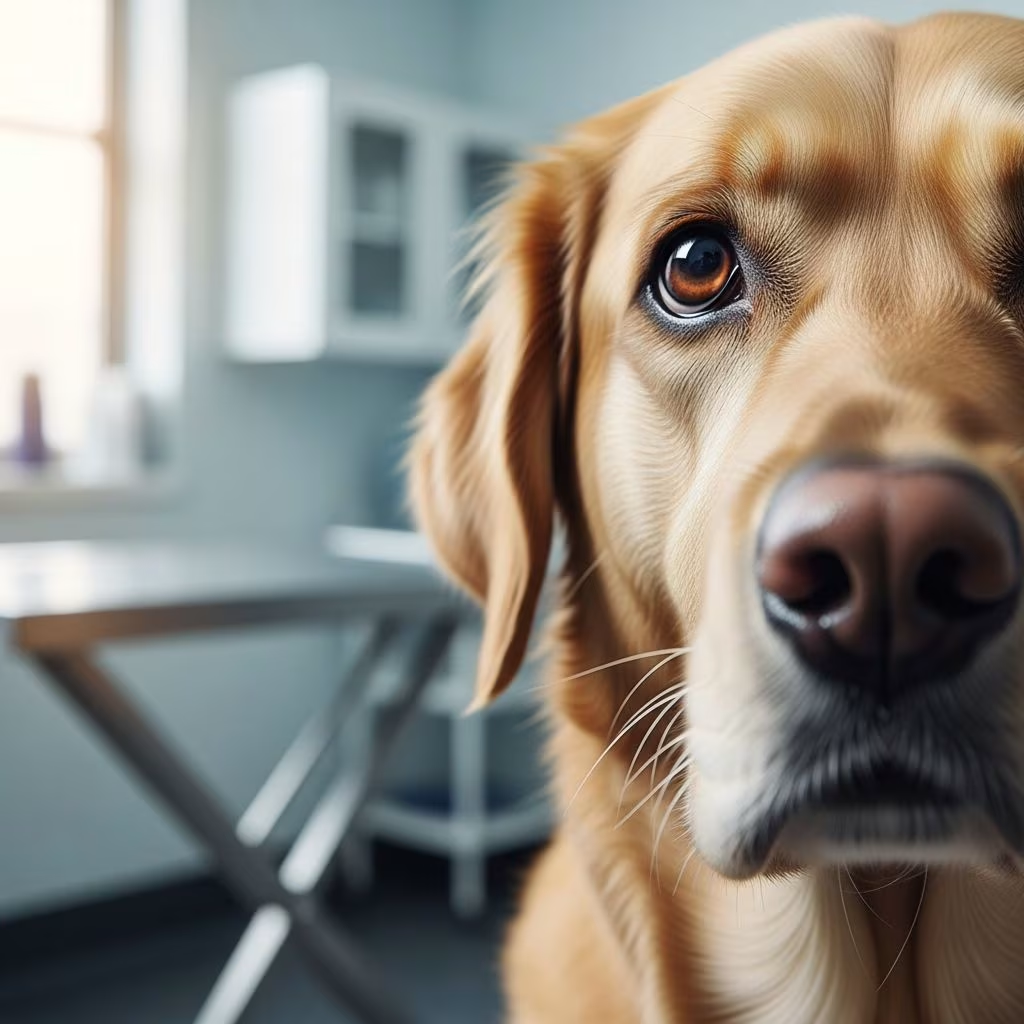
Dogs with ongoing soft or loose stools face discomfort and potential health risks if left unaddressed. This condition, often termed chronic diarrhea, involves frequent, watery bowel movements persisting for weeks, signaling underlying digestive disruptions that require prompt attention from pet owners and veterinarians alike.
Recognizing the Signs of Ongoing Digestive Distress
Spotting persistent loose stools early helps prevent complications like dehydration or nutrient loss. Typical indicators include stools that resemble soft-serve ice cream, increased frequency of defecation, straining during bowel movements, or mucus or blood in the feces. Unlike short-term episodes triggered by scavenging or stress, chronic cases last over two weeks and may accompany weight loss, lethargy, or a dull coat.
Owners should monitor stool consistency using scales like the Bristol Stool Chart adapted for dogs: ideal stools are firm logs (types 3-4), while persistent types 5-7 demand investigation. Factors like breed predispositions—such as German Shepherds prone to exocrine pancreatic insufficiency (EPI)—or age-related vulnerabilities in seniors further heighten concern.
Primary Culprits Behind Chronic Soft Stools
Multiple factors contribute to this issue, ranging from everyday dietary slips to serious medical conditions. Understanding these allows targeted interventions.
- Dietary Disruptions: Abrupt food switches, low-quality kibble lacking fiber or protein, or table scraps high in fat disrupt gut balance, leading to malabsorption and loose output. Common allergens like beef, dairy, chicken, or grains exacerbate this in sensitive dogs.
- Parasitic Infestations: Protozoa such as Giardia or worms like hookworms, roundworms, and whipworms irritate the intestines, causing inflammation and poor water resorption in the colon.
- Gut Microbiome Imbalances: Dysbiosis, where harmful bacteria outnumber beneficial ones, often follows antibiotic use or infections, resulting in inefficient digestion.
- Food Sensitivities and Allergies: Intolerances trigger immune responses in the gut lining, producing chronic inflammation and soft feces.
- Organ Dysfunction: Liver diseases impair bile production for fat digestion, while pancreatic issues like EPI reduce enzyme output, both yielding greasy, loose stools.
Serious Medical Conditions Linked to Loose Stools
Beyond benign causes, persistent loose stools can stem from systemic diseases demanding veterinary diagnostics.
| Condition | Symptoms Beyond Loose Stools | Common Breeds Affected |
|---|---|---|
| Inflammatory Bowel Disease (IBD) | Weight loss, vomiting, appetite changes | Boxers, German Shepherds |
| Exocrine Pancreatic Insufficiency (EPI) | Ravenous hunger, rapid weight loss, coprophagia | German Shepherds, Rough-Coated Collies |
| Addison’s Disease | Lethargy, vomiting, collapsed episodes | Young female dogs |
| Hyperthyroidism or Cancer | Increased thirst, tumors palpable | Older large breeds |
IBD involves immune-mediated gut wall thickening, while EPI starves dogs of digestive enzymes. Endocrine disorders like Addison’s disrupt electrolyte balance, indirectly softening stools. Tumors or infections add layers of complexity, often requiring imaging or biopsies for confirmation.
Step-by-Step Home Assessment Before Vet Visit
While professional care is essential for persistence, initial steps aid diagnosis.
- Review Recent Changes: Note diet shifts, new treats, or environmental stressors like boarding.
- Observe Patterns: Track stool frequency, appearance, and associations with meals or walks.
- Check Hydration and Behavior: Pinch skin for tenting (dehydration sign) and assess energy levels.
- Trial Bland Diet: Offer boiled white rice with lean chicken breast in small, frequent meals for 48-72 hours, monitoring firming.
Add a teaspoon of canned pumpkin (plain, not pie filling) per 10 pounds of body weight daily for soluble fiber to bulk stools naturally. Avoid over-the-counter human meds, as they can harm dogs.
Comprehensive Veterinary Diagnostic Approach
Vets start with a thorough history and physical exam, followed by targeted tests.
- Fecal analysis (multiple samples) for parasites, ova, and bacteria.
- Bloodwork to evaluate organ function, B12 levels, and cobalamin deficiency.
- Imaging like ultrasound for masses or thickening.
- Endoscopy or biopsy for IBD confirmation.
Early detection via fecal microbiota analysis can reveal dysbiosis, guiding probiotic or transplant therapies.
Evidence-Based Treatment Strategies
Tailored plans address root causes effectively.
Dietary Management: Transition slowly (7-10 days) to hydrolyzed protein or novel ingredient foods. High-quality, meat-based diets with 25-30% protein promote firmness.
Medications and Supplements:
- Antibiotics like metronidazole for infections.
- Probiotics (e.g., FortiFlora) restore flora.
- Steroids (prednisone) reduce IBD inflammation.
- Dewormers (fenbendazole) eliminate parasites.
- B12 injections for deficiency-linked cases.
Advanced Interventions: Fluid therapy combats dehydration; surgery removes foreign bodies or tumors. For EPI, enzyme powders sprinkled on meals prove life-changing.
Home remedies like psyllium husk or inulin prebiotics absorb excess water. Ensure constant fresh water access to aid colon resorption.
Preventive Measures for Long-Term Gut Wellness
Proactive habits minimize recurrence.
- Foster gradual diet introductions.
- Use parasite preventives year-round.
- Incorporate routine fecal checks at annual exams.
- Maintain stress-low environments with exercise and routines.
- Select premium foods meeting AAFCO standards.
Regular probiotics support microbiome resilience, especially post-antibiotics.
When to Escalate to Emergency Care
Seek immediate vet attention for blood, black tarry stools (indicating upper GI bleed), severe straining, collapse, or persistent symptoms despite home care. Dehydration signs—sunken eyes, tacky gums—warrant urgent fluids.
Frequently Asked Questions (FAQs)
Can stress cause soft stools in dogs?
Yes, anxiety from changes like moving or new pets speeds gut transit, softening stools temporarily. Calming aids and routines help.
Is pumpkin safe for all dogs with loose stools?
Plain canned pumpkin is generally safe in moderation (1-4 tsp/day based on size), providing fiber without laxative excess.
How long before chronic soft stools become dangerous?
Beyond 48 hours with dehydration or 2 weeks persistent, risks like electrolyte imbalance rise, necessitating vet intervention.
Do puppies outgrow chronic loose stools?
Not always; parasites or allergies in pups often persist without treatment, impacting growth.
Can over-the-counter probiotics fix this?
Vet-formulated ones are best; human versions may lack canine-specific strains.
Monitoring Progress and Follow-Up Care
Post-treatment, log stool improvements weekly. Re-check bloodwork for chronic cases ensures sustained remission. Adjust diets seasonally if sensitivities emerge.
References
- Chronic Diarrhea in Dogs: What Causes It and When Should You… — PetMD. 2023. https://www.petmd.com/dog/symptoms/chronic-diarrhea-in-dogs
- 8 Causes of Soft Dog Poop (and Ways to Firm it Up) — PetLab Co. 2023. https://thepetlabco.com/learn/dog/health-wellness/soft-dog-poop
- How to Know What’s Causing It and Help Your Dog Feel Better — AnimalBiome. 2023. https://www.animalbiome.com/blogs/pet-health/dog-diarrhea-what-you-need-to-know
- Understanding Chronic Diarrhea in Dogs: A Veterinary Specialist’s… — Sunstone Vets. 2023. https://www.sunstonevets.com/blog/chronic-diarrhea-in-dogs/
- Diarrhea — Cornell University College of Veterinary Medicine. 2023. https://www.vet.cornell.edu/departments-centers-and-institutes/riney-canine-health-center/canine-health-topics/diarrhea



