

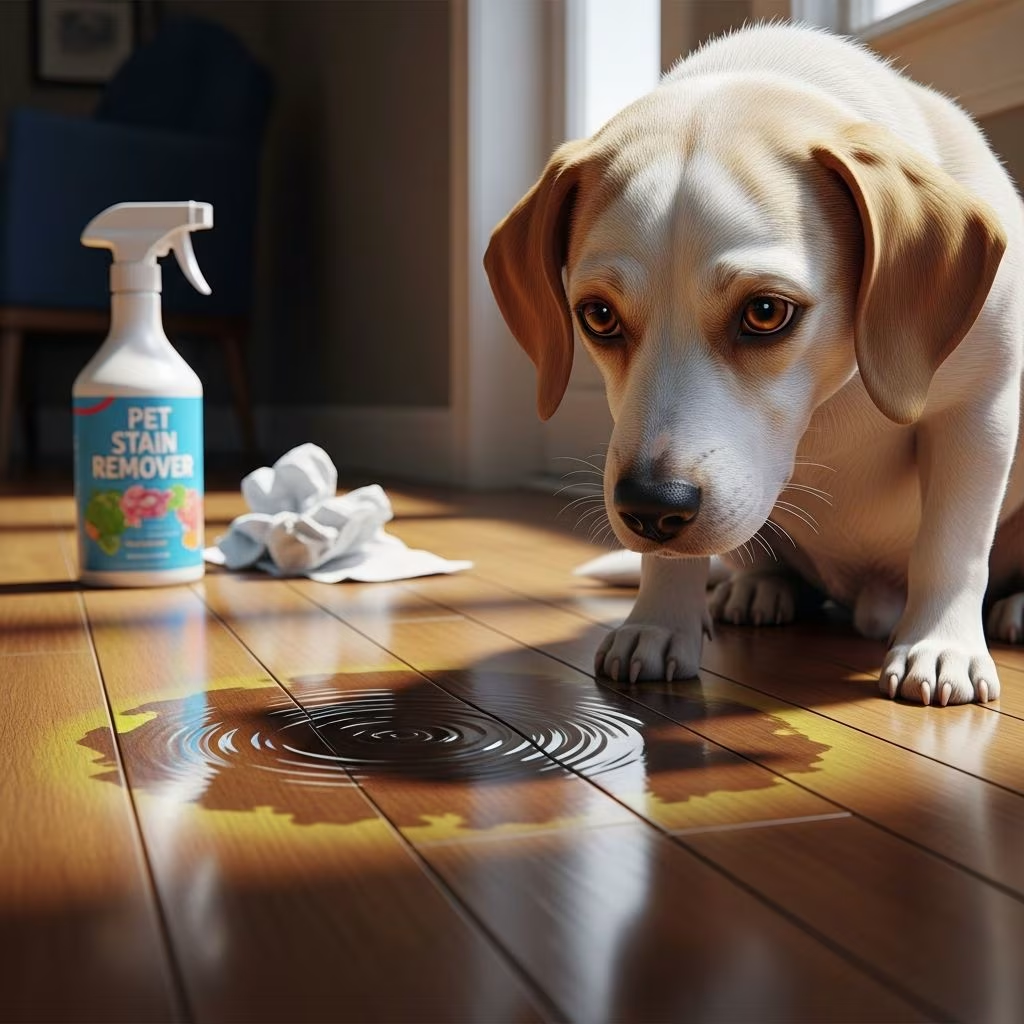
Dog urine odors that keep returning can frustrate any pet owner, turning a clean home or yard into a smelly challenge. These smells often stem from uric acid crystals in urine that standard cleaners fail to break down, reactivating with moisture or time. Effective solutions combine targeted cleaning, environmental controls, and addressing underlying causes like diet or health issues.
The Chemistry Behind Lingering Urine Odors
Dog urine contains **uric acid**, a byproduct of protein metabolism that forms persistent crystals once dry. Unlike liquid urine, these crystals resist water and surface cleaners, releasing ammonia-like smells when humidity rises or surfaces get wet. In outdoor areas, concentrated urine spots kill grass and embed odors in soil, while indoors, carpets and fabrics trap residues deep in fibers.
Humidity plays a critical role: levels above 50% dissolve these crystals, reactivating odors even months later. Poor ventilation exacerbates this, making smells seem impossible to banish permanently.
Health and Lifestyle Factors Amplifying Urine Smells
Beyond chemistry, a dog’s health and habits influence urine potency. **Dehydration** concentrates urine, intensifying odors as waste products build up. Ensure constant fresh water access to dilute urine naturally.
High-protein diets break down into urea, creating stronger scents. Foods with sulfur-rich ingredients like fish or certain meats worsen this. Older dogs face added risks: declining kidney function concentrates waste, while conditions like urinary tract infections (UTIs), diabetes, or hormonal shifts produce foul odors.
- Diet impact: Switch to balanced formulas with moderate protein to reduce urea levels.
- Age-related changes: Seniors may need vet-prescribed diets for kidney support.
- Infections: Foul smells signal UTIs; seek prompt veterinary care.
Indoor Cleaning Strategies for Lasting Results
Standard soaps mask odors temporarily but leave crystals intact. Opt for **enzyme-based or uricase cleaners** that digest uric acid at a molecular level. Apply generously, saturate affected areas (including subfloors or padding), and let dwell for 10-15 minutes before blotting.
Locate hidden spots with a blacklight—urine fluoresces yellow-green. For fabrics, repeat treatments and use fans for drying.
| Method | Best For | Steps | Pros |
|---|---|---|---|
| Enzyme Cleaner | Carpets, upholstery | 1. Blot excess. 2. Saturate. 3. Dwell 15 min. 4. Dry thoroughly. | Breaks down crystals permanently |
| Baking Soda | Hard floors, spot treatment | 1. Sprinkle. 2. Let sit 24 hrs. 3. Vacuum. | Natural, absorbs odors |
| Vinegar Solution (1:1 water) | Non-porous surfaces | 1. Spray. 2. Wipe. Avoid fabrics. | Neutralizes ammonia cheaply |
Control indoor humidity below 50% with dehumidifiers or air conditioners, and improve airflow to prevent reactivation.
Outdoor Yard and Patio Odor Management
Yard spots arise from dogs squatting and depositing concentrated urine in small areas, damaging grass with high nitrogen and salts. Hose spots immediately after use to dilute urine before it soaks in. For existing odors, baking soda or gypsum neutralizes soil pH without harming grass.
Avoid porous surfaces like wood decks for potty areas; rinse concrete patios daily. Train dogs to a designated gravel or mulch zone to concentrate waste.
- Leash-walk to the spot on schedule.
- Use cues like “go potty” with praise/treats.
- Maintain until habit forms.
Dietary Adjustments to Reduce Urine Intensity
Feed high-quality food avoiding fillers and excess protein. Increase moisture via wet food or broth toppers to combat dehydration. Avoid unproven supplements claiming to acidify urine—many risk kidney issues without proven benefits.
Monitor for diet changes causing temporary spikes, and transition foods gradually.
Training and Behavioral Fixes
Inconsistent potty habits lead to scattered indoor accidents. Establish routines: outings after meals, play, and bedtime. Crate training prevents unsupervised marking.
For multi-dog homes, designate zones per pet to avoid overlap.
When to Consult a Veterinarian
Persistent strong or fishy odors, straining, blood, or increased frequency warrant a check-up. These signal UTIs, stones, diabetes, or kidney disease. Early intervention prevents chronic issues.
FAQs
Why does dog urine smell return after cleaning?
Uric acid crystals remain, reactivating with moisture. Use enzymes and control humidity.
Can diet change urine smell?
Yes, high-protein or dehydrating foods intensify odors. Opt for balanced, hydrating options.
Is baking soda safe for yards?
Yes, it neutralizes without toxicity when used sparingly.
How do I stop grass damage from urine?
Dilute with water post-potty; train to non-lawn areas.
What if smells persist despite efforts?
Check for health issues via vet; inspect hidden spots with blacklight.
Preventive Maintenance Checklist
- Daily: Hose yard spots, provide water.
- Weekly: Vacuum with baking soda, groom pet.
- Monthly: Deep clean with enzymes, vet check hydration.
- Ongoing: Train routines, monitor diet/health.
References
- How To Get Dog Urine Smells Out of the Backyard — Rover.com. 2023. https://www.rover.com/blog/how-to-get-the-pet-urine-smells-out-of-the-backyard/
- Dog Urine Damage on Lawns: Causes, Cures and Prevention — Colorado State University Extension. 2022-01-01. https://cmg.extension.colostate.edu/Gardennotes/553.pdf
- Why Dog Urine Odor Comes Back + Best Pet Odor Eliminator — PetPlace. 2024. https://www.petplace.com/article/dogs/vet-qa-parent/vet-qa/why-dog-urine-odor-comes-back-how-to-stop-it
- Why Does My Dog’s Urine Smell So Bad — Dirty Turf. 2023. https://www.dirtyturf.com/why-does-my-dogs-urine-smell-so-bad/
- What Your Pet’s Urine Says About Their Health — PetMD. 2024-06-15. https://www.petmd.com/dog/general-health/what-your-pets-urine-says-about-their-health



