

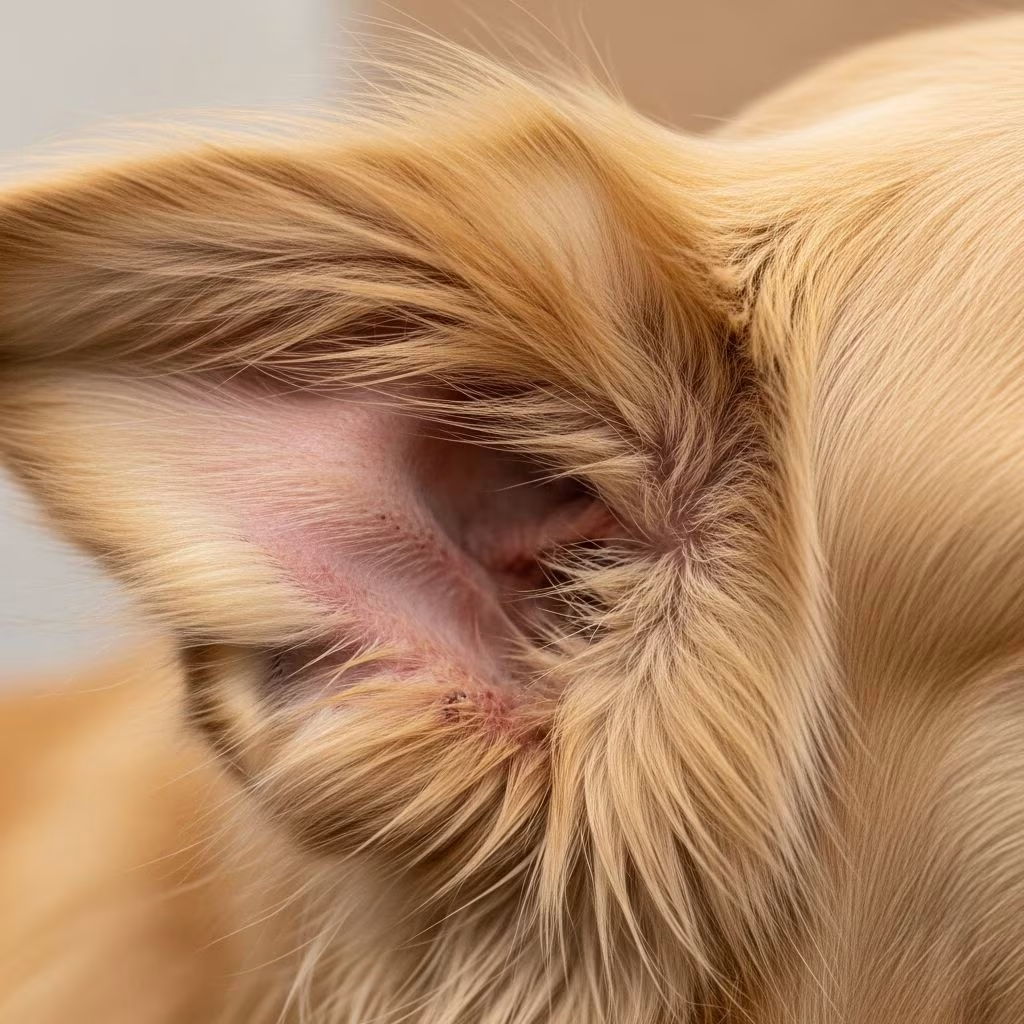
Recurring ear infections in dogs, known medically as chronic otitis, represent a common yet frustrating health challenge for pet owners. These conditions often stem from underlying issues that go beyond simple bacterial or yeast overgrowth, leading to repeated flare-ups if not properly addressed. Understanding the full spectrum of causes, recognizing advanced symptoms, and implementing targeted treatments can help restore your dog’s comfort and prevent long-term complications.
Recognizing the Signs of Ongoing Ear Problems
Dogs with persistent ear infections display a range of noticeable behaviors and physical changes. Early detection is crucial to halt progression from outer ear involvement (otitis externa) to more serious middle (otitis media) or inner ear (otitis interna) infections.
- Head shaking or tilting: Dogs frequently shake their heads vigorously or hold them at an angle toward the affected side, indicating discomfort or imbalance.
- Excessive scratching or pawing: Constant rubbing against furniture or with paws suggests intense itching and irritation.
- Visible discharge: Brown, yellow, bloody, or waxy buildup oozing from the ear canal is a hallmark sign, often accompanied by a foul odor.
- Redness and swelling: The ear flap (pinna) and canal appear inflamed, warm, and sensitive to touch.
- Crusting or scabs: Dried debris forms around the ear opening, exacerbating the cycle of infection.
In advanced chronic cases, symptoms escalate. Owners may observe balance issues, such as circling, stumbling, or reluctance to stand, pointing to inner ear involvement. Facial nerve damage can cause drooling, dry eye, or eyelid drooping on the affected side. Hearing loss in the impacted ear is also common, altering behavior like ignoring commands from that direction.
Primary Culprits Behind Recurring Infections
While surface-level infections respond to basic cleaning and antibiotics, chronic cases demand investigation into root triggers. Moisture, poor ear conformation, and poor hygiene play roles, but deeper factors predominate.
| Cause | Description | Common Triggers |
|---|---|---|
| Allergies (Environmental or Food) | Skin inflammation from pollen, dust, or diet sensitivities creates a moist environment ideal for microbes. | Seasonal flares, itchy skin elsewhere, gastrointestinal upset. |
| Bacterial/Yeast Overgrowth | Normal ear flora explodes due to imbalance, often secondary to allergies or moisture. | Swimming, humid climates, incomplete prior treatments. |
| Ear Anatomy Issues | Floppy ears or narrow canals trap debris and hinder airflow. | Breeds like Cocker Spaniels, Basset Hounds. |
| Polyps or Tumors | Growths block canals, fostering chronic debris buildup and infection. | Bloody discharge, unilateral persistence. |
| Endocrine Disorders | Hormonal imbalances like hypothyroidism weaken immunity and skin barriers. | Weight gain, lethargy, symmetrical hair loss. |
Allergies top the list, affecting up to 80% of chronic cases by inflaming the ear lining and promoting secondary infections. Water-loving breeds face higher risks from retained moisture post-swim or bath, while glandular issues like seborrhea add oily buildup.
Why Infections Persist Despite Treatment
Treating symptoms alone fails when underlying issues remain. Scar tissue from repeated inflammation narrows canals, blocking medication penetration and natural debris clearance. This creates a vicious cycle: infection causes swelling, swelling traps more pathogens, and tissues calcify over time. Ruptured eardrums from unchecked otitis externa allow spread to middle/inner ears, complicating therapy. Incomplete cleaning or resistance from biofilm-forming bacteria further resists standard topicals.
Progression risks include aural hematomas—painful blood-filled swellings from vigorous shaking—and neurological deficits like nystagmus (rapid eye flicking) or Horner’s syndrome (unequal pupils, drooping lids). Rare but severe, infections can invade the brainstem, affecting vital functions.
Diagnostic Approaches for Chronic Cases
Veterinarians employ systematic evaluation to pinpoint causes. Initial exams involve otoscopy—visualizing the canal with a lighted scope—to assess redness, discharge, and drum integrity.
- Cytology and Culture: Swabs reveal yeast (e.g., Malassezia), bacteria, or inflammatory cells, guiding targeted antimicrobials.
- Allergy Testing: Skin or blood tests identify environmental/food triggers; elimination diets confirm dietary roles.
- Imaging: X-rays, CT, or MRI detect polyps, tumors, or middle/inner ear extension.
- Biopsy: For suspicious growths or chronic scarring, tissue samples rule out neoplasia.
Addressing comorbidities like hypothyroidism via bloodwork ensures comprehensive care. Early diagnostics prevent irreversible damage like canal stenosis.
Treatment Strategies for Lasting Resolution
Effective management combines immediate relief with root-cause correction. Topical therapies—cleaners, antibiotics, antifungals—form the backbone, applied meticulously for 3-6 weeks. Systemic meds tackle severe infections or allergies.
- Cleaning Protocols: Vet-recommended solutions dissolve wax; daily gentle flushing prevents recurrence.
- Medications: Ear drops for locals; oral steroids or apoquel for allergy flares.
- Surgery: For polyps (excision), hematomas (drainage), or end-stage canals (total ear ablation or ventral bulla osteotomy).
- Allergy Management: Immunotherapy, hypoallergenic diets, or novel proteins.
Follow-up exams track progress, adjusting as needed. Pain relief via NSAIDs improves compliance.
Home Care and Prevention Essentials
Pet owners play a pivotal role in maintenance. Dry ears thoroughly after water exposure using absorbent towels or low-heat blow dryers. Weekly inspections and cleanings with vet-approved products catch issues early.
- Avoid cotton swabs—they push debris deeper.
- Manage swimming with ear plugs or post-dip dries.
- Diet trials: Novel proteins (e.g., kangaroo) for 8-12 weeks test food allergies.
- Hypoallergenic shampoos reduce overall skin inflammation.
Breed-specific grooming, like plucking hair from working breeds, aids ventilation. Consistent routines minimize flare-ups by 70% in allergy-prone dogs.
When to Seek Urgent Veterinary Help
Not all ear issues self-resolve. Rush to the vet if symptoms include profound balance loss, eye abnormalities, unrelenting pain (aggression on approach), or systemic signs like vomiting. These signal inner ear or neurological threats requiring immediate intervention.
Frequently Asked Questions (FAQs)
Can chronic ear infections cause permanent deafness?
Yes, inner ear damage often results in unilateral hearing loss, though dogs adapt well using their good ear.
Are floppy-eared dogs more prone?
Absolutely; pendant ears trap moisture and debris, doubling infection risk in breeds like Spaniels.
How long do treatments take for chronic cases?
Resolution varies: 4-8 weeks for mild, months for scarred canals, with surgery for refractory ones.
Is it safe to clean ears at home?
Yes, with vet guidance; improper methods worsen issues.
Do allergies always cause recurring infections?
No, but they underlie most cases; testing clarifies.
Long-Term Outlook and Prognosis
With diligent diagnostics and tailored plans, most dogs achieve control. Allergy desensitization offers 60-80% success, while surgical options salvage severe cases. Untreated persistence leads to pain, deformity, and quality-of-life decline. Proactive ownership transforms chronic woes into manageable routines, ensuring happy, itch-free ears.
References
- Ear Infection in Dogs – Causes, Treatment & Prevention — Pet Doctors of America. 2023-07-17. https://www.petdoctorsofamerica.com/site/blog/2023/07/17/dog-ear-infection
- 7 Reasons Your Pet Has Chronic Ear Infections — Palm City Animal Clinic. N/A. https://palmcityanimalclinic.com/7-reasons-your-pet-has-chronic-ear-infections/
- Inner Ear Infection (Otitis Interna) in Dogs — VCA Animal Hospitals. N/A. https://vcahospitals.com/know-your-pet/inner-ear-infection-otitis-interna-in-dogs
- Chronic Otitis in Dogs — Animal Friends Dermatology. 2023-04-30. https://www.animalfriendsdermatology.com/site/blog/2023/04/30/chronic-otitis-dogs
- Frequently Asked Questions About Chronic Ear Infections in Dogs — Willowwood Animal Hospital. N/A. https://willowwoodah.com/frequently-asked-questions-about-chronic-ear-infections-in-dogs/



