

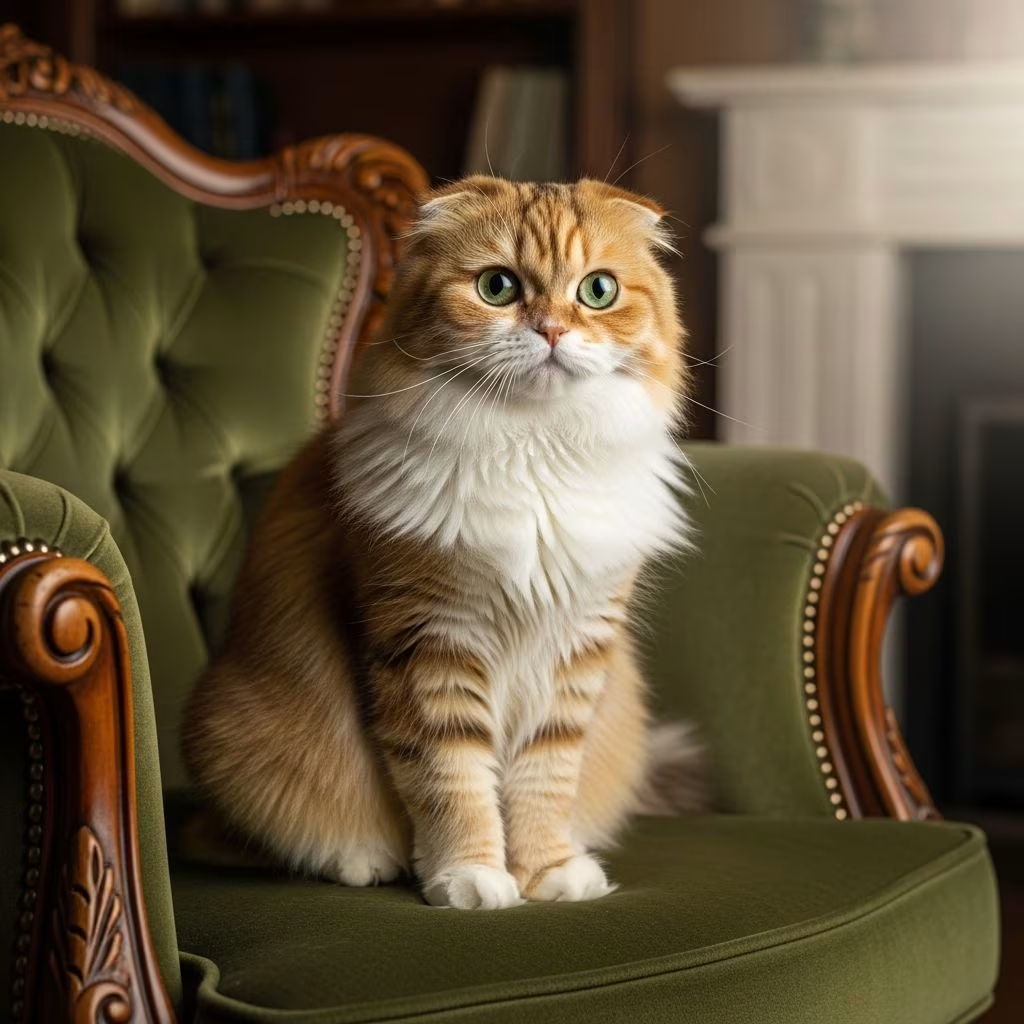
This captivating hybrid combines the luxurious long coat and serene demeanor of the Persian with the distinctive folded ears and playful curiosity of the Scottish Fold. Owners drawn to this mix often appreciate its potential for a plush, owl-like appearance paired with affectionate loyalty, though its rarity stems from deliberate breeding choices due to inherited health traits from both parent breeds.
Origins and Development of the Hybrid
The Persian Scottish Fold mix emerged from crossing two iconic purebreds, each celebrated for unique physical hallmarks. Persians trace their roots to ancient Persia, prized for their dense, flowing fur and flat facial structure, while Scottish Folds originated in 1961 Scotland from a spontaneous genetic mutation causing forward-folded ears, first noted in a barn cat named Susie. Breeders occasionally pair them to blend these aesthetics, aiming for kittens with softened features that mitigate extreme traits seen in pure lines. However, this cross remains uncommon because both breeds carry genetic predispositions to skeletal and respiratory issues, prompting ethical concerns among responsible catteries.
Unlike standardized breeds recognized by organizations like The International Cat Association (TICA), which accepts Scottish Folds in longhair varieties, hybrids like this one lack formal registries. Availability depends on specialized breeders who prioritize health testing, often producing litters where ear folding and coat length vary per kitten. Expect straight-eared outcomes in about half of offspring, as the fold trait follows an incompletely dominant inheritance pattern.
Physical Attributes and Variations
These mixes typically display a medium build with heights ranging from 10 to 18 inches at the shoulder and weights between 6 and 13 pounds, influenced by dominant parental genetics. Their coats are luxuriously thick and semi-long, inheriting the Persian’s silky texture in shades spanning solids like white, black, and cream to intricate tabbies and points. Folded ears, when present, create an endearing rounded head silhouette, complemented by large, expressive eyes—often vivid copper or blue.
Facial features may blend the Persian’s brachycephalic (short-nosed) profile with the Scottish Fold’s broader skull, resulting in less exaggerated flatness. Tail length remains proportionate, though careful handling is advised to avoid joint stress. Kittens often show their traits by 4-6 weeks, with ear cartilage folding around 21-30 days if genetically predisposed.
| Attribute | Range | Notes |
|---|---|---|
| Height | 10–18 inches | Slightly taller if Scottish Fold dominant |
| Weight | 6–13 lbs | Males generally heavier |
| Lifespan | 10–15 years | With proactive health care |
| Coat Colors | All patterns | Bi-colors, solids, torties common |
Personality Traits and Daily Interactions
Expect a gentle, people-oriented cat that thrives on quiet bonding rather than high-energy antics. This mix often mirrors the Scottish Fold’s inquisitive loyalty—following family members room-to-room—while adopting the Persian’s preference for lap cuddles in serene settings. Vocal tendencies lean toward the chatty Persian side, with soft chirps or meows signaling needs, though they’re not overly demanding.
Intelligence shines in puzzle-solving and mild trick training, thanks to the Scottish Fold’s rodent-hunting heritage, making them responsive to positive reinforcement like treats or toys. They’re adaptable to routine changes if socialized young, but may initially reserve affection for trusted humans, discriminating against strangers.
- Affectionate yet independent: Enjoys petting sessions but retreats for solo naps.
- Moderately playful: Prefers feather wands over rough chasing.
- Quiet observers: Watches household activity from perches.
Compatibility with Households
Best suited for adult-only homes or families with older children who respect boundaries. Their docile nature falters around toddlers prone to grabbing ears or tails. With pets, outcomes vary: Scottish Fold sociability may prevail, fostering harmony with calm dogs or other cats, but Persian aloofness could spark tensions. Gradual introductions via scent swapping and supervised meetings boost success rates.
Exercise and Enrichment Needs
Low to moderate activity levels call for 15-20 minutes daily of interactive play to prevent obesity. Vertical spaces like cat trees satisfy climbing urges, while window perches feed their watchful curiosity. Puzzle feeders enhance mental stimulation, aligning with their clever lineage.
Comprehensive Grooming Routine
The inherited dense undercoat demands daily brushing with a slicker tool to curb mats and shedding, especially during seasonal changes. Bathing every 4-6 weeks with cat-safe shampoo maintains coat health. Facial care is crucial for brachycephalic influences—gently wipe tear staining daily using vet-approved pads to avert skin irritation.
Ear maintenance intensifies if folds are present: weekly cleanings with solutions combat wax buildup and mites, inspecting for redness signaling infection. Dental hygiene via brushing thrice weekly and annual vet checkups counters periodontal risks common in Persians.
- Brush coat thoroughly each morning.
- Clean face folds post-meals.
- Trim nails biweekly.
- Check ears for debris weekly.
Nutrition and Dietary Considerations
High-protein, low-carb formulas support lean muscle without excess fat, tailored via portion control (1/4-1/2 cup daily, split into meals). Wet food aids hydration, vital for urinary health. Joint supplements like glucosamine benefit fold-prone skeletons, but consult vets before starting. Obesity monitoring is key, given sedentary leanings.
For flat-faced variants, elevated bowls ease breathing during meals. Fresh water fountains encourage intake, reducing kidney strain.
Health Profile and Preventive Measures
This hybrid inherits vulnerabilities from both sides, warranting health screenings in parents. Key concerns include:
- Osteochondrodysplasia (OCD): Cartilage malformation causing painful joints, prevalent in folded-ear cats.
- Polycystic Kidney Disease (PKD): Cystic growths impairing kidneys, screened via ultrasound in Persians.
- Brachycephalic issues: Breathing difficulties, eye ulcers from flat faces.
- Cardiomyopathy and Dental Disease: Heart muscle thickening; tartar buildup.
Annual vet exams, vaccinations, and genetic tests mitigate risks. Spay/neuter by 4-6 months curbs reproductive cancers and behaviors. Males unneutered may spray; females risk early heats.
Male vs. Female Distinctions
Beyond size—males 1-2 pounds heavier—personalities align closely post-sterilization. Intact males exhibit territoriality; females cycle vocally. Neutering equalizes traits.
Bringing Home a Persian Scottish Fold Mix
Rare availability means seeking ethical breeders with health certifications or rescues with purebred mixes. Kittens flourish post-12 weeks, allowing personality assessment. Budget $800-$2000 for purchases; adoptions cheaper. Setup includes scratching posts, litter boxes (uncovered preferred), and safe zones.
Frequently Asked Questions (FAQs)
Are Persian Scottish Fold mixes hypoallergenic?
No, their long coats shed moderately; regular grooming helps manage dander.
Do they have folded ears always?
Not guaranteed—genetics yield 50/50 straight vs. folded.
What’s their activity level?
Low-energy; suits apartments but needs playtime.
Can they live with dogs?
Possible with patient breeds and slow intros.
How often do they need vet visits?
Twice yearly minimum, more for health issues.
Long-Term Ownership Insights
These cats reward patient owners with years of devoted companionship, their unique looks and mellow vibes ideal for stress-free homes. Proactive care offsets genetic hurdles, potentially extending lives toward 15 years. Early detection via symptom awareness—like limping or labored breathing—ensures quality time. Joining breed groups connects owners for tips on managing folds or coats effectively.
Word count: 1678 (excluding metadata and references).
References
- Persian Scottish Fold Cat Mix: Info, Pictures, Temperament & More — Catster. 2023. https://www.catster.com/cat-breeds/persian-scottish-fold-cat-mix/
- Persian Scottish Fold Cat Mix – Care Guide, Pictures, Info & More — Hepper. 2023. https://articles.hepper.com/persian-scottish-fold-cat-mix/
- Persian Fold Kitten Information & Pictures — Dollface Persian Kittens. Accessed 2026. https://dollfacepersiankittens.com/persian-fold-kittens/
- Scottish Fold — The International Cat Association (TICA). Accessed 2026. https://tica.org/breed/scottish-fold/
- Scottish Fold — Wikipedia (citing primary genetic studies). 2023-01-15. https://en.wikipedia.org/wiki/Scottish_Fold



