

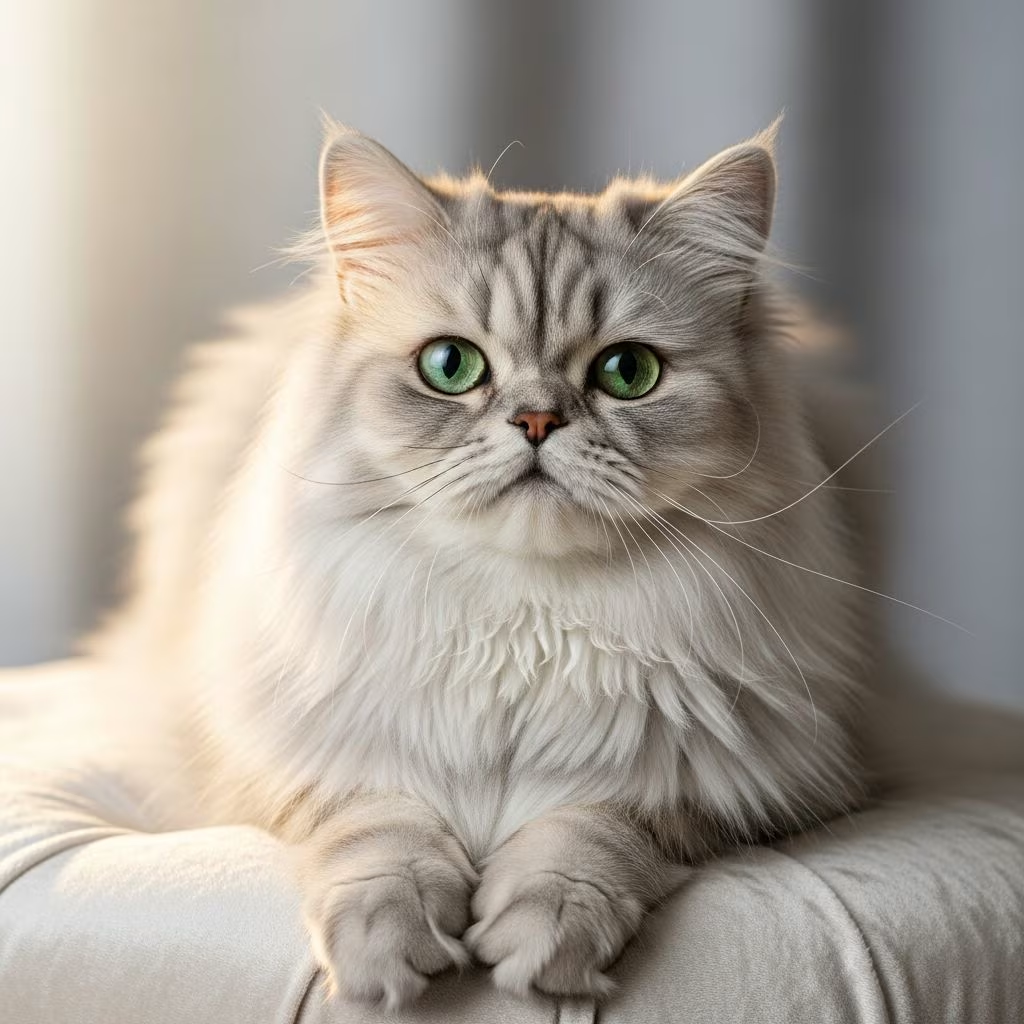
The Persian cat stands out as one of the most iconic and cherished feline breeds, renowned for its lavish long coat, expressive round eyes, and serene demeanor. Originating from ancient Persia, now modern-day Iran, this breed has captivated royalty and cat enthusiasts for centuries with its regal presence and gentle temperament.
Ancient Roots and Global Journey
Persian cats trace their lineage back several centuries, with the earliest records suggesting their presence in the region of Persia around the 1600s. Explorers like Italian traveler Pietro della Valle played a pivotal role by transporting these long-haired beauties from Persia to Europe, where they quickly became symbols of luxury and exotic allure.
Historical accounts also link their introduction to Europe through the Crusades in the 1300s, when returning warriors brought back long-haired cats from the Middle East. These felines were crossbred with local European shorthairs, laying the foundation for the breed’s development. By the 17th century, their popularity surged among European nobility, with figures like King Louis XV of France embracing them at royal courts.
The breed’s formal recognition accelerated in the late 19th century. The inaugural modern cat show at London’s Crystal Palace in 1871 showcased Persians prominently, sparking organized breeding efforts to perfect their signature traits: a round head, short muzzle, and flowing mane. American breeders later imported these cats in the early 20th century, further refining variations like the doll-faced and flat-faced types.
Signature Physical Features
Persians are medium-sized cats with a stocky, muscular build supported by short, sturdy legs. Their most striking attribute is the dense, long coat that stands off the body, forming an immense ruff around the neck and a frill between the front legs. This luxurious fur comes in a spectrum of colors and patterns, including solids, tabbies, smokes, shaded, particolors, bicolors, and the Himalayan point variety.
The head is large and round, featuring small, rounded ears set wide apart, a short nose that aligns vertically with the eyes and chin in modern standards, and brilliant, large eyes in shades of copper, blue, green, or odd-eyed combinations. The tail is short and thick, carried low without a curve.
| Feature | Description |
|---|---|
| Body | Compact, muscular, cobby with short legs |
| Head | Round with short, flat muzzle (brachycephalic) |
| Eyes | Large, round; color varies by coat |
| Coat | Long, thick, silky; multiple patterns |
| Tail | Short, thick, low carriage |
Gentle Temperament and Lifestyle Fit
Persians embody sophistication and tranquility, often described as wise, confident lap cats. They thrive in calm environments, preferring quiet homes over high-energy households. These cats form deep bonds with their owners, enjoying close cuddles and gentle petting while vocalizing softly rather than meowing loudly.
Unlike more playful breeds, Persians are content lounging on soft surfaces, observing their surroundings with a dignified poise. They get along well with respectful children, other pets, and even dogs if socialized early. Their low activity level makes them ideal for apartments or homes with limited space.
- Affectionate and people-oriented
- Quiet and low-maintenance in energy
- Adaptable to indoor living
- Selective with strangers but loyal to family
Grooming Demands of the Luxurious Coat
Maintaining a Persian’s coat requires daily commitment. Brush thoroughly with a wide-toothed comb and slicker brush to prevent mats, focusing on the ruff, belly, and hindquarters. Bathing every 4-6 weeks with cat-specific shampoo keeps the fur clean and reduces oil buildup.
Regular ear cleaning prevents wax accumulation, especially in folded ears. Trim nails bi-weekly and check paw pads. Professional grooming quarterly can help manage the dense undercoat during shedding seasons.
Nutrition and Daily Wellness
Feed Persians a high-quality diet rich in proteins and fats to support their coat health and energy needs. Opt for formulas designed for long-haired or senior cats to control hairballs. Divide meals into 2-3 small portions daily to prevent obesity, given their sedentary nature. Fresh water is essential, particularly to aid urinary health.
Portion control is key: adults typically need 200-250 calories daily, adjusted for weight and activity. Wet food helps hydration, crucial for breeds prone to kidney issues.
Health Considerations and Proactive Care
Modern Persians, with their brachycephalic (flat-faced) structure, face breathing difficulties, tear staining, and dental problems. The short muzzle restricts airways, leading to snoring, heat sensitivity, and exercise intolerance.
Common conditions include:
- Polycystic kidney disease (PKD): Genetic screening recommended
- Respiratory infections due to anatomy
- Eye issues like entropion or excessive tearing
- Hypertrophic cardiomyopathy (HCM)
- Obesity from low activity
Annual vet checkups, including ultrasounds for PKD, are vital. Choose breeders who health-test parents. Traditional or doll-faced Persians may have fewer issues than extreme Peke-faced variants.
Training and Enrichment Essentials
While not highly trainable like some breeds, Persians respond to positive reinforcement for litter use and basic cues. Interactive toys like feather wands provide gentle stimulation without overexertion. Vertical spaces and window perches satisfy curiosity.
Socialize kittens early for confidence. Clicker training works well for short sessions, rewarding calm behaviors.
Choosing Your Persian Companion
Adopt from reputable CFA-registered breeders who prioritize health over extreme features. Rescue organizations often have Persians needing homes. Expect kittens around $1,000-$2,500; adults less. Verify pedigrees, health guarantees, and socialization.
Frequently Asked Questions
Are Persian cats good for beginners?
Yes, their docile nature suits novices willing to commit to grooming and health monitoring.
How often should I groom a Persian cat?
Daily brushing; baths monthly; professional grooming as needed.
Do Persian cats shed a lot?
Yes, profusely, especially seasonally—regular brushing minimizes loose fur.
Can Persians live outdoors?
No, they prefer indoors due to coat tangling, heat sensitivity, and vulnerability.
What is the lifespan of a Persian cat?
Typically 12-15 years with proper care; up to 20 with vigilant health management.
Variations and Related Breeds
Beyond solids and tabbies, Persians include Chinchilla Persians (sparkling silver tips) and Himalayans (Siamese points on Persian body). Exotic Shorthairs share the type but with short coats.
References
- History of Persian cats — Snuffles Persians and Exotics. 2023. https://www.snufflespersiansandexotics.com.au/post/history-of-persian-cats
- Persian Cat – Breed Facts & Characteristics — Royal Canin. 2024-01-15. https://www.royalcanin.com/mt/cats/breeds/persian
- Persian Cat 101 – History, Personality and Traits — OutdoorBengal. 2023-05-10. https://www.outdoorbengal.com/blogs/cat-breeds/persian-cat-101
- Persian Cat Facts: History, Personality, and Care — ASPCA Pet Insurance. 2024. https://www.aspcapetinsurance.com/resources/persian-cat-facts/
- History, Care, and Celebrity Persian Cat Favorites — Meowtel. 2023-08-20. https://meowtel.com/blog/post/persian-cat-history-care-and-celebrity-persian-cat-favorites
- Persian — The Cat Fanciers’ Association. 2025-01-01. https://cfa.org/breed/persian/



