

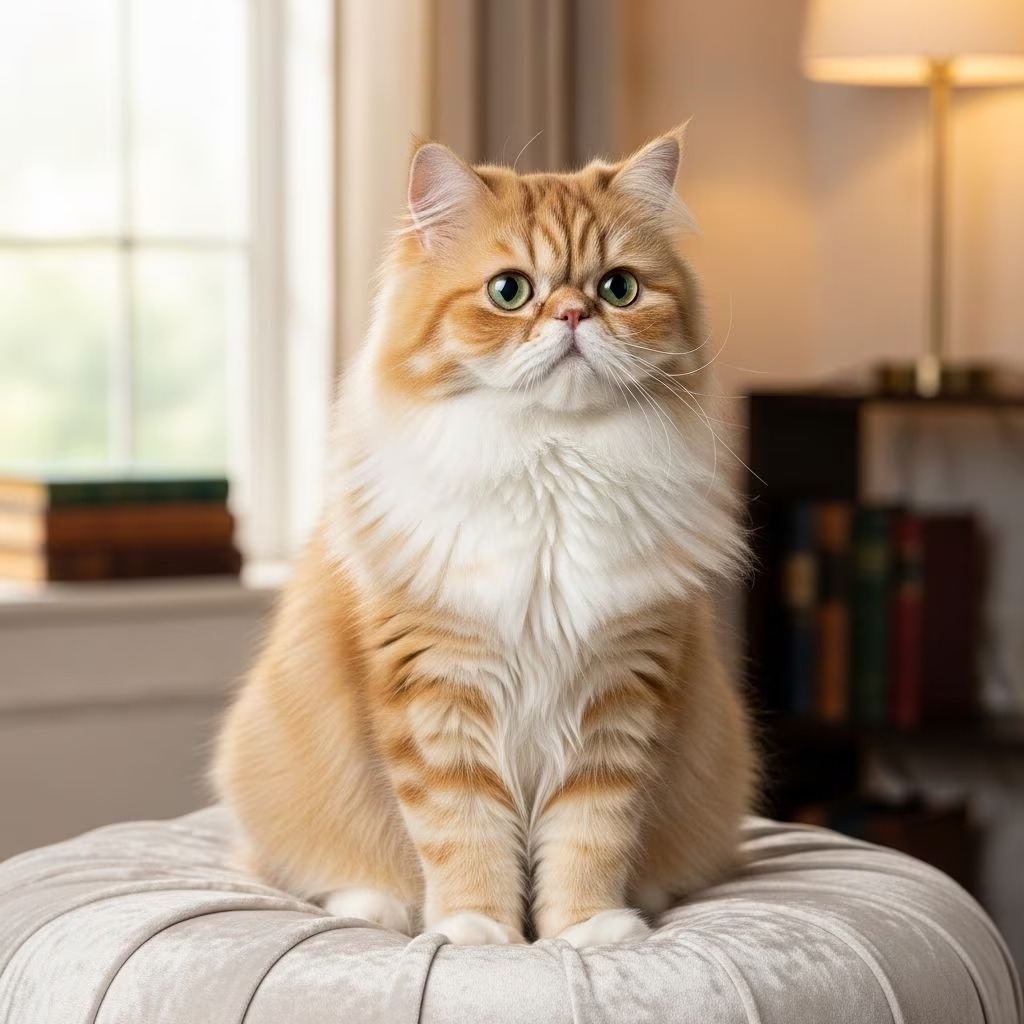
Persian cats captivate pet lovers with their regal bearing, plush coats, and tranquil dispositions. This breed, prized for centuries, combines stunning aesthetics with affectionate companionship, making them ideal for serene households.
Origins and Evolution of the Breed
The Persian cat’s lineage traces back to ancient Persia, where these felines were symbols of luxury among nobility. Imported to Europe in the 1600s, they quickly gained favor in royal courts for their opulent fur and composed nature. Over generations, selective breeding refined their signature look: a compact body, rounded head, and flowing mane.
By the 19th century, Persians dominated cat shows, influencing modern standards set by organizations like The Cat Fanciers’ Association (CFA). Early specimens featured moderate features, but 20th-century breeding emphasized extreme traits like flatter faces and denser coats, sparking debates on health impacts. Today, breeders balance beauty with vitality, producing both show-quality ‘peke-face’ Persians and traditional ‘doll-face’ variants with less pronounced muzzles.
Distinctive Physical Traits
Persians embody a ‘cobby’ build: short, sturdy legs support a broad-chested, muscular frame weighing 7-12 pounds and measuring 14-17 inches long. Their massive, rounded heads boast small, low-set ears, chubby cheeks, and enormous, expressive eyes—typically copper, blue, or odd-eyed in whites.
The hallmark is their long, thick double coat, which stands off the body with an immense ruff and plumed tail. Coat textures vary: silky in reds and blacks, cottony in creams and blues. Colors span solids (white, black, red), tabbies, smokes, particolors, and pointed patterns like Himalayans.
| Feature | Description |
|---|---|
| Body Type | Short, stocky, rounded |
| Head | Large, round with flat profile |
| Eyes | Large, round; color matches coat |
| Coat | Long, dense; all colors/patterns |
| Size | 7-12 lbs, 10-15 inches tall |
Temperament and Daily Behavior
Renowned for gentleness, Persians form deep bonds with owners, offering loyal lap-sitting without demanding constant play. They vocalize softly, prefer ground-level lounging over climbing, and adapt seamlessly to apartments or quiet homes.
Though placid, they exhibit playful bursts, chasing toys briefly before resuming naps in sunny spots. Studies highlight their high ratings in affection, cleanliness, and owner closeness compared to mixed breeds. They coexist well with respectful children and cats but favor peaceful settings over chaos.
- Affectionate: Loves petting sessions and proximity.
- Quiet: Minimal meowing, suits noise-sensitive homes.
- Low-Energy: Ideal for relaxed lifestyles.
- Social: Friendly to strangers if introduced calmly.
Grooming Essentials for Luxurious Fur
Maintaining a Persian’s coat demands commitment: daily brushing prevents mats, especially around the ruff and hindquarters. Use slicker brushes and combs, focusing on the undercoat. Bathing every 4-6 weeks with cat-specific shampoo keeps fur glossy; air-dry or low-heat blow-dry.
Face folds require daily wiping to avert tear staining and infections. Trim nails biweekly, clean ears monthly, and brush teeth regularly. Kittens need early grooming socialization for tolerance.
Nutrition and Fitness Recommendations
Feed high-quality, protein-rich food portioned to maintain ideal weight—overfeeding risks obesity in sedentary Persians. Wet food aids hydration, crucial for urinary health. Provide fresh water and measured kibble twice daily.
Encourage activity with interactive toys, laser pointers, or gentle walks on harnesses. Vertical spaces like wide shelves suit their preference for low perches. Monitor weight quarterly with vets.
Common Health Considerations
Brachycephalic (flat-faced) structure predisposes Persians to respiratory issues, dental malocclusion, and tear duct problems. Polycystic kidney disease (PKD) affects up to 50% genetically; screen breeders via ultrasound. Hypertrophic cardiomyopathy (HCM) and hip dysplasia occur less frequently.
Regular vet checkups from kittenhood detect issues early. Annual exams, vaccines, and dental cleanings are vital. Lifespan averages 12-15 years with diligent care.
- Brachycephalic syndrome: Breathing difficulties.
- PKD: Kidney cysts; genetic testing advised.
- Dental disease: Due to crowded teeth.
- Eye issues: Tear staining, entropion.
Choosing and Welcoming Your Persian
Select reputable CFA-registered breeders who health-test for PKD/HCM and offer guarantees. Shelters occasionally have Persians or mixes. Prepare with grooming tools, litter box (uncovered for easy access), and soft bedding.
Introduce gradually to new homes, providing hiding spots. Spay/neuter by 6 months prevents cancers and roaming.
Training and Enrichment Ideas
Persians respond to clicker training for litter use, harness walking, and tricks like sitting. Use treats sparingly. Enrichment includes puzzle feeders, window perches, and soft tunnels to stimulate without exhaustion.
Cost of Ownership Breakdown
| Expense | Annual Estimate |
|---|---|
| Kitten Purchase | $800-$2,500 (one-time) |
| Food | $300-$500 |
| Grooming Supplies/Vet | $400-$800 |
| Insurance | $200-$400 |
| Total First Year | $1,500-$4,000 |
Frequently Asked Questions
Are Persian cats good for beginners?
Yes, their docile nature suits novices, but grooming commitment is key.
How often should I groom a Persian?
Daily brushing; weekly baths as needed.
Do Persians get along with dogs?
Often, with proper introductions in calm homes.
What’s the difference between Persian and Himalayan?
Himalayans are colorpoint Persians with Siamese-like points.
Can Persians live outdoors?
No; their coat mats and they’re prone to health risks outside.
References
- Persian cat – Wikipedia — Wikipedia. 2023-10-01. https://en.wikipedia.org/wiki/Persian_cat
- Persian Cat: Temperament, Personality & Care – Pets Best Insurance — Pets Best. 2023-05-15. https://www.petsbest.com/blog/cat-breed-guide-persian
- Persian Cat | Traits, Appearance, General Character — VetAmerikan. 2024-02-20. https://www.vetamerikan.org/our-best-friends/cat-types/persian-(iran-cat)
- Persian – The Cat Fanciers’ Association — CFA. 2024-01-10. https://cfa.org/breed/persian/
- Persian Cat Breed – Hill’s Pet Nutrition — Hill’s Pet. 2023-11-05. https://www.hillspet.com/cat-care/cat-breeds/persian
- Persian Cat Facts: History, Personality, and Care — ASPCA Pet Insurance. 2023-08-12. https://www.aspcapetinsurance.com/resources/persian-cat-facts/



