

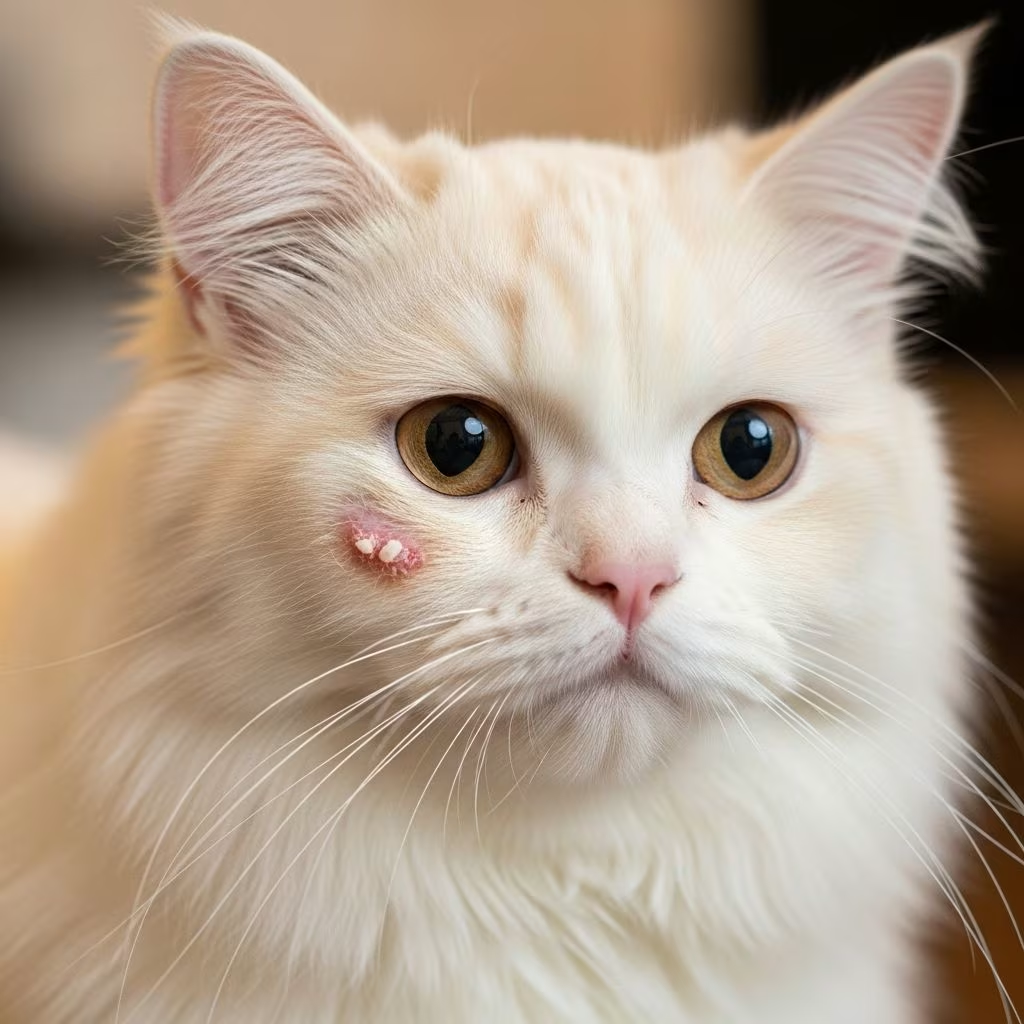
Persian cats, with their luxurious long coats and flat faces, are prone to a range of skin conditions due to their unique physiology. These issues can range from mild irritations to severe infections, often exacerbated by their dense fur trapping moisture and debris. Understanding these problems is crucial for owners to maintain their pet’s comfort and health.
Why Persians Face More Skin Challenges
The breed’s signature features contribute significantly to skin vulnerabilities. Their long, thick fur creates folds and mats that harbor bacteria, fungi, and parasites. Brachycephalic faces lead to skin creases around eyes, nose, and mouth, ideal for irritation buildup. Additionally, Persians often have weaker immune responses linked to genetic conditions like polycystic kidney disease, making them susceptible to infections.
Regular grooming is essential but challenging; without it, poor air circulation under fur promotes dampness and microbial growth. Obesity, common in sedentary Persians, further impairs self-grooming, worsening conditions.
Common Skin Conditions in Persian Cats
Seborrhea and Greasy Coat Disorders
Seborrhea stands out as a primary concern, where overactive sebaceous glands produce excess oily secretions, leading to a greasy, smelly coat. Affected areas include the back, face, ears, and skin folds. Skin reddens, inflames, and prompts intense scratching, potentially causing wounds.
- Symptoms: Flaky dandruff, foul odor, red patches, hair matting.
- Diagnosis: Vet skin scrapings and cytology to rule out infections.
Fungal Infections Like Ringworm
Dermatophytosis, or ringworm, thrives in Persians due to fur density. Caused by fungi such as Microsporum canis, it creates circular bald patches with crusty, scaly edges. Immunocompromised cats suffer worse outbreaks.
- Symptoms: Hair loss in patches, broken hairs, itching, thickened skin.
- Risk factors: Multi-cat homes, outdoor exposure, stress.
Treatment demands systemic antifungals like itraconazole alongside topical rinses (e.g., miconazole-chlorhexidine mixes) for weeks.
Eosinophilic Granuloma Complex
This allergic reaction manifests as ulcers, plaques, or granulomas. Common sites: upper lip (rodent ulcer), thighs, torso. Raised lesions ooze, ulcerate, and cause hair loss.
| Type | Location | Appearance |
|---|---|---|
| Ulcer | Mouth/lip | Open sore, eroded edges |
| Plaque | Torso/thighs | Raised, red, hairless |
| Granuloma | Face/chin | Swollen, nodular |
Acne and Blackheads
Chin acne appears as blackheads resembling flea dirt, often in fold-prone Persians. Blockages lead to folliculitis and cysts.
- Treatment: Benzoyl peroxide shampoos, antibiotics for infections.
Mange and Miliary Dermatitis
Mange from mites causes crusting and alopecia, while miliary dermatitis presents as tiny scabs from allergies or fleas. Persians’ fur hides these until advanced.
Root Causes of Skin Troubles
Parasitic Infestations
Fleas trigger allergy dermatitis; saliva causes hypersensitivity. Mites (demodex, notoedres) burrow, leading to mange. Ticks and lice add insult.
Allergic Reactions
Food proteins, pollen, dust mites provoke atopic dermatitis. Persians show miliary scabs or eosinophilic lesions.
Nutritional Deficiencies
Poor diets lack omega-3s, leading to dry, inflamed skin. Excess carbs promote obesity-related issues.
Environmental and Lifestyle Factors
High humidity fosters fungi; obesity hinders grooming; stress induces overgrooming. Kidney diseases weaken immunity.
Spotting Symptoms Early
Watch for excessive scratching, bald spots, redness, scabs, odor, or behavioral changes like lethargy. Check folds weekly: part fur for dampness, flakes, or parasites. Early vet visits prevent escalation.
Treatment Strategies
Tailored to cause: antifungals for ringworm, steroids for allergies, antibiotics for bacteria.
- Topical: Medicated shampoos (antiseborrheic, antifungal), dips.
- Systemic: Oral meds like cyclosporine, prednisone.
- Supportive: Omega-3 supplements for inflammation.
Severe cases need biopsies or cultures.
Prevention Through Daily Care
Grooming Routines
Brush daily with slicker tools; bathe biweekly with vet shampoos. Trim fur in folds.
Diet Optimization
High-protein, low-carb foods with balanced fats/vitamins. Hydration prevents dry skin.
Parasite Control
Monthly topicals (e.g., fipronil) and environmental cleaning.
Health Monitoring
Annual vet checks for kidneys; maintain ideal weight.
FAQ
Can diet alone fix my Persian’s skin issues?
Diet supports but doesn’t cure infections; combine with meds.
How long does ringworm treatment take?
4-8 weeks; follow-up cultures confirm clearance.
Is overgrooming a sign of skin problems?
Yes, often from allergies or anxiety; address both.
Are Persians allergy-prone?
Yes, due to genetics; hypoallergenic diets help.
What’s the best shampoo for greasy fur?
Vet-recommended antiseborrheic formulas.
Long-Term Management Tips
Consistency is key: integrate grooming, flea prevention, and nutrition. Stress reduction via play/enrichment aids immunity. Consult vets for breed-specific protocols. Persians can thrive with proactive care.
References
- Persian cat skin conditions and adequate treatments — Untamed. 2023. https://untamed.com/blogs/cat-breeds/persian-cat-skin-conditions
- Preventing a Persian Cat Skin Infection in Long-Haired Breeds — Goel Vet Pharma. 2023. https://goelvetpharma.com/blogs/pet-blogs/preventing-a-persian-cat-skin-infection-in-long-haired-breeds
- Cat Miliary Dermatitis: Causes and Treatment — MedVet. 2024-02-17. https://www.medvet.com/cat-miliary-dermatitis-causes-and-treatment/
- Skin Conditions in Cats: Types, Symptoms, and Treatment — PetMD. 2025. https://www.petmd.com/cat/general-health/skin-conditions-in-cats
- Feline Skin Diseases — Cornell University College of Veterinary Medicine. 2023. https://www.vet.cornell.edu/departments-centers-and-institutes/cornell-feline-health-center/health-information/feline-health-topics/feline-skin-diseases
- Persian – Dermatophytosis — UFAW. 2023. https://www.ufaw.org.uk/cats/persian-dermatophytosis



