

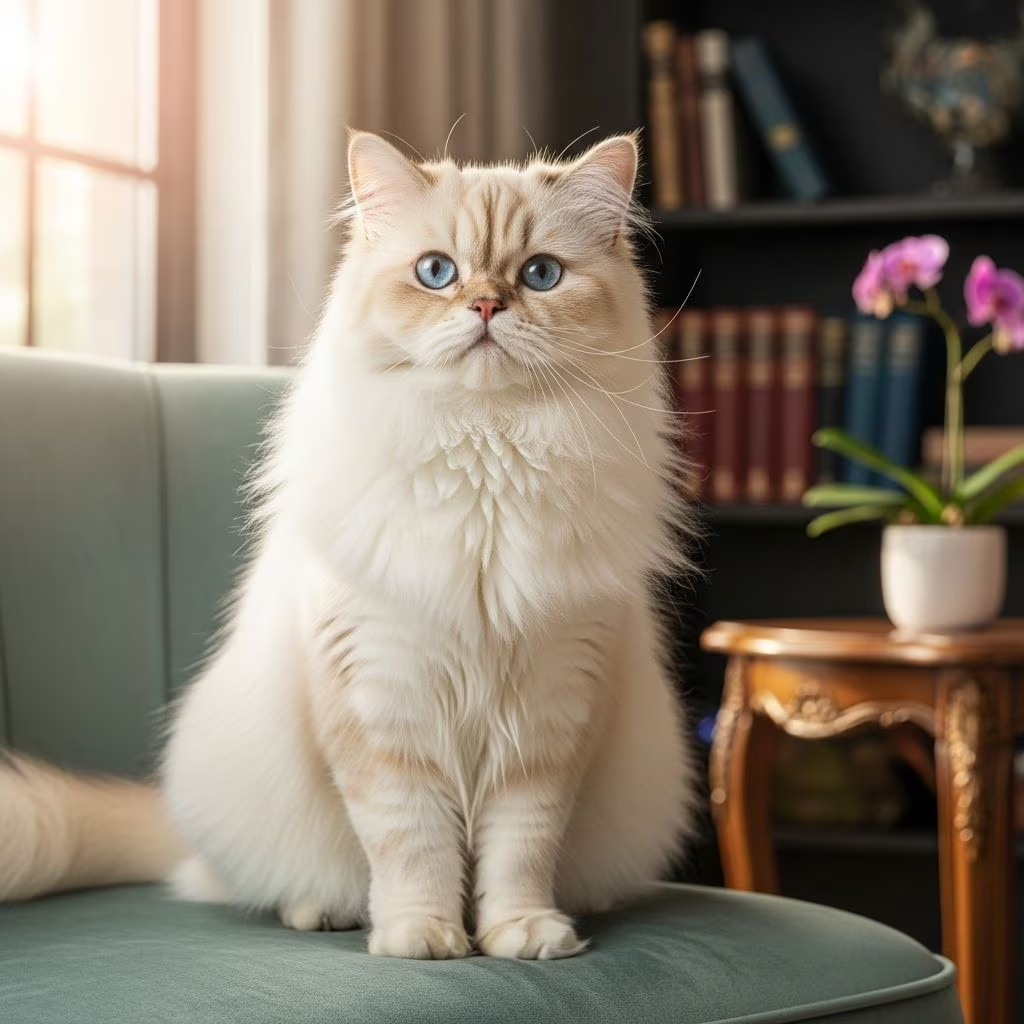
The Persian cat stands as one of the most iconic and beloved feline breeds, renowned for its lavish long coat, serene demeanor, and striking facial features. Originating from ancient regions, this breed has evolved into a symbol of elegance and tranquility in households around the world.
Ancient Roots and Breed Development
Persian cats trace their lineage to the Middle East, particularly the area once known as Persia, now modern-day Iran. Historical records suggest that long-haired cats appeared in Europe during the 17th century, introduced by travelers like Pietro della Valle, who brought specimens from Persia in the 1600s. These cats quickly captivated European nobility with their opulent fur and distinctive looks.
Earlier hints of long-haired felines appear in ancient hieroglyphs, possibly linking them to regions in Turkey and Persia. Naturalists propose that the long coat may have arisen from genetic mutations or interbreeding with wild species like the Pallas cat, adapted to cold climates. By the 19th century, organized breeding in England refined these traits. The inaugural cat show at London’s Crystal Palace in 1871 showcased Persians prominently, marking the breed’s formal recognition.
American breeders imported Persians in the early 1800s, further shaping the breed. Initial crosses with Turkish Angoras produced a sturdier frame with silky, dense coats. Over decades, standards emphasized a rounded head, short muzzle, large eyes, and heavy boning, evolving from ‘doll-faced’ to the flatter ‘Peke-faced’ varieties popular mid-20th century.
Distinctive Physical Characteristics
Persians boast a compact, muscular body on short, sturdy legs, giving them a low-slung, cobby appearance. Their head is massive and round, featuring small rounded ears set wide apart, full cheeks, and enormous, rounded eyes in vivid colors like copper or blue.
The hallmark is the luxurious double coat: long, thick, and flowing, with a dense undercoat and silky topcoat. A prominent ruff frames the neck, and the tail forms a bushy plume. Persians appear in solid colors, tabbies, bi-colors, particolors, smokes, shadeds, and silvers/goldens, with textures varying by pattern.
| Feature | Description |
|---|---|
| Head & Face | Round skull, short muzzle, large open eyes, snub nose |
| Body | Short, stocky build with deep chest |
| Coat | Long, dense, flowing; requires daily maintenance |
| Legs & Tail | Short legs; bushy plume tail |
Temperament and Daily Behavior
Persians embody gentleness and docility, thriving in quiet, low-stress homes. They are affectionate lap cats, preferring to lounge on sofas or observe family life from afar rather than engage in high-energy play. Their calm nature suits apartments and multi-pet households, though they bond deeply with owners.
Unlike active breeds, Persians vocalize softly and rarely climb or scratch furniture. They enjoy petting sessions and gentle interaction, making them ideal for seniors or families seeking relaxed companions. Socialization from kittenhood ensures they adapt well to visitors.
- Affectionate: Loves close contact without being demanding.
- Quiet: Minimal meowing; communicates subtly.
- Easygoing: Adapts to sedentary lifestyles.
- Intelligent: Observant but not overly curious.
Grooming Routines for Luxurious Coats
Maintaining a Persian’s coat demands commitment. Daily brushing prevents mats, especially around the ruff, belly, and hindquarters. Use slicker brushes and wide-tooth combs, working from skin outward. Bathing every 4-6 weeks with cat-specific shampoo keeps fur clean and reduces oil buildup.
Face care is crucial due to flat features: gently clean eye corners daily with damp cotton to prevent tear staining. Trim fur around eyes and sanitary areas monthly. Nail clipping bi-weekly and professional grooming quarterly help manage shedding seasons.
- Brush daily for 10-15 minutes.
- Check eyes and face folds daily.
- Bathe as needed; dry thoroughly.
- Provide diet supporting coat health.
Optimal Living Spaces and Nutrition
Persians flourish in calm environments with ample lounging spots like window perches or soft beds. Avoid drafts, as their coat insulates but flat faces make them sensitive to heat. Interactive toys suit short play bursts, but prioritize scratching posts to protect furniture.
Feed high-quality, low-carb diets rich in proteins to combat obesity risks. Measure portions: adults need 200-250 calories daily, split into meals. Fresh water and dental treats support health. Annual vet checkups monitor weight and coat condition.
Health Considerations and Lifespan
With proper care, Persians live 12-15 years. Flat-faced varieties face brachycephalic issues: breathing difficulties, tear duct overflow, and dental overcrowding. Responsible breeders screen for polycystic kidney disease (PKD), hypertrophic cardiomyopathy (HCM), and hip dysplasia via ultrasounds and genetics.
Preventive measures include weight control, dental cleanings, and eye washes. Traditional ‘doll-face’ Persians often have fewer respiratory woes. Early spaying/neutering reduces cancer risks.
| Common Issue | Symptoms | Prevention |
|---|---|---|
| Brachycephalic Syndrome | Snoring, panting | Choose moderate muzzles |
| PKD | Kidney failure signs | Genetic testing |
| Dental Disease | Bad breath, tooth loss | Regular brushing |
Bringing a Persian into Your Home
Select reputable breeders adhering to CFA or TICA standards, prioritizing health testing. Kittens should be vet-checked, vaccinated, and socialized. Rescues offer adult Persians needing homes. Budget for grooming tools, premium food ($50-100/month), and vet costs ($300-500/year).
Prepare with litter boxes (one per cat +1), elevated bowls, and pheromone diffusers for stress-free transitions. Persians reward patience with unwavering loyalty.
Persians in Culture and Popularity
From royal courts to modern media, Persians symbolize luxury. Their presence in art, shows, and celebrity homes underscores enduring appeal. Post-WWII breeding booms solidified dominance in competitions.
Frequently Asked Questions
Are Persian cats good for beginners?
Yes, their low-maintenance personality suits novices, but grooming commitment is key.
How often should I bathe my Persian?
Every 4-6 weeks or as needed; overbathing dries the skin.
Do Persians get along with dogs?
Often yes, with proper introductions; their calm nature aids harmony.
What’s the difference between doll-face and Peke-face Persians?
Doll-face have protruding muzzles; Peke-face are flatter, per TICA/CFA standards.
Can Persians live outdoors?
No, their coat mats easily, and flat faces hinder temperature regulation.
References
- History of Persian cats — Snuffles Persians and Exotics. 2023. https://www.snufflespersiansandexotics.com.au/post/history-of-persian-cats
- Persian – TICA — The International Cat Association. 2024-01-15. https://tica.org/breed/persian/
- Persian History, Part 1 — Persian Breed Club. 2022. https://www.persianbc.org/history1.php
- Persian Cat | Traits, Appearance — VetAmerikan. 2024. https://www.vetamerikan.org/our-best-friends/cat-types/persian-(iran-cat)
- Persian Cat Facts: History, Personality, and Care — ASPCA Pet Insurance. 2023-05-10. https://www.aspcapetinsurance.com/resources/persian-cat-facts/



