

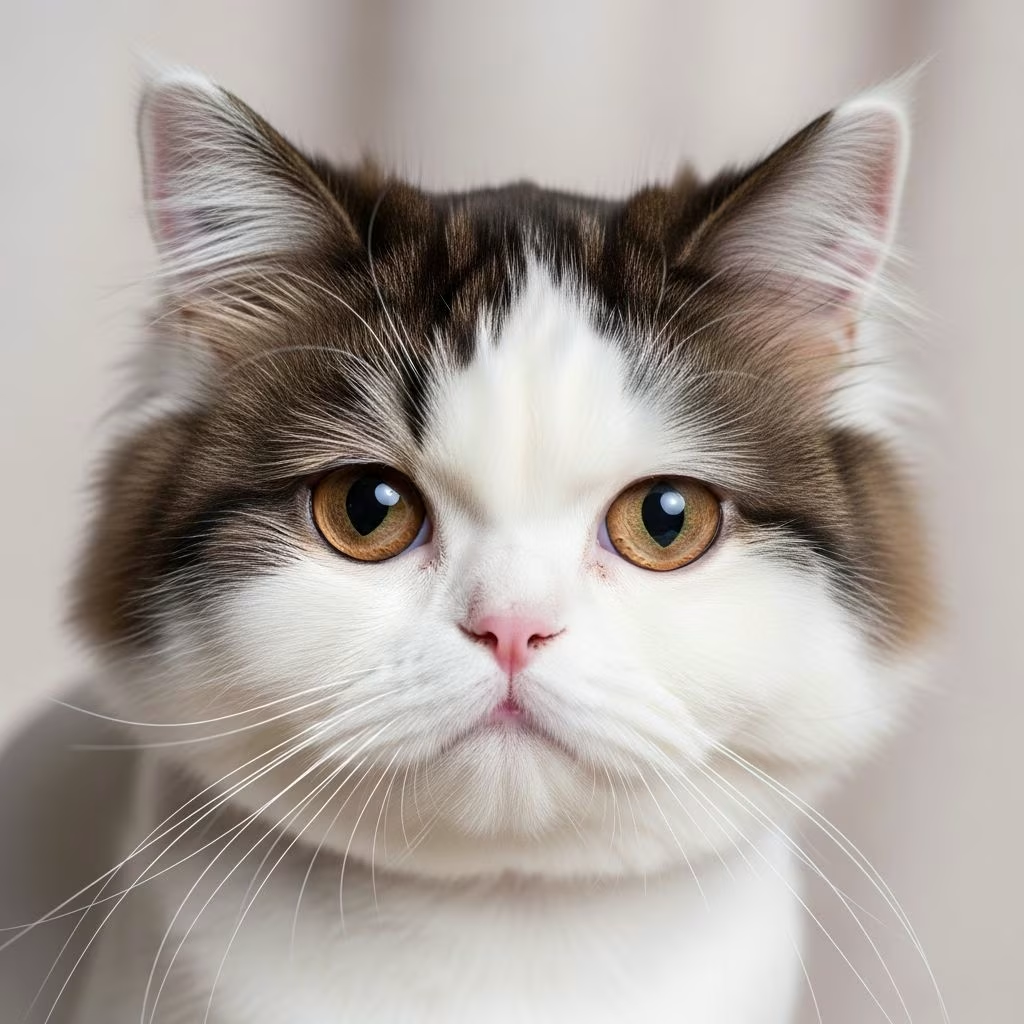
Persian Cat Face Grooming and Cleaning Tips
Persian cats are known for their luxurious, flowing coats and distinctive flat faces, but their unique facial structure requires specialized grooming attention. Proper grooming is essential not only for maintaining their striking appearance but also for their overall health and comfort. A well-groomed Persian cat will have clean eyes, healthy ears, trimmed nails, and a beautifully sculpted face that showcases their breed characteristics. Whether you’re preparing your Persian for a cat show or simply maintaining daily grooming standards at home, understanding the proper techniques and tools is crucial for success.
Eye Cleaning and Care for Persian Cats
One of the most important aspects of Persian cat grooming is regular eye cleaning. Due to their flat facial structure, Persian cats are prone to eye discharge and tearing, which can create unsightly stains and lead to discomfort if not properly managed. Their prominent eyes and facial anatomy make them susceptible to debris accumulation and moisture issues that require consistent attention.
To properly clean your Persian’s eyes, use a damp, clean cloth and gently wipe around the eye area once or twice daily. It’s crucial to avoid using any soap, which can irritate the delicate eye tissue. When cleaning, never rub directly on the eyeball itself, as this can cause injury or discomfort. Instead, focus on the surrounding area where discharge tends to accumulate. This simple daily routine will help prevent tear staining, reduce the risk of eye infections, and keep your cat comfortable throughout the day.
For best results, use a fresh cloth for each eye to prevent cross-contamination. Many Persian owners find that establishing a consistent eye-cleaning routine in the morning helps their cats start the day feeling fresh and clean. If you notice excessive discharge, redness, or swelling, consult your veterinarian, as these may indicate an underlying eye condition requiring professional treatment.
Ear Cleaning and Maintenance
Persian cats often resist having their ears cleaned, which can make this grooming task challenging. However, regular ear maintenance is essential for preventing infections and maintaining comfort. The key to successful ear cleaning is restraining your cat properly to make the process easier for both you and your pet.
The Burrito Wrapping Technique
Professional Persian breeders recommend a highly effective restraint method known as the “burrito wrap.” This technique, as described by experienced breeders, involves placing a large, thick towel on a flat surface and positioning your Persian in the center. Wrap the towel around your cat’s body, leaving only the head and tail exposed. Then bring the back end of the towel over toward the front, positioning it just behind the cat’s head to cover the tail. Finally, tuck the loose ends underneath to create a secure wrap. This method allows you to hold your cat with one hand while using the other to clean the ears, making the process significantly more manageable and comfortable for your feline companion.
This restraint technique is invaluable because it prevents your cat from thrashing around and provides stability during the cleaning process. Many Persian owners find that this method reduces stress for both themselves and their cats, making ear cleaning a more positive experience. The burrito wrap is particularly useful when your cat is nervous or resistant to ear handling.
Nail Trimming Essentials
Regular nail trimming is a fundamental part of Persian cat grooming and health maintenance. Most cats have five claws on each front paw and four on each back paw. These nails grow continuously and require trimming every 10 to 14 days to maintain proper length and prevent overgrowth that can cause discomfort or damage to your home.
Starting Early with Kittens
The best time to begin nail trimming is when your Persian is still a kitten. Introducing nail care early in life helps your cat become accustomed to the process and makes routine maintenance much easier as your cat matures. Surprising an adult cat with its first nail trim often yields undesirable results, including resistance, anxiety, and behavioral issues around grooming. Kittens that are gradually introduced to nail trimming typically accept it as a normal part of their grooming routine.
Proper Nail Trimming Technique
To trim your Persian’s nails safely and effectively, you’ll need special cat nail clippers available at any pet supply store. Hold one paw in your hand with your forefinger positioned below the toenail you wish to clip. Place your thumb over the top of the toe and squeeze gently—the entire nail will extend and become visible. Clip the nail just in front of the pink area (the quick), which contains blood vessels and nerves. For cats with dark nails where the quick is difficult to see, clip just below the point where the nail begins to curve downward. This prevents cutting into the quick, which would cause bleeding and pain.
If you’re uncomfortable trimming nails yourself, ask your veterinarian or their technician to demonstrate the proper technique. Many vets are happy to show pet owners how to perform this task safely and correctly. A good strategy is to trim nails right before bathing your Persian—not for the cat’s benefit, but for yours. Even the most well-behaved Persian can become grumpy during bath time, so completing nail trimming first helps you avoid dealing with an irritable cat during the bathing process.
Face Sculpting for Show Cats
Face sculpting is an advanced grooming technique designed to showcase the Persian’s signature expression and breed characteristics. This cut is particularly important for show cats and requires skill, practice, and the right equipment. You can begin face sculpting when your kitten reaches approximately 5 months of age, once the face structure has developed sufficiently.
Essential Tools for Face Sculpting
To perform face sculpting, invest in high-quality grooming equipment specifically designed for this purpose. You’ll need:
- Small, blunt, curved scissors for precise trimming
- Thinning shears for creating natural-looking texture
- A stripping knife for evening out mixed lengths of hair
These supplies are available at pet and grooming supply stores and online retailers. Quality equipment makes a significant difference in achieving professional results, so it’s worth investing in durable, well-made tools rather than cheaper alternatives.
Using the Stripping Knife Correctly
A stripping knife is a specialized tool that requires proper technique to use effectively. Hold it with your thumb on the rounded top portion of the blade. By adjusting the angle at which you hold the knife, you can remove just a few hairs or an entire section of coat. Practicing this technique on a non-show cat first is highly recommended before attempting it on a show cat, as it takes time to develop the feel and control necessary for precise results.
The Sculpting Process
Begin face sculpting after your cat is thoroughly brushed and bathed. Place your cat on a contrasting surface—a dark towel for light-colored cats or a light towel for dark-colored cats—to give yourself clear visibility. Think “round” when sculpting a Persian’s face, as the perfectly round face is the ideal. The best approach is to take multiple snapshots of your cat’s head from various angles before beginning, using these references to guide your sculpting. Once you’ve achieved the basic shape you’re happy with, it becomes much easier to maintain, requiring only occasional plucking of stray hairs.
Step-by-Step Sculpting Technique
Start by rounding the ears with your curved scissors. The ears should not stand out prominently in this breed—instead, emphasis should be on the fine, round cheeks. Trim the hair above the eyes if it’s long enough that it would cover the eyes when brushed down, carefully showcasing those large, round eyes that are so characteristic of the breed.
Use thinning shears to trim away the “horns”—those tufts of hair that sometimes grow on the sides of the eyes and disrupt the smooth facial outline. Be extremely careful not to cut the whiskers, as these are important sensory organs for your cat. However, you can hand-pluck any excess hairs in small amounts to refine the facial shape. Remember the golden rule of grooming: you can’t put hair back once it’s cut, so work conservatively and build up gradually to your desired look. The goal is to create a natural appearance, not one that looks noticeably trimmed.
Alternative Grooming: The Lion Cut
For Persian cats with severely matted or knotted fur, a lion cut offers a practical alternative to traditional face sculpting. This dramatic grooming style mimics the appearance of a Poodle clip, with the majority of the body shaved short while the tail, legs, and mane around the head are left long. While lion-cut Persians are not permitted in cat shows due to breed standard requirements, this cut remains striking and aesthetically appealing.
The lion cut is particularly useful when a Persian’s coat has developed extensive mats that are difficult or painful to remove through normal grooming. It provides relief for the cat by removing matted areas while maintaining the beautiful long hair in key areas. Many cat owners also appreciate the lion cut during warmer months, as it helps reduce shedding and makes grooming maintenance much easier in the short term.
Creating the Ideal Round Face Shape
The hallmark of a beautifully groomed Persian face is its roundness. Professional groomers emphasize that achieving this shape requires intention and practice. Start at the chin and work in a smile-like shape upward toward the ears. The hair above the eyes should be carefully trimmed to frame those large, prominent eyes. The goal is to enhance the cat’s natural features and breed-standard expression while making the face appear as round and balanced as possible.
The key to maintaining consistency is taking regular photographs of your cat from various angles and reviewing them to ensure symmetry and proper shape. This visual reference system helps you maintain consistency in future grooming sessions and ensures that your sculpting efforts are creating the desired effect.
General Grooming Best Practices
Beyond specific face grooming techniques, several general practices support your Persian’s overall grooming routine. Regular bathing helps maintain coat health and cleanliness, making brushing and other grooming tasks easier. Always use a high-quality cat shampoo and ensure thorough drying afterward. Establish a consistent grooming schedule, dedicating time each week to brushing your cat’s coat and checking for mats, tangles, or skin issues.
Be patient with your cat during grooming sessions, offering praise and rewards for good behavior. Building positive associations with grooming helps your Persian accept these necessary care activities more readily. If your cat becomes stressed or anxious during grooming, take breaks and resume later rather than forcing extended grooming sessions.
Frequently Asked Questions About Persian Cat Grooming
How often should I clean my Persian cat’s eyes?
You should clean your Persian cat’s eyes once or twice daily with a damp, clean cloth. This prevents tear staining and maintains comfort. Some owners prefer daily morning cleaning as part of their routine.
What should I do if my Persian cat resists ear cleaning?
Try the burrito wrapping technique, which provides a secure and calming restraint method. This approach allows you to work with one hand while holding your cat with the other, making the process easier and less stressful for both of you.
How often should Persian cat nails be trimmed?
Trim your Persian’s nails every 10 to 14 days to maintain proper length and prevent overgrowth. Starting this routine when your cat is a kitten helps them accept nail trimming as a normal part of grooming.
When can I start face sculpting on my Persian kitten?
You can begin face sculpting when your kitten is approximately 5 months old, once the facial structure has developed sufficiently. However, ensure your kitten is already comfortable with regular grooming before introducing this advanced technique.
Is the lion cut appropriate for show cats?
No, lion-cut Persians are not permitted in cat shows, as the breed standard requires the long, flowing coat. However, the lion cut is appropriate for pet cats with severe matting or for owners seeking easier maintenance.
What tools do I need for face sculpting?
Essential tools include small blunt curved scissors, thinning shears, and a stripping knife. These tools are available at pet supply stores and online. Investing in high-quality equipment produces better results than cheaper alternatives.
References
- Persian Cat Face Grooming And Cleaning Tips — Chewy Inc. 2024. https://www.chewy.com/education/cat/grooming/persian-cat-face-grooming-and-cleaning-tips
- Cat Grooming Demo: Persian Face Trim, Belly Shave — National Cat Groomers Association of America (NCGIA). August 2025. https://www.youtube.com/watch?v=xv6aVlR8GJA
- Prepping the Persian for Show — Groomer to Groomer Magazine. December 2024. https://digital.groomertogroomer.com/issue/december-2024/prepping-the-persian-for-show/
- The Cat Fanciers’ Association Persian Breed Standard — The Cat Fanciers’ Association (CFA). 2024. https://www.cfa.org



