

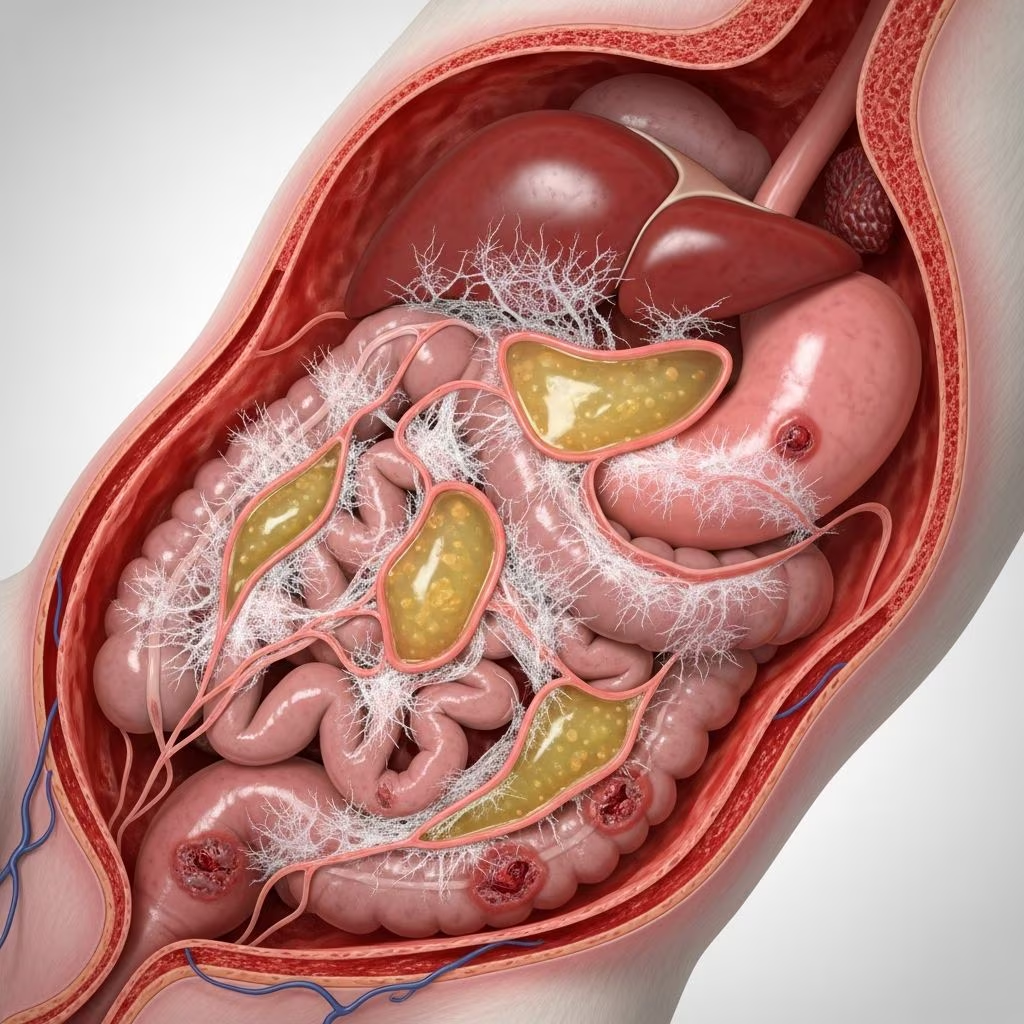
Peritonitis represents one of the most urgent medical emergencies in canine health, characterized by severe inflammation of the peritoneum—the thin membrane enveloping the abdominal cavity and its organs. This condition demands swift veterinary intervention, as delays can lead to rapid deterioration and high mortality rates. Dog owners must recognize its gravity to act promptly.
Defining the Peritoneum and Its Role
The peritoneum serves as a protective lining inside the abdomen, facilitating organ movement while producing lubricating fluid to minimize friction. When inflamed, this membrane triggers intense pain and systemic effects, disrupting normal bodily functions. In dogs, peritonitis often stems from bacterial invasions or chemical irritants, escalating into a full-blown crisis.
Primary Triggers Behind Canine Peritonitis
Understanding the origins of peritonitis is key to prevention and early detection. Most cases arise secondarily from underlying issues rather than spontaneously.
- Organ Perforation: Ruptures in the gastrointestinal tract, often from swallowed foreign objects like toys or bones, release digestive contents into the abdomen, fostering bacterial growth.
- Trauma: Penetrating injuries from sticks, bites, or blunt force can introduce contaminants directly into the peritoneal space.
- Infections: Bacterial spread from sources like a ruptured uterus (pyometra), prostate abscesses, or post-surgical sites can ignite inflammation. Fungal or viral agents are rarer culprits.
- Pancreatitis Complications: Leaking pancreatic enzymes irritate the peritoneum, mimicking infectious peritonitis.
- Medication Side Effects: Certain drugs, including steroids and NSAIDs, may erode stomach linings, leading to ulcers and perforations.
- Idiopathic Cases: In a minority, no clear cause emerges, possibly linked to immune vulnerabilities.
Septic peritonitis, driven by bacteria, dominates, contrasting with sterile forms from bile or urine leaks.
Recognizing the Warning Signs
Symptoms vary by acuity but share a pattern of abdominal distress and systemic collapse. Acute cases strike suddenly, while chronic ones build subtly.
| Symptom | Description | Severity Indicator |
|---|---|---|
| Abdominal Pain | Dog hunches, guards belly, resents touch | High—often first sign |
| Vomiting | Persistent, possibly bloody | Moderate to high |
| Lethargy/Collapse | Weakness, reluctance to move | Critical—shock imminent |
| Abdominal Distension | Swollen belly from fluid buildup | High |
| Fever or Hypothermia | Body temperature extremes | Variable |
| Loss of Appetite | Refusal of food/water | Early indicator |
| Difficulty Breathing | Shallow breaths due to pressure | Severe |
Owners noting these—especially pain with vomiting—should rush to a vet, as shock can ensue rapidly from toxin overload.
Diagnostic Approaches for Confirmation
Veterinarians employ a multi-step process to pinpoint peritonitis and its source, prioritizing stabilization.
- Physical Exam: Palpation reveals pain, distension, or masses.
- Blood Analysis: Checks for elevated white cells, toxins, electrolyte shifts, and organ stress markers.
- Imaging: X-rays, ultrasound, or CT scans detect fluid, free air, or ruptures.
- Fluid Analysis: Abdominocentesis samples peritoneal fluid for bacteria, cells, or irritants—gold standard.
- Exploratory Surgery: If needed, direct visualization confirms and addresses issues.
Urinalysis rules out urinary sources. Speed is essential, as results guide life-saving steps.
Comprehensive Treatment Strategies
Treatment focuses on stabilization, source elimination, and infection control. Hospitalization is standard.
- Fluid Resuscitation: IV fluids combat dehydration, shock, and imbalances.
- Antibiotics: Broad-spectrum IV drugs target likely pathogens, narrowed by cultures.
- Pain Control: Analgesics ease suffering without masking progress.
- Anti-Nausea Meds: Prevent further fluid loss.
- Surgical Intervention: Repairs leaks, removes debris, lavages the cavity—often open or laparoscopic.
- Supportive Care: Nutrition via tubes, blood products if clotting falters.
Post-op, drains manage residual fluid; recovery spans days to weeks with monitoring.
Prognosis and Influencing Factors
Survival hinges on cause, timeliness, and dog resilience. Septic cases post-GI rupture carry 50-70% mortality despite care, better for sterile types. Early intervention boosts odds; chronic cases fare better than acute. Breeds with deep chests or immune issues may face higher risks.
Prevention Tactics for Proactive Owners
While not all cases are avoidable, risks drop with vigilance.
- Supervise play to prevent foreign body ingestion or trauma.
- Spay females to avoid pyometra.
- Manage pancreatitis, ulcers via diet/med compliance.
- Post-surgery wound monitoring.
- Annual checkups for at-risk dogs.
Prompt vet visits for GI upset curb progression.
Frequently Asked Questions (FAQs)
What is the survival rate for dogs with peritonitis?
Outcomes vary: 30-80% survival, higher with quick surgery for non-septic causes.
Can peritonitis resolve without surgery?
Rarely; medical management suits mild/sterile cases, but most need intervention.
How long is recovery after peritonitis treatment?
1-4 weeks, with hospitalization 3-7 days; follow-ups essential.
Is peritonitis contagious to other pets?
No, it’s not transmissible; focus on individual causes.
What home care follows discharge?
Rest, meds, small meals, watch for fever/pain recurrence.
Long-Term Management and Monitoring
Survivors require tailored diets low in irritants, probiotics for gut health, and periodic ultrasounds. Weight monitoring prevents pancreatitis relapse. Owners should track bowel habits and energy, reporting anomalies immediately. Behavioral changes like hiding signal discomfort. With diligence, many dogs reclaim vitality.
(Word count: 1678)
References
- Peritonitis in Dogs – Causes, Treatment and Associated Conditions — Vetster. 2023. https://vetster.com/en/conditions/dog/peritonitis-in-dogs
- What is peritonitis in dogs? | Pet Care Advice — Vets Now. 2023. https://www.vets-now.com/pet-care-advice/peritonitis-in-dogs/
- Peritonitis in Dogs: Causes, Symptoms, and Treatment — PetCareRx. 2023. https://www.petcarerx.com/article/peritonitis-in-dogs-causes-symptoms-and-treatment/6901
- Peritonitis in Dogs: Symptoms and Therapies — Veteris. 2023. https://veteris.co.uk/petcare-advice/peritonitis-in-dogs-symptoms-and-therapies
- Peritonitis in Dogs – Dog Owners – Merck Veterinary Manual — Merck Veterinary Manual. 2023-10-18. https://www.merckvetmanual.com/dog-owners/disorders-affecting-multiple-body-systems-of-dogs/peritonitis-in-dogs
- Peritonitis in Pets — BluePearl Pet Hospital. 2023. https://bluepearlvet.com/medical-articles-for-pet-owners/peritonitis/
- Peritonitis — Animal Surgical Center of Michigan. 2023. https://www.animalsurgicalcenter.com/peritonitis



