

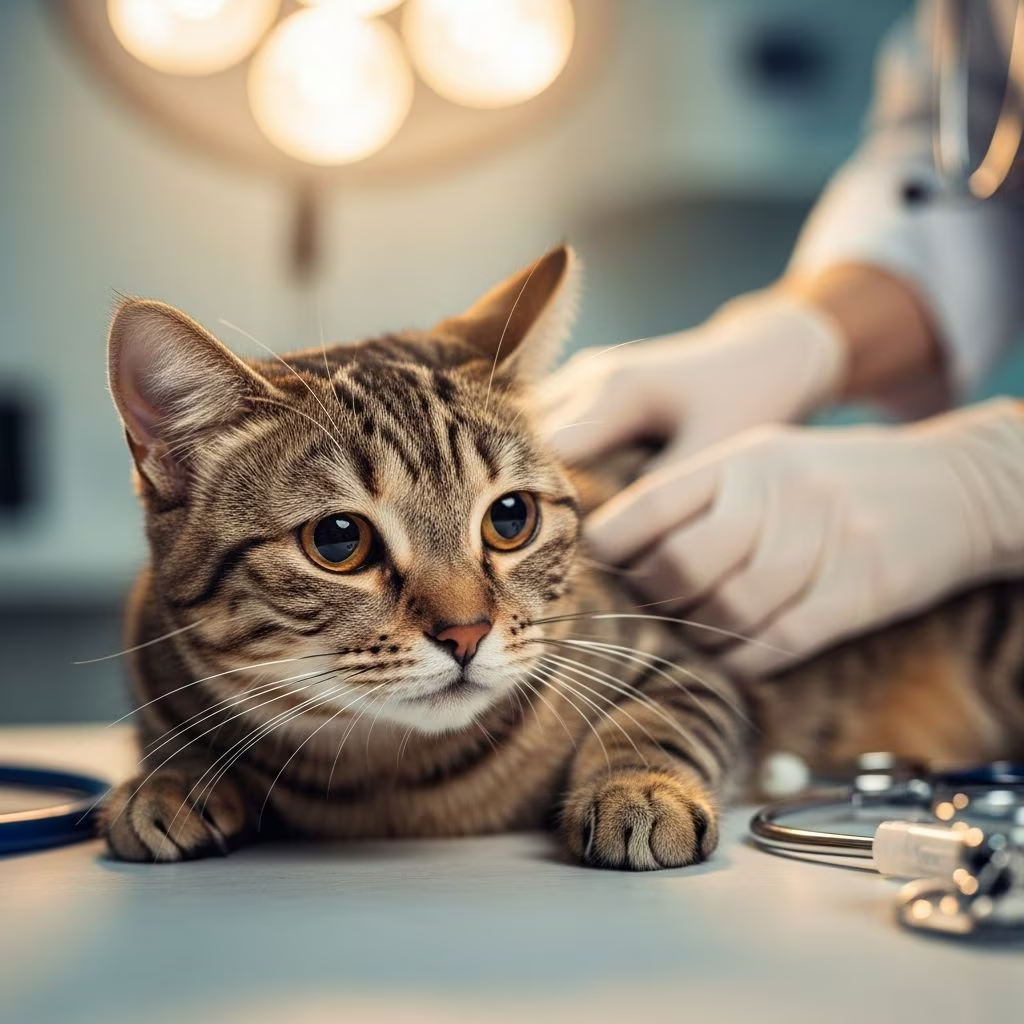
Peritonitis refers to inflammation of the peritoneum, the thin membrane lining the abdominal cavity and covering internal organs in cats. This condition can arise from infections, trauma, or other insults, leading to severe complications if not addressed promptly. While various forms exist, including septic and sterile types, feline infectious peritonitis (FIP) stands out as a particularly devastating variant linked to a mutated coronavirus.
Understanding the Anatomy and Role of the Peritoneum
The peritoneum serves critical functions, such as protecting organs, facilitating movement, and aiding in fluid absorption. In cats, any breach or infection here disrupts these roles, causing pain, fluid buildup, and systemic illness. Septic peritonitis often stems from bacterial invasion, while FIP represents a viral-immune mediated process.
Primary Causes of Peritonitis in Felines
Peritonitis in cats typically originates from bacterial spread, surgical complications, penetrating injuries, or viral mutations. Key triggers include:
- Bacterial translocation: Infections from the bloodstream, gastrointestinal leaks, or abscesses like liver infections introduce pathogens into the peritoneal space.
- Feline Infectious Peritonitis (FIP): Caused by a mutation in feline enteric coronavirus (FCoV), this immune-mediated disease leads to widespread inflammation. Common enteric strains mutate in genetically susceptible cats, prompting an overzealous immune response that damages vessels and organs.
- Trauma or surgery: Penetrating wounds or gastrointestinal perforations release bacteria and digestive contents into the abdomen.
- Fungal or other infections: Rare but possible in immunocompromised cats.
FIP, affecting young cats in multi-cat environments, spreads via feces, saliva, or shared litter boxes, though only a small percentage develop clinical disease due to host and viral factors.
Recognizing the Signs: Symptoms Across Forms
Symptoms vary by type but share hallmarks like abdominal pain, lethargy, and fever. Early detection is vital for survival.
Wet (Effusive) Peritonitis
This form, common in FIP, involves fluid accumulation (ascites) in the abdomen, creating a pot-bellied appearance. Cats may struggle with breathing if fluid enters the chest (pleural effusion), showing dyspnea, muffled heart sounds, and exercise intolerance. Additional signs: loss of appetite, weight loss, and dehydration.
Dry (Noneffusive) Peritonitis
Characterized by granulomas—inflammatory nodules—affecting organs like eyes, brain, kidneys, or liver. Cats exhibit neurological issues (seizures, ataxia), ocular changes (uveitis), jaundice, polyuria/polydipsia, vomiting, and weight loss. Progression can shift from dry to wet or vice versa.
| Symptom | Wet Form | Dry Form |
|---|---|---|
| Abdominal Distension | Prominent (pot-belly) | Rare |
| Breathing Difficulty | Common (effusions) | Occasional |
| Neurological Signs | Less common | Frequent (seizures, incoordination) |
| Ocular Issues | Possible | Common (bluish eyes) |
| Weight Loss/Fever | Present | Present |
General signs include fluctuating fever, anorexia, and lethargy, worsening over weeks to months without intervention.
Diagnostic Approaches for Accurate Identification
Veterinarians use a multi-modal strategy: physical exams reveal abdominal pain or fluid waves; blood tests show elevated globulins, anemia, or hyperglobulinemia in FIP. Imaging like ultrasound detects effusions or masses, while X-rays assess organ shadows.
Fluid analysis via abdominocentesis is pivotal: low cell counts distinguish non-septic from septic forms, though FIP fluid shows specific protein and cell patterns. Advanced tests include PCR for coronavirus, Rivalta test for FIP effusion, or biopsies. No single test is definitive; diagnosis often combines clinical, lab, and histopathology findings.
Treatment Strategies: From Supportive to Curative
Management prioritizes stabilization, source control, and targeted therapy. Hospitalization with IV fluids, pain relief, and transfusions addresses shock, dehydration, and coagulopathies.
Handling Septic Peritonitis
Broad-spectrum antibiotics (e.g., amoxicillin, cefadroxil) combat bacteria, guided by cultures. Surgery removes contaminated material or repairs leaks.
Advances in FIP Treatment
Once fatal, FIP now responds to antivirals like GS-441524 (oral/liquid, 84 or 42 days) and remdesivir, approved in regions like the UK/Australia by 2021, showing high cure rates. Supportive care includes draining effusions, prednisolone for inflammation, immunosuppressants, nutrition via tubes, B12, and appetite stimulants. Success favors early, noneffusive cases.
- Antiviral protocols: Injections/oral for 3+ months, monitored via bloodwork.
- Prognosis: Improved with new drugs; untreated cases lead to euthanasia.
Prevention: Reducing Risk in Cat Households
Minimize FCoV exposure in catteries: hygiene, litter management, avoid overcrowding. No vaccine fully prevents FIP due to mutation risks. Early weaning and stress reduction help. For general peritonitis, spay/neuter surgeries and prompt wound care lower risks.
Prognosis and Long-Term Care
Septic cases have guarded prognoses based on cause and timeliness; FIP survival has soared with antivirals, though relapse monitoring is essential. Owners should watch for recurrence, provide nutrition, and follow vet schedules.
Frequently Asked Questions (FAQs)
What is the survival rate for cats with FIP today?
With GS-441524 or remdesivir, rates exceed 80-90% in treated cases, a leap from historical fatality.
Can peritonitis spread to other pets?
FIP is feline-specific; septic forms depend on bacteria, not directly contagious.
How much does FIP treatment cost?
Costs vary ($2,000-$10,000+ USD) based on duration, drug, and location; consult vets for options.
Is there a home test for FIP?
No; professional diagnostics required, as tests like PCR support but don’t confirm.
Can older cats get peritonitis?
Yes, though FIP peaks in young cats; septic forms occur across ages.
This guide empowers cat owners with knowledge for proactive care. Consult a veterinarian immediately at symptom onset.
References
- Feline Infectious Peritonitis (FIP): Symptoms, Causes, and Treatments — WebMD. 2023. https://www.webmd.com/pets/cats/cat-fip-feline-infectious-peritonitis
- FELINE INFECTIOUS PERITONITIS — PMC – NIH. 2020-04-01. https://pmc.ncbi.nlm.nih.gov/articles/PMC7152141/
- Feline Infectious Peritonitis – FIP in Cats — VCA Animal Hospitals. 2023. https://vcahospitals.com/know-your-pet/feline-infectious-peritonitis
- Feline Infectious Peritonitis: Signs, Diagnosis, and Treatment of FIP — PetMD. 2023. https://www.petmd.com/cat/conditions/infectious-parasitic/feline-infectious-peritonitis
- Peritonitis in Cats — PetMD. 2023. https://www.petmd.com/cat/conditions/digestive/peritonitis-cats
- Peritonitis in Cats – Cat Owners — MSD Veterinary Manual. 2023. https://www.msdvetmanual.com/cat-owners/disorders-affecting-multiple-body-systems-of-cats/peritonitis-in-cats
- Feline Infectious Peritonitis (FIP) in Cats — MedVet. 2023. https://www.medvet.com/feline-infectious-peritonitis-in-cats/



