

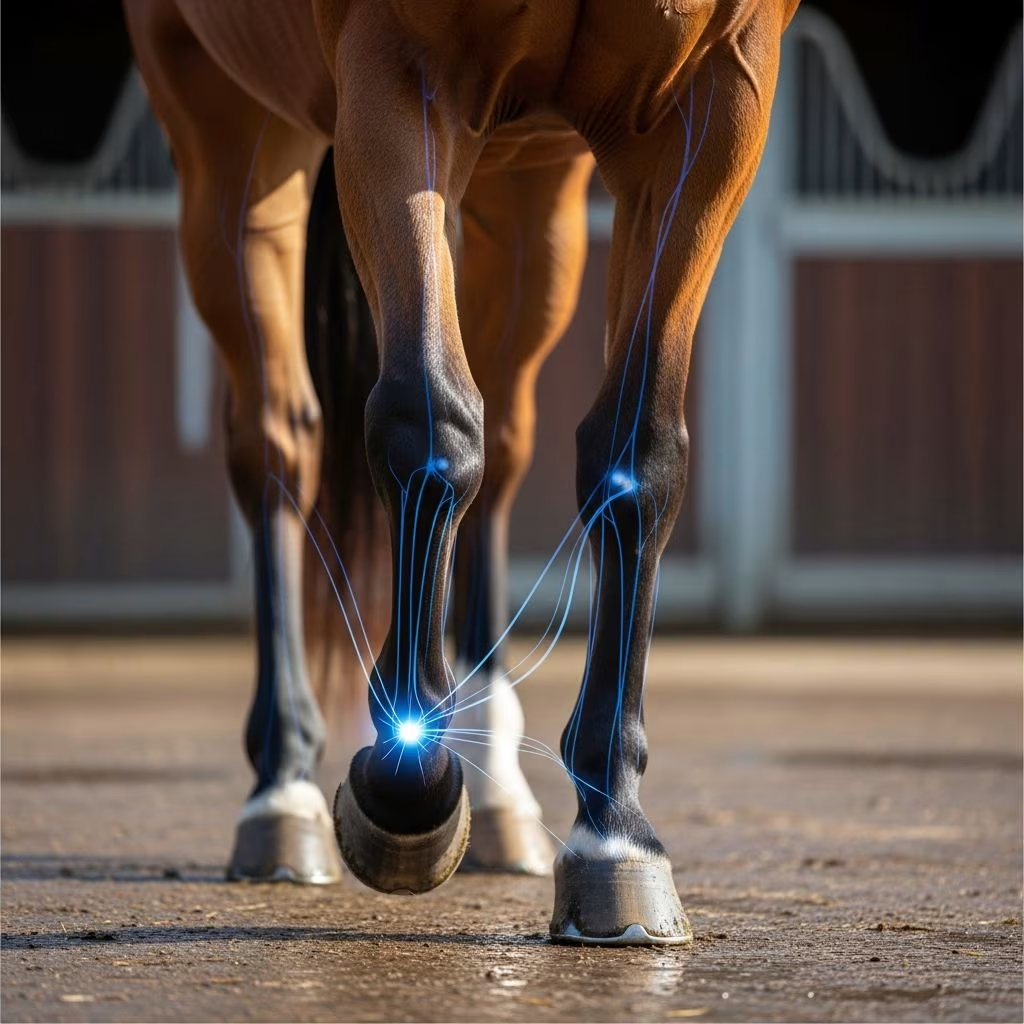
Peripheral nerve disorders in horses encompass a range of conditions that impair the function of nerves outside the brain and spinal cord. These issues can lead to weakness, paralysis, sensory loss, and coordination problems, significantly affecting a horse’s quality of life and performance. Understanding these disorders is crucial for timely intervention and improved outcomes.
Understanding the Equine Peripheral Nervous System
The peripheral nervous system in horses consists of nerves that branch out from the spinal cord to muscles, skin, and organs. These nerves transmit sensory information and motor commands. Damage here disrupts normal movement and sensation, unlike central nervous system issues which often cause more widespread symptoms. Common sites include the facial nerve, radial nerve, femoral nerve, and suprascapular nerve.
Trauma, inflammation, toxins, and nutritional deficiencies are primary culprits. Early detection through observant horsemanship can prevent progression to irreversible damage.
Common Causes of Peripheral Nerve Damage
Peripheral neuropathies arise from diverse etiologies. Traumatic injuries often occur during falls, kicks, or prolonged recumbency under anesthesia, compressing superficial nerves like the facial or suprascapular.
- Trauma: Direct impacts or pressure lead to neuropraxia (temporary conduction block) or axonotmesis (axon damage with intact sheath).
- Toxins: Botulism from contaminated feed causes flaccid paralysis; organophosphates induce tremors and weakness.
- Degenerative: Equine motor neuron disease (EMND) linked to vitamin E deficiency results in muscle wasting and trembling.
- Inflammatory: Conditions like polyneuritis equi cause tail paralysis and incontinence.
- Metabolic: Rarely, systemic diseases exacerbate nerve function.
Prevention starts with safe stabling, quality feed, and vaccination where applicable, such as for botulism in endemic areas.
Recognizing Symptoms of Nerve Disorders
Symptoms vary by nerve affected but typically include localized weakness, atrophy, and sensory deficits. Owners should watch for:
| Nerve Affected | Key Symptoms | Common Causes |
|---|---|---|
| Facial Nerve | Drooping ear, lip deviation, drooling | Trauma, compression |
| Suprascapular (Shoulder Slip) | Swayback shoulder, muscle wasting | Trauma, disuse |
| Radial Nerve | Inability to extend limb, knuckling | Fractures, pressure |
| Femoral Nerve | Hindlimb dragging, inability to stand | Fractures, recumbency |
| Tail/Perineal Nerves | Tail paralysis, incontinence | Polyneuritis equi |
Systemic signs like widespread tremors suggest botulism or organophosphate poisoning. EMND presents with weight loss, low neck, and frequent shifting.
Diagnostic Approaches for Equine Neuropathy
Veterinarians employ a systematic exam: observing gait, testing reflexes, and assessing muscle tone. Key tests include:
- Neurologic exam for proprioception and flexor reflexes.
- Electromyography (EMG) to detect denervation.
- Ultrasound or nerve conduction studies for localized lesions.
- CSF analysis or serology for inflammatory/toxic causes.
- Biopsy for degenerative diseases like EMND.
For toxics, toxin identification in feed or blood confirms diagnosis. Prognosis for peripheral injuries improves with early detection; atrophy signals chronicity.
Treatment Strategies and Management
Treatment targets the cause and supports recovery. Stall rest is foundational for traumatic neuropathies, allowing nerve regeneration at 1-3 mm/day.
Pharmacological Interventions
Anti-inflammatories reduce swelling around nerves. For toxics:
- Botulism: Supportive care, antitoxin if available; poor prognosis if recumbent.
- Organophosphates: Atropine and pralidoxime; weeks of therapy needed.
Vitamin E supplementation for EMND may halt progression.
Rehabilitation Therapies
Non-pharmacologic options enhance recovery:
- Chiropractic: Improves joint motion and nociceptive thresholds.
- Cryotherapy: Reduces inflammation post-injury.
- Shockwave Therapy: Alleviates pain in chronic cases.
- Physical Therapy: Retrains proprioception and strength.
Surgical decompression for entrapped nerves like suprascapular shows promise.
Prognosis and Long-Term Outlook
Prognosis depends on severity:
- Neurapraxia: Excellent, full recovery in weeks.
- Axonal damage: Fair to good, months with rehab.
- Neurotmesis (severed): Poor without surgery.
- Systemic like botulism: Guarded if advanced.
Suprascapular cases often regain stability in 3-12 months with rest, though atrophy may persist.
Prevention Tips for Horse Owners
Proactive measures minimize risks:
- Provide vitamin E-rich feeds, especially for stalled horses.
- Ensure dry, uncontaminated hay to prevent botulism.
- Monitor recumbent horses during anesthesia.
- Maintain safe turnout to avoid trauma.
- Vaccinate in high-risk areas.
Frequently Asked Questions (FAQs)
What is the most common peripheral nerve injury in horses?
Suprascapular nerve paralysis, or ‘shoulder slip,’ from trauma or disuse.
Can horses recover from nerve damage?
Yes, many do with prompt treatment; regeneration varies by injury type.
How do I know if my horse has a nerve problem?
Look for asymmetry, weakness, or gait changes; consult a vet immediately.
Is EMND curable?
Not curable, but vitamin E and pasture access slow progression.
What role does nutrition play in nerve health?
Vitamin E deficiency causes EMND; balanced diets prevent degenerative issues.
References
- Pain Management in Horses: Signs, Treatments & Therapies — Mad Barn. 2023. https://madbarn.com/pain-management-in-horses/
- Diseases of the Peripheral Nerves in Horses — Merck Veterinary Manual. 2023. https://www.merckvetmanual.com/horse-owners/brain-spinal-cord-and-nerve-disorders-of-horses/diseases-of-the-peripheral-nerves-in-horses
- Diseases of the Nervous System in Horses — Royal Horse. 2022. https://www.royal-horse.com/dossier/diseases-nervous-system-horses/
- Neurological Health Education — Boehringer Ingelheim Horse Owner. 2024. https://horseowner.boehringer-ingelheim.com/us/education-center/neurological-health
- What Causes Nerve Damage in Horses? — HAH Pets. 2023. https://www.hahpets.com/articles/923945-july-newsletter-what-causes-nerve-damage-in-horses
- The Neurologic Examination: Peripheral Nerves — dvm360. 2022. https://www.dvm360.com/view/neurologic-examination-peripheral-nerves-and-miscellany-proceedings



