

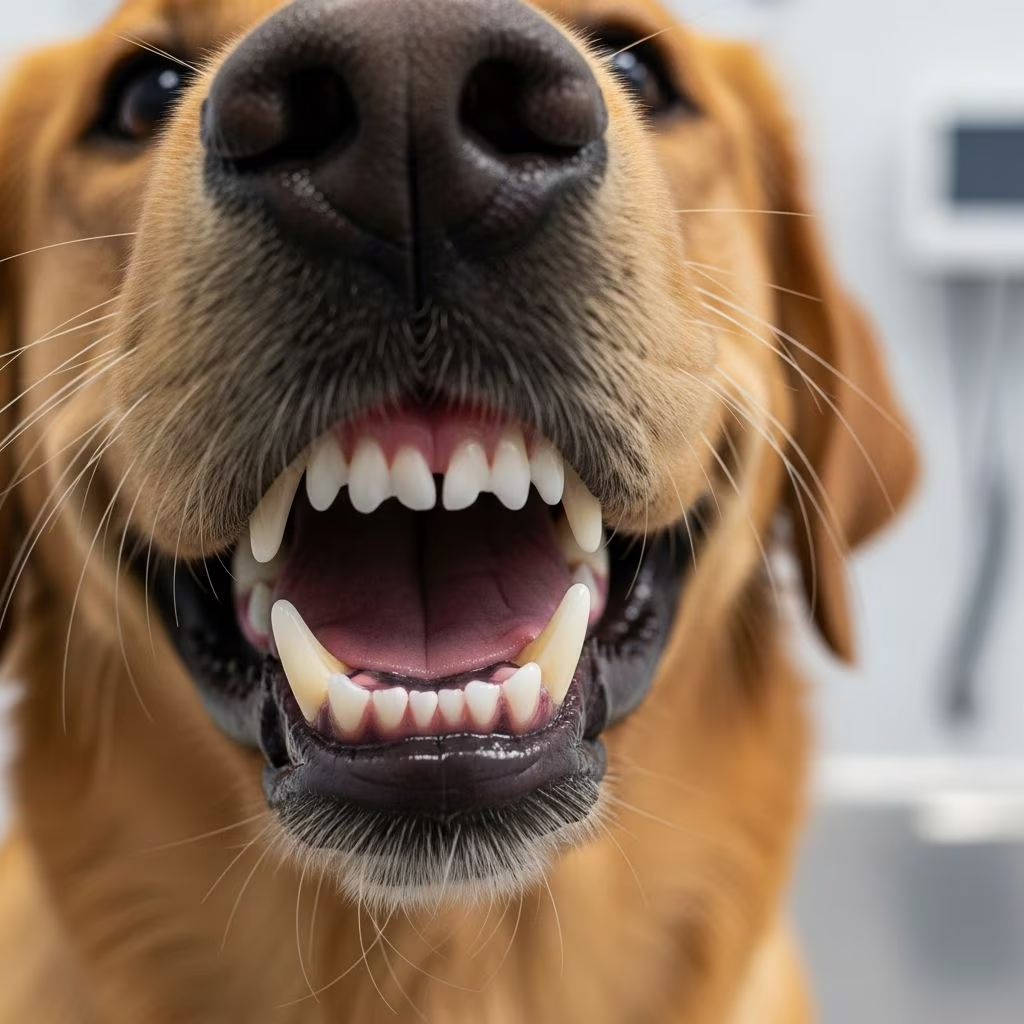
Understanding Periodontal Disease in Dogs
Periodontal disease is one of the most common health conditions affecting dogs today, yet many pet owners remain unaware of its severity and long-term consequences. This progressive dental condition occurs when bacteria accumulate on the teeth and beneath the gum line, leading to inflammation, infection, and eventual tooth loss if left untreated. The disease develops gradually, often without obvious symptoms in its early stages, making regular veterinary dental examinations crucial for early detection and intervention.
As a pet owner, understanding periodontal disease is essential for maintaining your dog’s overall health and quality of life. Beyond just affecting the teeth and gums, advanced periodontal disease can lead to serious systemic health problems, including infections that may spread to vital organs. This comprehensive guide will help you recognize the warning signs, understand the progression of the disease, explore treatment options, and learn preventive measures to keep your dog’s teeth and gums healthy throughout their lifetime.
Stages of Periodontal Disease
Periodontal disease progresses through four distinct stages, each with increasing severity and treatment complexity. Understanding these stages helps pet owners recognize when intervention is necessary and what to expect during treatment.
Stage 1: Gingivitis
Stage 1, or gingivitis, is the earliest and most reversible stage of periodontal disease. At this stage, only the gums are affected by inflammation, and no permanent damage has occurred to the supporting structures of the tooth. Dogs with Stage 1 periodontal disease may show minimal visible symptoms, which is why regular dental checks are vital. The gums may appear slightly red or inflamed, and some dogs might have minor bad breath. The good news is that Stage 1 is completely reversible with proper professional dental cleaning and diligent home care.
Stage 2: Early Periodontitis
In Stage 2, the disease progresses beyond the gums to affect the periodontal ligament and bone that support the tooth. At this point, up to 25% of the bone surrounding the tooth root is lost. While Stage 2 still allows for treatment, the damage cannot be completely reversed. Dogs at this stage may show more noticeable symptoms including bad breath, some gum bleeding, and possible discoloration of the teeth.
Stage 3: Moderate Periodontitis
Stage 3 represents moderate periodontal disease where 25-50% of the bone supporting the tooth is lost. At this stage, periodontal pockets deepen significantly, and the disease becomes more challenging to manage. Symptoms become more apparent, including significant bleeding gums, loose teeth, and considerable bad breath. Professional intervention is absolutely necessary to prevent further deterioration.
Stage 4: Advanced Periodontitis
Stage 4 is the most severe form of periodontal disease, with more than 50% of the supporting bone lost. At this advanced stage, teeth are severely compromised and often require extraction. Dogs with Stage 4 disease experience significant pain and discomfort, and the condition may have already caused systemic health problems.
Recognizing the Symptoms
Early detection of periodontal disease significantly improves treatment outcomes and prevents tooth loss. Pet owners should watch for the following warning signs:
Common Symptoms of Periodontal Disease
- Bad breath (halitosis) – one of the most telltale signs
- Discolored teeth (yellow or brown accumulation)
- Inflamed, red, or bleeding gums
- Loose or missing teeth
- Excessive drooling
- Decreased appetite or difficulty eating
- Weight loss
- Bloody saliva or blood in the water bowl
- Favoring one side of the mouth when chewing
- Pawing at the mouth or face
- Facial swelling or abnormal discharge from the mouth
- Irritability or behavioral changes
- Receding gums or visible tooth roots
- Lumps or growths in the mouth
It’s important to note that many dogs with periodontal disease display no obvious symptoms until the disease has progressed significantly. Bad breath should never be dismissed as normal “dog breath” – it’s a clear indicator that something is wrong in your dog’s mouth. If you notice any of these signs, contact your veterinarian immediately for a comprehensive oral examination.
Professional Treatment Options
The appropriate treatment for periodontal disease depends on the stage of progression and the overall health of your dog. Your veterinarian will determine the best course of action after a thorough examination and assessment.
Stage 1 Treatment
Dogs with Stage 1 periodontal disease can be treated with professional dental cleaning. This procedure is performed under general anesthesia and involves removing plaque and tartar from above and below the gum line. The teeth are then polished to help prevent future plaque accumulation. When caught at this early stage, professional cleaning can halt disease progression and often reverse the damage completely.
Stages 2 and 3 Treatment
Dogs in Stages 2 and 3 require more intensive periodontal therapy. Treatment involves deep cleaning, or scaling and root planing, both above and below the gum line. The veterinarian carefully removes plaque and tartar from the root surfaces and cleans out periodontal pockets where bacteria accumulate. After scaling, the teeth are polished. In some cases, advanced periodontal treatments may be used to reduce pocket depth or promote tissue regeneration. General anesthesia is always required for these procedures to ensure the dog’s safety and allow thorough treatment.
Stage 4 Treatment
Advanced periodontal disease in Stage 4 typically requires surgical intervention. Extraction of severely affected teeth is often the only option to eliminate pain and prevent systemic infections. Your veterinarian will carefully evaluate which teeth must be removed based on the degree of bone loss and tooth mobility. Many dogs function remarkably well with fewer teeth, and extraction often provides relief from chronic pain and discomfort.
Adjunctive Therapies
For dogs with advanced periodontal disease (Stages 3 and 4), additional treatment measures are frequently necessary. Your veterinarian may prescribe antibiotics to prevent or treat bacterial infections, anti-inflammatory medications to reduce swelling and pain, and pain relievers to manage discomfort. These medications may need to be administered for several weeks or even months, depending on the severity of the disease. Regular follow-up veterinary visits are essential during these stages to monitor healing and assess the effectiveness of treatment.
At-Home Prevention and Care
While professional veterinary care is essential for treating periodontal disease, preventing the condition from developing or progressing requires consistent at-home care.
Daily Tooth Brushing
The most effective preventive measure is brushing your dog’s teeth daily using a toothbrush and toothpaste specifically formulated for canines. Never use human toothpaste, as it often contains fluoride, which is toxic to dogs. Begin gradually by allowing your dog to become accustomed to the toothbrush and flavor of the dog toothpaste. With patience and positive reinforcement, most dogs will tolerate and even enjoy this daily routine. Even brushing several times per week is beneficial if daily brushing isn’t possible.
Dietary Modifications
Your veterinarian may recommend specialized dental diets designed to reduce tartar and plaque buildup. These foods are formulated to create a mechanical cleaning action as your dog chews, helping to maintain dental health. Discuss with your vet which options are best suited for your dog’s individual needs and dietary requirements.
Dental Treats and Chew Toys
Provide dental treats and safe chew toys approved by your veterinarian. These products can help reduce plaque accumulation through the mechanical action of chewing. However, ensure that chew toys are appropriate for your dog’s size and chewing habits to prevent dental fractures or other injuries.
Regular Veterinary Examinations
Schedule routine veterinary dental examinations as recommended by your veterinarian, typically annually, though more frequently for dogs prone to periodontal disease or small breed dogs that are at higher risk. Professional assessment allows early detection of problems before they become serious. During these examinations, your veterinarian will evaluate your dog’s oral health and recommend professional cleanings when necessary.
Topical Dental Products
Some topical medications and products can be applied to teeth and gums to prevent plaque buildup, though these typically require daily consistent application. Your veterinarian can recommend specific products that may benefit your dog’s oral health regimen.
Special Considerations for High-Risk Breeds
Certain dog breeds have a higher predisposition to developing periodontal disease. Small breed dogs, including Dachshunds, Yorkshire Terriers, and Bulldogs, are particularly susceptible. If you have a dog from a high-risk breed, your veterinarian may recommend more frequent dental examinations – possibly every six months instead of annually – and more aggressive preventive measures to help maintain oral health.
Understanding Dental Cavities in Dogs
Just like humans, dogs can develop cavities, which are areas of tooth damage caused by prolonged exposure to bacteria that remain in the mouth after eating. Cavities occur when acid produced by bacteria erodes the tooth structure. Preventive measures like daily tooth brushing, appropriate diet, and regular veterinary examinations help reduce the risk of cavity development in dogs.
Frequently Asked Questions
Q: What causes periodontal disease in dogs?
A: Periodontal disease develops when bacteria accumulate on teeth and beneath the gum line, forming dental plaque and tartar. Without proper oral hygiene and professional cleaning, this bacterial accumulation causes inflammation and infection of the gums and supporting structures.
Q: Is Stage 1 periodontal disease reversible?
A: Yes, Stage 1 (gingivitis) is completely reversible with professional dental cleaning and diligent at-home care. However, Stages 2, 3, and 4 cannot be fully reversed, though they can be managed and treated to prevent further progression.
Q: Is anesthesia necessary for dog dental cleaning?
A: Yes, anesthesia is essential for professional dental cleanings in dogs. It allows the veterinarian to thoroughly clean above and below the gum line and ensures the dog’s safety and comfort during the procedure. Non-anesthetic cleanings are not recommended as they do not allow for complete treatment.
Q: Can dogs function normally after tooth extraction?
A: Yes, dogs typically function remarkably well after tooth extraction. Many dogs with fewer teeth continue to eat normally and enjoy their quality of life. Extraction of severely affected teeth often alleviates chronic pain and prevents systemic infections.
Q: How often should my dog receive professional dental cleanings?
A: The frequency depends on your dog’s individual risk factors and oral health status. Your veterinarian will recommend an appropriate schedule, typically ranging from annual cleanings to more frequent intervals for high-risk dogs or those with advanced disease.
Q: What should I do if I notice signs of periodontal disease?
A: Contact your veterinarian immediately for a comprehensive oral examination. Early detection and intervention significantly improve outcomes and can prevent tooth loss and systemic health complications.
Conclusion
Periodontal disease is a serious and progressive condition that affects many dogs, but it is largely preventable and manageable with proper care and attention. By understanding the stages of the disease, recognizing early warning signs, maintaining consistent at-home dental care, and scheduling regular veterinary examinations, you can significantly reduce your dog’s risk of developing this condition. If your dog does develop periodontal disease, early detection and appropriate professional treatment can halt progression, alleviate pain, and preserve your dog’s dental health and overall well-being for years to come. Remember, your dog’s oral health is an integral part of their overall health and quality of life.
References
- Periodontal Disease In Dogs: Stages, Symptoms & Treatment Costs — Pawlicy. 2024. https://www.pawlicy.com/blog/periodontal-disease-in-dogs/
- Treatment for Periodontal Disease in Dogs — Yalesville Veterinary Hospital. 2024. https://yalesvillevet.com/blog/treatment-periodontal-disease-dogs/
- Everything You Need to Know About Periodontal Disease in Dogs — American Kennel Club. 2024. https://www.akc.org/expert-advice/health/periodontal-disease-in-dogs/
- Periodontal Disease in Dogs – PetMD — PetMD. 2024. https://www.petmd.com/dog/conditions/mouth/periodontal-disease-dogs
- Periodontal Disease in Dogs: Symptoms, Causes & Treatment — Lake Cross Veterinary Hospital. 2020. https://www.lakecross.com/site/blog-huntersville-vet/2020/07/22/periodontal-disease-dogs-symptoms-treatment
- Revisiting Periodontal Disease in Dogs: How to Manage This New Paradigm — National Center for Biotechnology Information. 2022. https://pmc.ncbi.nlm.nih.gov/articles/PMC9774197/
- Periodontal Disease in Dogs — Cornell University College of Veterinary Medicine. 2024. https://www.vet.cornell.edu/departments-centers-and-institutes/riney-canine-health-center/health-topics/canine-health-information/periodontal-disease



