

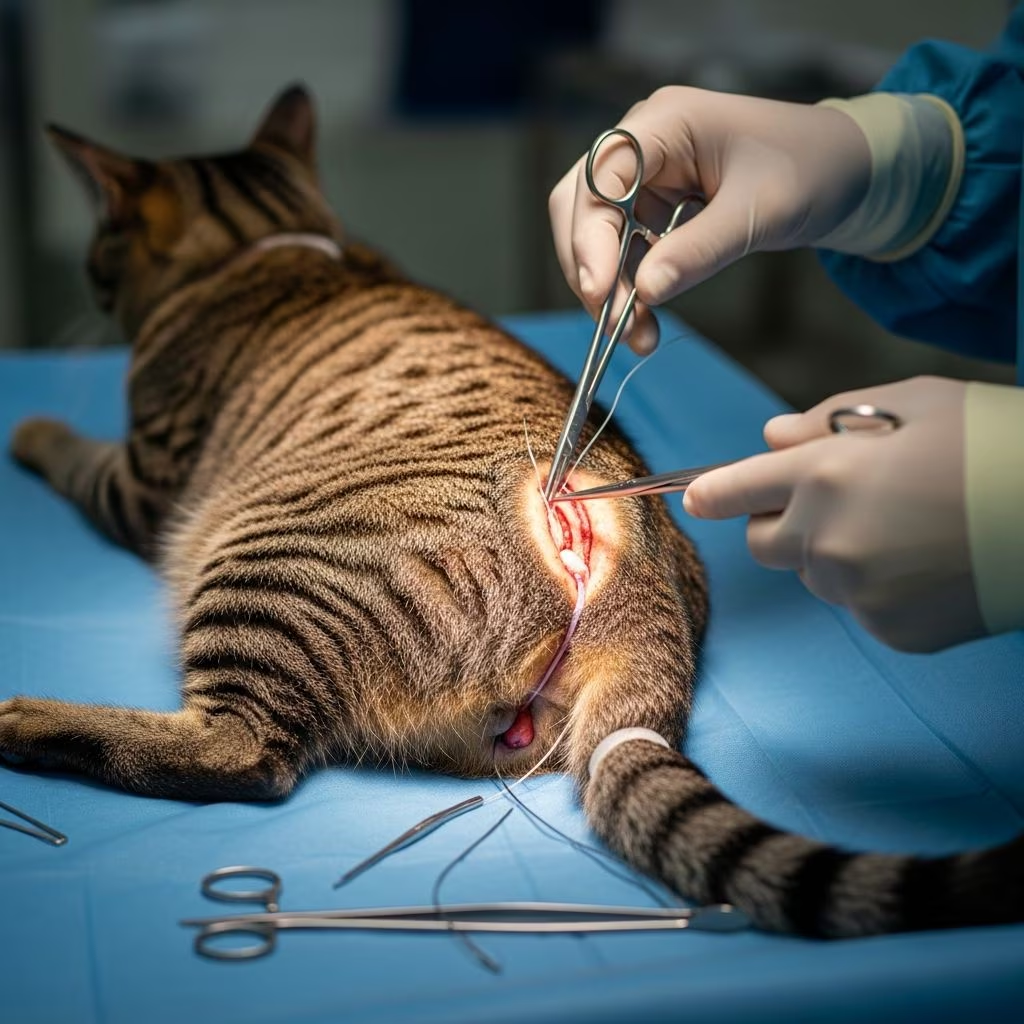
Perineal Urethrostomy Surgery in Cats
Feline lower urinary tract disease affects thousands of cats each year, and in some cases, recurrent urethral obstructions can become a serious health concern. When medical management alone proves insufficient, veterinarians often recommend perineal urethrostomy surgery as an effective treatment option. This surgical procedure has transformed the lives of countless cats suffering from chronic urinary obstruction, offering them improved quality of life and reduced risk of life-threatening complications.
What is Perineal Urethrostomy Surgery?
A perineal urethrostomy, commonly referred to as a PU, is a surgical procedure most frequently performed on male cats experiencing urinary obstruction. The procedure is designed to remove the narrowest part of the urethra—the tube responsible for transporting urine from the bladder to the exterior of the body—allowing for easier urination with significantly lower risk of re-obstruction.
During this surgical intervention, a new urinary opening is created that bypasses the narrowed region of the urethra. This strategically placed opening decreases the overall length of the urethra and allows urine to exit the body more easily, substantially reducing the likelihood of recurring obstruction. The surgery removes the external portion of the penis and takes the urethra back to the pelvis where it is naturally much wider, creating a permanent solution to obstructive episodes.
While most commonly performed for urinary obstruction, perineal urethrostomy may also be indicated for cats experiencing severe urethral trauma. By allowing urine to exit before reaching damaged portions of the urinary tract—such as traumatic injuries to the penis—veterinarians can prevent complications including scar tissue formation and infection that might otherwise cause future obstructions.
The Surgical Procedure Explained
Pre-Surgical Evaluation and Preparation
Before proceeding with perineal urethrostomy, your cat will undergo a comprehensive pre-surgical examination and pre-anesthetic blood testing. This presurgical assessment allows your veterinarian to evaluate your cat’s overall health status and confirm suitability for general anesthesia. The evaluation is crucial for identifying any underlying conditions that might complicate surgery or recovery.
If your cat is currently obstructed, stabilization prior to surgery is essential. This stabilization process involves administering intravenous fluids to correct dehydration and electrolyte abnormalities that commonly occur with urinary obstruction. This pre-surgical stabilization makes your cat a better candidate for anesthesia and significantly decreases the likelihood of surgical and anesthetic complications.
Surgical Steps and Technique
Once your cat is cleared for surgery and appropriately stabilized, the surgical team will administer medication and place your cat under general anesthesia. The surgical site is carefully prepared through shaving and sterile surgical scrub to eliminate bacteria from the skin and prevent infection.
The surgeon performs the perineal urethrostomy by removing the penis and suturing the deeper, larger-diameter region of the urethra to the skin, creating a new urinary opening. This approach leverages the naturally wider postprostatic portion of the urethra, which is far less prone to obstruction than the narrower penile urethra.
The procedure typically involves the following key steps:
- Patient Positioning: The cat is positioned in either sternal recumbency (perineal position) with pelvic limbs suspended, or in dorsal recumbency with pelvic limbs pulled cranially. Both positions provide excellent surgical exposure to the perineal structures.
- Surgical Site Preparation: The perineal region is clipped and aseptically prepared, with purse-string sutures placed at the anus to maintain sterility.
- Tissue Dissection: The surgeon creates an elliptical incision around the prepuce and scrotum, extending approximately 5mm circumferentially to remove these structures without excessive tension on the urethrostomy site.
- Penile Isolation: The distal tip of the penis is dissected from surrounding subcutaneous tissue using Metzenbaum scissors and monopolar electrosurgery, with dissection continuing along the penile body to its pelvic attachments.
- Urethral Incision: The urethra is incised on the dorsal midline extending cranially to the level of the bulbourethral glands, creating the appropriate opening for the new stoma.
- Mucosal Apposition: The urethral mucosa is carefully sutured to the skin using simple continuous or interrupted patterns, creating a mucosal strip or “drainboard” to minimize urine scalding.
- Final Closure: The distal penis is ligated and amputated, with any remaining gaps closed using buried sutures.
A crucial aspect of the completed perineal urethrostomy is ensuring proper stoma size and patency. The completed PU should have a drainboard approximately 1.5 to 2 cm long and should allow passage of a 10-French urethral catheter to ensure adequate urinary flow.
Recovery and Aftercare
Following perineal urethrostomy surgery, proper postoperative care is essential for optimal healing and long-term success. Your veterinarian will provide specific instructions tailored to your cat’s individual needs, but general aftercare guidelines include:
- Pain Management: Appropriate analgesia with long-acting opioids such as buprenorphine can be combined with nonsteroidal anti-inflammatory drugs in cats showing no evidence of renal dysfunction.
- Wound Care: Cover the wound with petroleum jelly to minimize urine scald and protect healing tissue. Removing clots from the incision is discouraged as this causes additional trauma.
- Activity Restriction: Limit your cat’s activity during the immediate recovery period to allow proper healing of the surgical site.
- Dietary Considerations: Your veterinarian may recommend dietary adjustments to support urinary tract health and prevent future complications.
- Litter Box Management: Use soft, non-clumping litter during recovery to prevent irritation of the surgical site.
Long-Term Outcomes and Quality of Life
The long-term prognosis for cats undergoing perineal urethrostomy is excellent. Most cats experience a dramatically improved quality of life following surgery, with significantly reduced risk of recurrent urethral obstructions. The procedure effectively addresses the mechanical obstruction that characterizes severe feline lower urinary tract disease, allowing affected cats to urinate more comfortably and with reduced strain.
It is important to note that while perineal urethrostomy addresses the mechanical aspect of urinary obstruction, it does not cure the underlying urinary tract disease. However, by bypassing the narrowest portion of the urethra, the surgery dramatically reduces the risk of life-threatening obstructions and allows cats to live normal, comfortable lives.
When is Perineal Urethrostomy Recommended?
Perineal urethrostomy is typically recommended for male cats with the following conditions:
- Recurrent urethral obstructions despite appropriate medical management
- Feline lower urinary tract disease with chronic obstruction
- Severe urethral trauma or injury
- Urethral strictures or scarring
- Cases where other urethral obstruction causes have been ruled out
Your veterinarian will determine whether your cat is an appropriate candidate for this procedure based on thorough evaluation of your cat’s medical history and current condition.
Potential Complications and Considerations
While perineal urethrostomy is generally a safe and effective procedure with proper technique and equipment, there are potential intraoperative and postoperative complications to be aware of. These may include urine scalding around the stoma, infection, or temporary difficulty with urination immediately following surgery. Most of these complications can be avoided or minimized through proper surgical technique، appropriate wound care، and close postoperative monitoring.
Your veterinarian will discuss potential risks and benefits specific to your cat’s situation before proceeding with surgery.
Frequently Asked Questions About Perineal Urethrostomy in Cats
Q: Is perineal urethrostomy a permanent solution?
A: Yes, perineal urethrostomy creates a permanent new urinary opening. Once healed، the stoma remains open for your cat’s lifetime، providing long-term relief from urethral obstruction. However، it does not cure the underlying urinary tract disease that may have caused the initial obstruction.
Q: Will my cat be able to urinate normally after surgery?
A: Yes، cats typically resume normal urination relatively quickly after surgery. Because the new urinary opening bypasses the narrow portion of the urethra، urination becomes easier and less prone to obstruction. Most cats adapt well to the new anatomy.
Q: How long is the recovery period?
A: Most cats show significant improvement within the first two weeks following surgery. Complete healing typically takes 4-6 weeks، during which time activity should be limited and the surgical site kept clean and protected.
Q: What complications might occur after surgery?
A: Potential complications include urine scalding، infection، or temporary urinary difficulties. However، with proper technique and postoperative care، serious complications are uncommon. Your veterinarian will monitor your cat closely during recovery.
Q: Can female cats have this procedure?
A: Perineal urethrostomy is most commonly performed on male cats because the male urethra is naturally narrower. Female cats have a wider urethra and are less prone to obstruction، making this procedure less frequently necessary in females.
Q: Will my cat need special care after recovery?
A: Most cats do not require extensive ongoing special care after recovery. Routine monitoring for signs of infection or complications is recommended، and your veterinarian may suggest dietary or environmental management to support urinary health.
Q: What is the success rate of this surgery?
A: Perineal urethrostomy has a high success rate، with most cats experiencing excellent long-term outcomes and greatly improved quality of life. The recurrence rate of urethral obstruction is significantly lower compared to medical management alone.
References
- Perineal Urethrostomy in Cats: Guide for Veterinarians — Clinician’s Brief. 2024. https://www.cliniciansbrief.com/article/perineal-urethrostomy-cat
- Perineal Urethrostomy Surgery in Cats — VCA Animal Hospitals. 2024. https://vcahospitals.com/know-your-pet/perineal-urethrostomy-surgery-in-cats
- How to Perform a Feline Perineal Urethrostomy — DVM360. 2024. https://www.dvm360.com/view/how-perform-feline-perineal-urethrostomy
- A Step-by-Step Description of Feline Perineal Urethrostomy — MSPCA Angell. 2024. https://www.mspca.org/angell_services/a-step-by-step-description-of-feline-perineal-urethrostomy/
- Perineal Urethrostomy in Cats – Veterinary Practice — Veterinary Practice. 2024. https://www.veterinary-practice.com/video/23-perineal-urethrostomy-in-cats
- Short-term and long-term complications in 56 cats undergoing perineal urethrostomy — National Center for Biotechnology Information (NIH). 2024. https://pmc.ncbi.nlm.nih.gov/articles/PMC10741294/



