

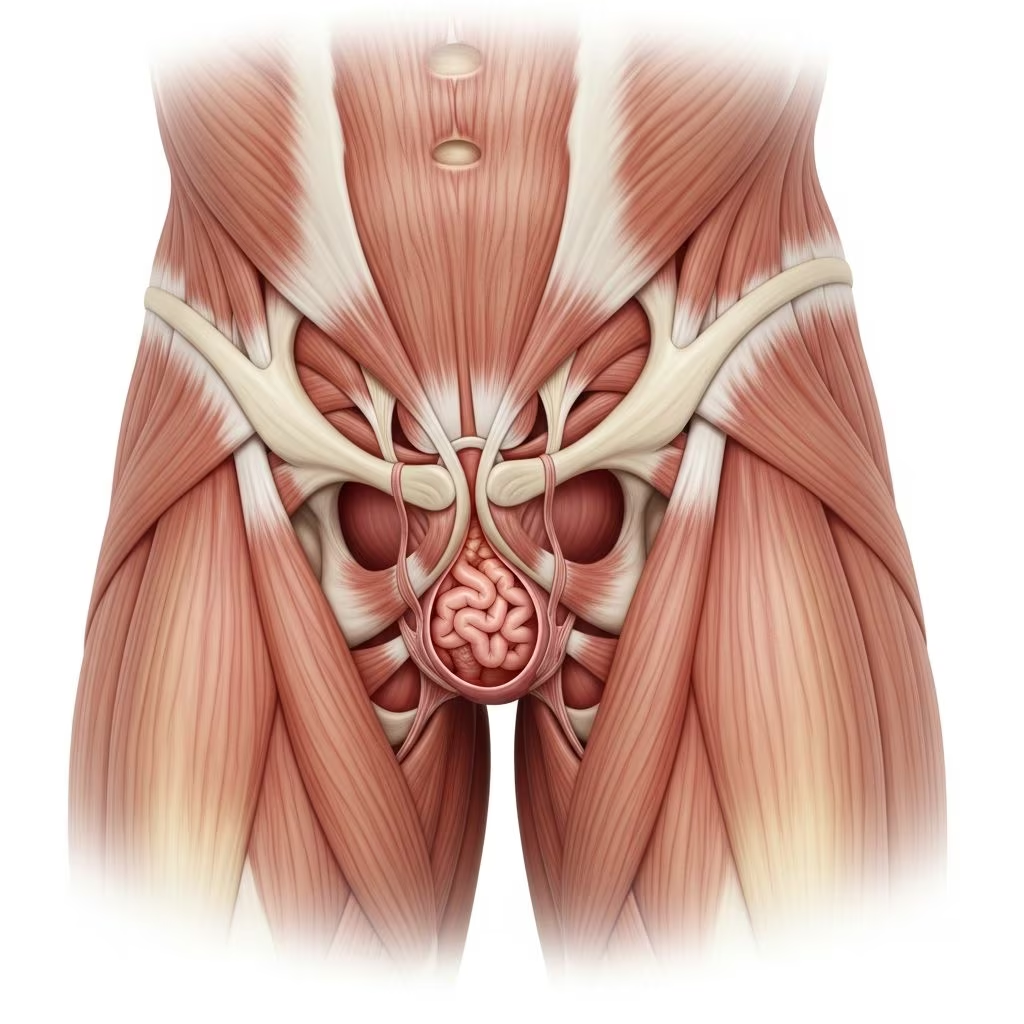
Perineal hernia represents a significant health challenge primarily affecting older male dogs, where the muscles supporting the rectal area weaken, allowing abdominal contents to protrude. This condition demands prompt veterinary attention to alleviate discomfort and prevent severe complications. Pet owners play a vital role in recognizing early indicators and supporting recovery processes.
Recognizing the Condition in Canines
The perineum in dogs refers to the region between the anus and scrotum. When pelvic floor muscles deteriorate, a hernia forms as fat, fluid, or even organs like the bladder push through the weakened spot. This issue predominates in intact males over seven years old, though neutered dogs and females can occasionally develop it.
Primary Causes Behind Pelvic Floor Weakness
Several factors contribute to the muscle atrophy characteristic of perineal hernia. Understanding these helps in managing risks for at-risk pets.
- Age-Related Muscle Decline: As dogs age, levator ani and coccygeus muscles thin out, creating vulnerabilities.
- Hormonal Influences: Elevated relaxin levels in dogs with prostate enlargement weaken pelvic diaphragms.
- Chronic Straining: Repeated efforts during defecation from constipation or enlarged prostate stretch tissues over time.
- Nerve Damage: Pudendal nerve degeneration impairs muscle control and support.
- Surgical History: Procedures like perineal urethrostomy in cats or pelvic surgeries in dogs heighten risks.
These elements often combine, accelerating hernia development in predisposed breeds such as Boston Terriers, Welsh Corgis, and Collies.
Visible and Behavioral Warning Signs
Dogs with perineal hernias exhibit distinct symptoms that escalate if untreated. Vigilant observation aids early intervention.
| Symptom | Description | Severity Level |
|---|---|---|
| Perineal Swelling | Soft, fluctuating bulge beside anus, under tail | Mild to Moderate |
| Defecation Struggles | Straining, thin feces, constipation | Moderate |
| Discomfort | Pain while sitting, walking, or defecating | Moderate to Severe |
| Urinary Problems | Straining to urinate, retention | Severe (emergency if bladder trapped) |
| Lethargy | General malaise, reduced activity | Variable |
A trapped bladder constitutes an emergency, marked by acute straining and swelling enlargement, necessitating immediate care.
Diagnostic Approaches for Confirmation
Veterinarians employ a multi-step process to diagnose perineal hernia accurately, ruling out similar conditions like anal sac issues or tumors.
- Physical Examination: Digital rectal exam reveals muscle defects and herniated contents.
- History Review: Age, breed, neuter status, and defecation habits inform suspicions.
- Imaging: Ultrasound detects organ involvement; radiographs assess bladder position.
- Sedated Exploration: For bilateral cases or unclear findings.
Blood tests evaluate prostate health or systemic diseases contributing to weakness.
Conservative Management Strategies
Not all cases require immediate surgery; initial medical approaches stabilize mild instances.
- Stool Softeners: Facilitate easier defecation, minimizing strain.
- Enemas: Clear blockages cautiously under supervision.
- Diet Adjustments: High-fiber foods promote regular, soft stools.
- Castration: Reduces prostate size and hormonal weakening in intact males.
Only about 20% of medically managed cases remain symptom-free long-term, highlighting surgery’s necessity for most.
Surgical Correction Techniques
Surgery remains the definitive treatment, aiming to reposition contents and reinforce the pelvic floor. Procedures occur under general anesthesia.
Standard Repair: Incision exposes the defect; herniated sacs are reduced. Muscles are sutured, often with prosthetic mesh for durability. However, mesh alone risks failure from poor fixation.
Advanced Methods:
- Gluteus maximus flaps provide natural reinforcement.
- Acellular dermis or collagen grafts from human or porcine sources integrate better.
- Orthopedic anchors secure meshes firmly.
Bilateral hernias may need staged operations. Postoperative care includes e-collars, stool softeners, and restricted activity for 2-4 weeks.
Potential Risks and Postoperative Challenges
While effective, surgery carries complications monitored closely.
- Recurrence: Up to 20-30% despite reinforcement; contralateral side vulnerability.
- Infection: Proximity to anus elevates bacterial risks; antibiotics mitigate.
- Incontinence: Temporary fecal leakage from nerve/muscle disruption.
- Seroma/Hematoma: Fluid or blood accumulation at site.
Owner compliance with aftercare significantly lowers these odds.
Steps for Prevention and Long-Term Wellness
Proactive measures reduce incidence in susceptible dogs.
- Early Neutering: Prevents prostate hyperplasia.
- Weight Control: Obesity burdens pelvic muscles.
- Fiber-Rich Diet: Averts constipation-induced straining.
- Regular Exercise: Maintains muscle tone without excess.
- Annual Checkups: Detects early weaknesses.
For breeds prone to hernias, vets may recommend pelvic floor strengthening routines.
Life After Repair: Recovery Timeline
Recovery spans 4-6 weeks, with full strength returning in months. Initial days involve pain meds and rest. Stitches remove at 10-14 days. Gradual activity resumption prevents re-injury. Long-term, most dogs regain normal function, though monitoring persists for seniors.
Common Queries from Pet Owners
What Breeds Face Higher Risks?
Working breeds like Collies, herding types such as Corgis, and brachycephalics including Boston Terriers show elevated susceptibility due to genetics and anatomy.
Can Females Get Perineal Hernias?
Rarely, typically post-whelping or with megacolon; males dominate cases.
Is Surgery Always Required?
No, but medical management succeeds in only 20% of cases; surgery offers best outcomes for symptomatic pets.
How to Spot a Bladder Entrapment Emergency?
Watch for sudden inability to urinate, enlarged swelling, and distress—seek emergency vet care immediately.
Does Neutering Prevent Recurrence?
It addresses hormonal causes and is routine perioperatively, lowering re-herniation risks.
What Diet Supports Recovery?
High-fiber, low-residue foods with probiotics ease bowel movements and gut health.
Perineal hernia, though daunting, responds well to timely intervention. Informed owners partnering with vets ensure positive prognoses, restoring joyful, pain-free lives for canine companions.
References
- Perineal Hernia – Causes, Symptoms, Diagnosis, and Treatment — Apollo Hospitals. 2023-01-01. https://www.apollohospitals.com/diseases-and-conditions/perineal-hernia
- Perineal hernia — Wikipedia. 2024-05-15. https://en.wikipedia.org/wiki/Perineal_hernia
- Perineal Hernia: Symptoms, Types & Repair — Cleveland Clinic. 2023-11-20. https://my.clevelandclinic.org/health/diseases/23473-perineal-hernia
- Perineal rupture (Perineal hernia) — NDSR. 2024-02-10. https://www.ndsr.co.uk/information-sheets/perineal-rupture-perineal-hernia/
- Perineal Hernia — Swift Referrals. 2023-08-05. https://www.swiftreferrals.co.uk/what-we-do/soft-tissue-surgery/perineal-hernia



