
Pericardial Disorders In Pets: What Owners Need To Know
Exploring fluid buildup around the heart in dogs and cats: causes, symptoms, diagnosis, and life-saving treatments.
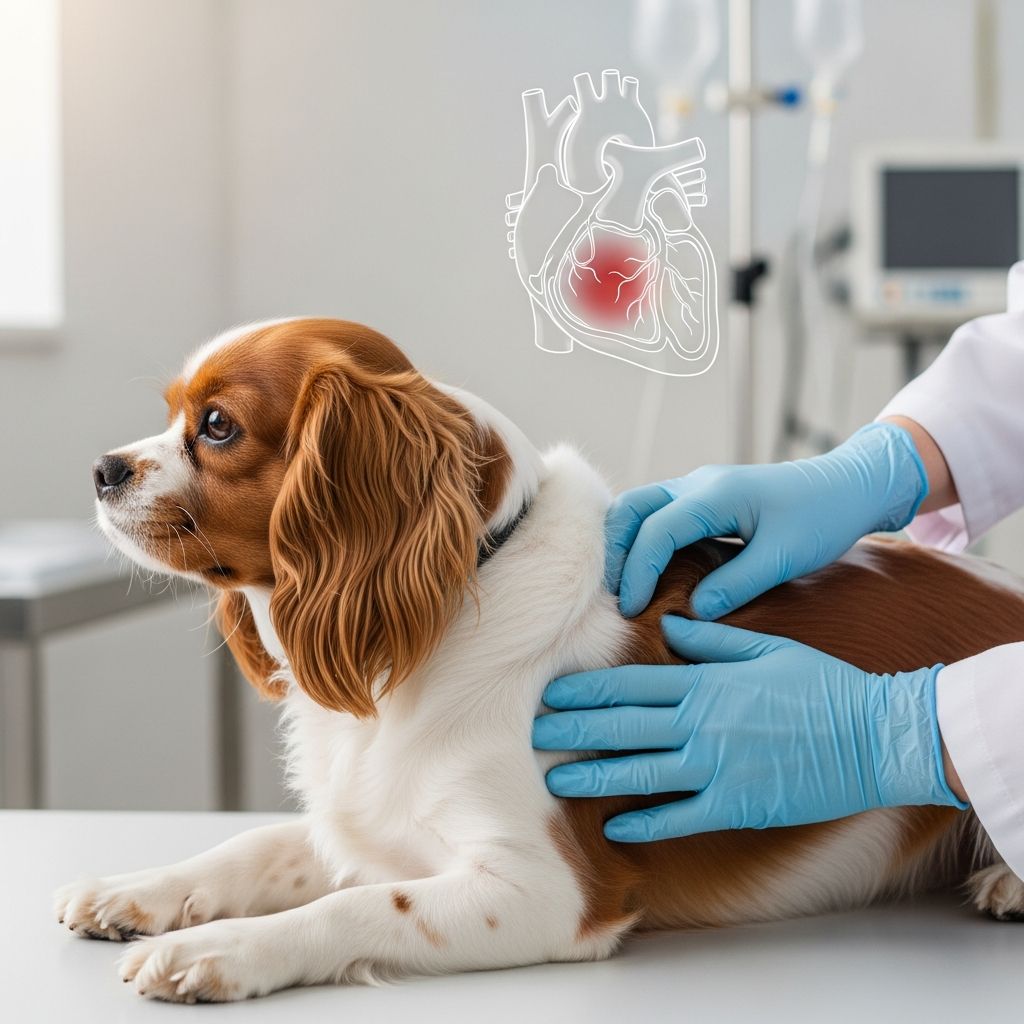
The pericardium, a thin protective sac enveloping the heart, plays a crucial role in maintaining cardiac function by preventing excessive movement and friction. In dogs and cats, disruptions such as fluid buildup or inflammation can lead to serious complications, impacting circulation and overall vitality. These conditions, though not everyday occurrences, demand prompt veterinary attention to avert life-threatening scenarios.
Understanding the Pericardium’s Role and Common Disruptions
Normally containing a minimal amount of lubricating fluid, the pericardium shields the heart from surrounding structures. Abnormal fluid accumulation, known as pericardial effusion, compresses the heart, impairing its ability to pump effectively. This is more prevalent in dogs, particularly larger breeds, than in cats, where it remains rare.
When fluid builds rapidly, it triggers cardiac tamponade, a critical state where intrapericardial pressure surges, restricting heart filling and output. Chronic cases allow gradual adaptation, but severe progression still yields right-sided heart failure signs.
Primary Causes of Pericardial Effusion
Several factors contribute to pericardial issues in companion animals. Understanding these origins guides diagnosis and management.
- Tumors: Neoplastic growths top the list in dogs, with hemangiosarcoma and heart base tumors like chemodectomas being frequent culprits. These often bleed into the sac, causing hemorrhagic effusion. In cats, lymphoma predominates among rare cardiac cancers.
- Idiopathic Inflammation: Many canine cases lack a clear cause, termed idiopathic pericarditis, leading to sterile effusion.
- Heart Failure: Congestive heart failure contributes mildly in cats but less so in dogs, rarely necessitating drainage.
- Infections: Bacterial, fungal, or viral agents, including feline infectious peritonitis, can provoke septic pericarditis, though uncommon.
- Other Triggers: Trauma, coagulopathies, or uremia occasionally play roles.
| Species | Most Common Cause | Frequency |
|---|---|---|
| Dogs | Neoplasia (e.g., hemangiosarcoma) | Common |
| Cats | Heart failure or lymphoma | Rare |
Recognizing Symptoms in Dogs and Cats
Clinical presentation varies with accumulation speed. Acute onset mimics shock, while chronic forms present subtly.
- Dogs: Abdominal fluid buildup (ascites) dominates, alongside weakness, collapse, coughing, vomiting, and exercise intolerance. Pulsus paradoxus—weakening femoral pulses on inspiration—signals advanced disease.
- Cats: Subtle signs like lethargy or respiratory distress; severe tamponade is infrequent.
Muffled heart sounds on auscultation and jugular vein distension further hint at pericardial compromise. Routine bloodwork often remains unremarkable, though hemorrhagic effusions may show anemia.
Diagnostic Approaches for Accurate Identification
Swift, precise diagnostics are pivotal. Initial exams include thoracic radiographs revealing globular cardiomegaly without pulmonary issues, and ECGs showing low voltage or arrhythmias.
The echocardiogram reigns supreme, visualizing fluid, masses, or tamponade physiology with right atrial/ventricular collapse. Advanced imaging or fluid analysis post-drainage identifies cellularity, aiding etiology determination.
Emergency Interventions: Pericardiocentesis Technique
For tamponade, immediate pericardiocentesis evacuates fluid, restoring hemodynamics. Performed right-sided at the 4th-5th intercostal space, ultrasound guidance enhances safety and efficacy.
Post-procedure, fluid cytology and PCV assessment differentiate hemorrhagic from modified transudate effusions. Complications are minimal in experienced hands, though chamber entry risks exist—non-clotting fluid confirms intrapericardial location.
Long-Term Management Strategies
Post-drainage care targets underlying issues. Neoplastic cases warrant oncology referral; idiopathic ones may recur, prompting monitoring or subtotal pericardiectomy after 2-3 episodes.
Diuretics are avoided acutely; instead, address hypovolemia supportively. Heart failure-related effusions respond to optimized medical therapy. Surgical pericardiectomy excels for recurrent idiopathic or constrictive forms, improving survival.
Rare Variants: Constrictive and Effusive-Constrictive Pericarditis
Constrictive pericarditis, a chronic sequela, features a rigid sac impeding diastolic filling, presenting with ascites sans cardiomegaly. Diagnosis demands catheterization or advanced echo; surgery strips the fibrotic layer.
Effusive-constrictive blends fluid and fibrosis, easing surgical access. Both are predominantly canine.
Prognosis Factors and Owner Guidance
Outcomes hinge on cause: idiopathic cases fare best with intervention, while neoplasia portends guarded prospects despite palliation. Regular echocardiographic surveillance post-treatment detects recurrences early.
Owners should watch for lethargy, abdominal distension, or collapse, seeking urgent care. Preventive screening in at-risk breeds aids early detection.
FAQs on Pericardial Disorders
What breeds are prone to pericardial effusion?
Large and giant breeds like Golden Retrievers and German Shepherds show higher incidence in dogs.
Is pericardiocentesis painful for my pet?
With sedation and guidance, it’s well-tolerated, providing rapid relief.
Can cats recover from cardiac tamponade?
Yes, if addressed promptly, though underlying causes like tumors influence long-term success.
How often does effusion recur?
In idiopathic cases, up to 50% may need repeat procedures without surgery.
Are there home remedies?
No; professional intervention is essential—delays worsen prognosis.
References
- Recognizing and treating pericardial disease — dvm360. 2023. https://www.dvm360.com/view/recognizing-and-treating-pericardial-disease
- Pericardial Disease in Dogs and Cats — Merck Veterinary Manual. 2023. https://www.merckvetmanual.com/circulatory-system/various-heart-diseases-in-dogs-and-cats/pericardial-disease-in-dogs-and-cats
- Pericardial Effusion In Dogs & Cats — CVCA Cardiac Care for Pets. 2024. https://www.cvcavets.com/patient-resources/cardiac-conditions/pericardial-effusion-in-dogs-cats
- Pericardial Effusion in Dogs & Cats — BluePearl Pet Hospital. 2023. https://bluepearlvet.com/medical-articles-for-pet-owners/pericardial-effusion/
Similar Articles








Read full bio of Sneha Tete


