

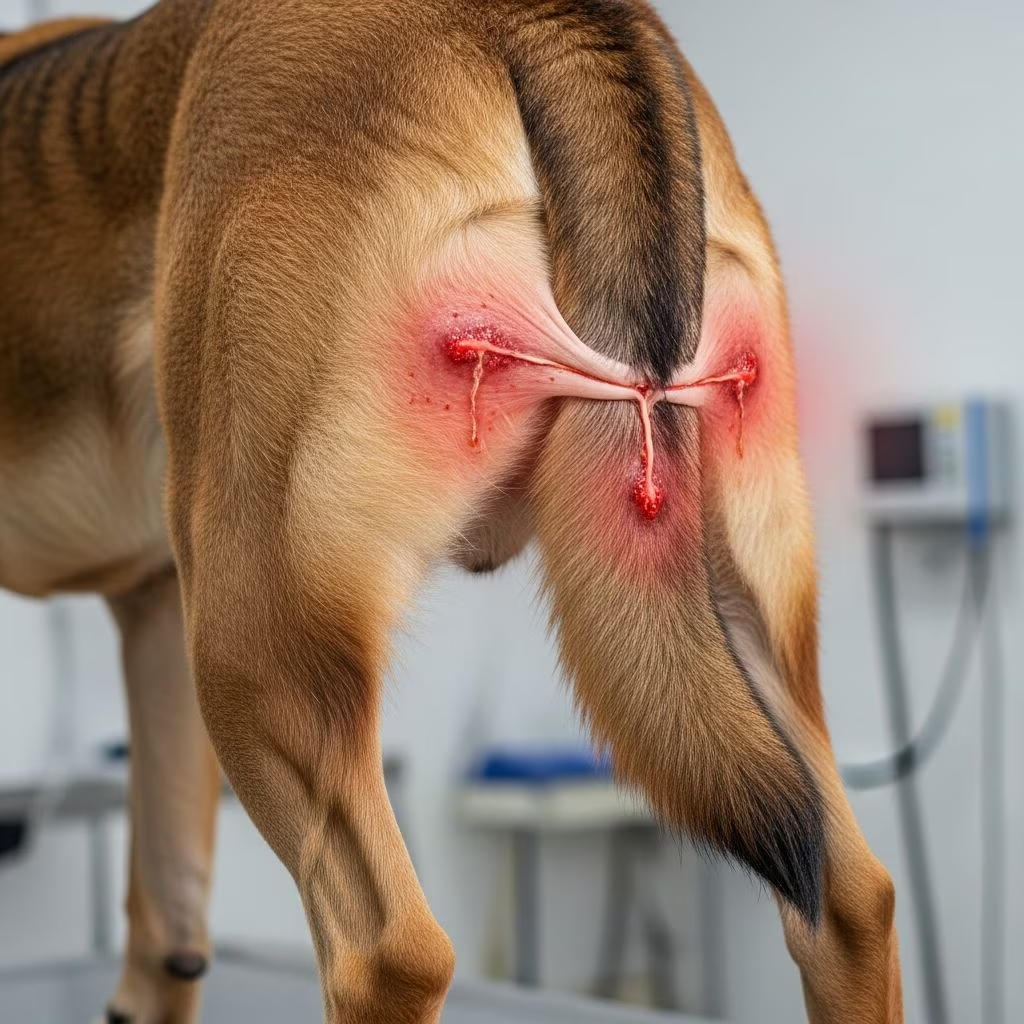
Perianal fistulas, also known as anal furunculosis, represent a challenging chronic condition affecting the skin around a dog’s anus, forming painful tunnels and ulcers that can severely impact daily life. This guide delves into the nature of this disease, its predisposing factors, recognition of early signs, diagnostic approaches, multifaceted treatment strategies, and proactive management tips to help pet owners support their dogs effectively.
Understanding the Anatomy and Pathology
The perianal region encompasses the skin and tissues immediately surrounding the anus, where hair follicles, sebaceous glands, and anal sacs reside. In affected dogs, these structures become inflamed, leading to deep sinus tracts that drain pus or blood. Pathologically, this involves an immune-mediated destruction of tissue, often triggered by bacterial overgrowth in hair follicles, compounded by genetic susceptibility.
Breeds such as German Shepherds are disproportionately affected, with studies indicating a strong hereditary component, possibly linked to immune dysregulation. Other large breeds like Irish Setters and Bouviers may also develop this issue, though less frequently.
Recognizing the Signs: Early Detection is Key
Owners often notice behavioral changes before visible lesions appear. Common indicators include:
- Excessive licking, scooting, or dragging the hindquarters across floors.
- Painful defecation, straining (tenesmus), or reluctance to squat.
- Bleeding, mucus, or bloody stools, sometimes with fecal incontinence.
- Foul-smelling discharge from perianal openings, accompanied by redness and swelling.
- Ulceration, crusting, or draining tracts near the anus.
- Reduced appetite, weight loss, or aggression when the rear is touched.
These symptoms progress if untreated, potentially causing anal strictures that complicate defecation and diminish quality of life, sometimes leading to euthanasia in severe cases.
Root Causes and Risk Factors
While the exact etiology remains multifactorial, research points to an immune-mediated pathogenesis where the dog’s immune system attacks perianal tissues, exacerbated by secondary bacterial infections from E. coli or other flora. Underlying allergies, particularly food sensitivities, play a role in many cases, with hypoallergenic diets showing benefits.
Genetic predisposition is evident, especially in German Shepherds, where conformational factors like a bushy tail trapping moisture may contribute. Poor anal hygiene, anal sac disease, and chronic inflammation further perpetuate the cycle.
| Risk Factor | Description | Prevalence |
|---|---|---|
| Breed Predisposition | German Shepherds and similar breeds | High |
| Immune Dysregulation | Autoimmune tissue destruction | Primary cause |
| Food Allergies | Triggers inflammation | Common |
| Anal Sac Issues | Impaction or infection | Frequent |
| Poor Hygiene | Moisture and bacterial buildup | Contributing |
Diagnostic Approaches for Accurate Assessment
Veterinarians begin with a thorough history and physical exam, focusing on the perianal area under sedation if needed to fully evaluate tracts. Fine-needle aspiration or biopsy confirms inflammation and rules out neoplasia. Bacterial cultures guide antibiotic selection, while allergy testing or elimination diets identify dietary triggers.
Imaging like ultrasound or contrast studies may assess deeper involvement, ensuring tailored therapy.
Modern Treatment Strategies: From Medical to Surgical
Treatment has evolved from aggressive surgery to primarily medical management, emphasizing immunosuppression to halt immune attack. Early intervention yields remission rates over 70-80% in responsive cases.
Immunosuppressive Medications
Oral cyclosporine (Atopica®) is a cornerstone, achieving remission in most dogs at 5-10 mg/kg daily, with GI side effects in some. Tacrolimus ointment (0.1% Protopic®) applied topically daily offers 50-79% complete response rates, often combined with oral agents.
Glucocorticoids like prednisone (2-4 mg/kg) provide initial control but require tapering to avoid side effects. Ketoconazole enhances cyclosporine efficacy by inhibiting metabolism.
Antimicrobial and Supportive Care
Antibiotics (e.g., cephalexin, metronidazole) target secondary infections during induction. Topical chlorhexidine cleanses lesions 2-3 times weekly. Stool softeners and fiber supplements ease defecation.
Novel and Adjunctive Therapies
Platelet-rich plasma injections promote healing, with case reports of sustained remission. Fluorescent light energy (weekly sessions) reduces inflammation and aids closure. Hypoallergenic or novel protein diets address allergies.
Surgical Interventions for Refractory Cases
When medical therapy plateaus, options include laser fistulectomy, cryotherapy, or anal sacculectomy. These carry risks like incontinence but are reserved for severe, unresponsive disease.
| Therapy Type | Examples | Success Rate | Side Effects |
|---|---|---|---|
| Immunosuppressants | Cyclosporine, Tacrolimus | 70-90% | GI upset, immunosuppression |
| Topical/Induction | Antibiotics, Cleansers | Supportive | Minimal |
| Diets | Hypoallergenic | Adjunctive | None |
| Surgery | Laser, Cryo | Variable | Incontinence risk |
Step-by-Step Home Management Plan
Complement vet care with:
- Daily cleaning with pet-safe antiseptics.
- Clipping perianal hair for airflow, especially in long-coated breeds.
- High-fiber diet or supplements to firm stools.
- Preventing licking via e-collars.
- Regular anal gland expression by professionals.
Prognosis and Long-Term Outlook
With prompt multimodal therapy, most dogs achieve remission, though lifelong maintenance may be needed. Mild cases respond to topicals alone; severe ones require combinations. Monitoring prevents relapse, enhancing quality of life.
Preventive Measures for At-Risk Dogs
Proactive steps include routine grooming, allergy screening, weight management, and early vet checks for scooting breeds. Balanced nutrition minimizes triggers.
Frequently Asked Questions (FAQs)
What breeds are most prone to perianal fistulas?
German Shepherds top the list, followed by other large breeds due to genetic factors.
Is surgery always necessary?
No, medical management is first-line and successful in most cases; surgery is for failures.
How long does treatment take?
Induction phase: weeks to months; maintenance: lifelong in chronic cases.
Can diet help?
Yes, novel protein diets resolve allergies contributing to fistulas.
What if my dog has bloody stools?
Seek immediate vet care, as it signals active disease.
This detailed overview empowers owners to collaborate with veterinarians for optimal outcomes in managing perianal fistulas.
References
- Perianal Fistulas in Dogs — Today’s Veterinary Practice. 2023. https://todaysveterinarypractice.com/dermatology/perianal-fistulas-in-dogs/
- Perianal Fistula in Dogs: Causes, Symptoms, Diagnosis, and Treatment — PetCareRx. 2024. https://www.petcarerx.com/article/perianal-fistula-in-dogs-causes-symptoms-diagnosis-and-treatment/6934
- Perianal Fistula in Dogs — VCA Animal Hospitals. 2025. https://vcahospitals.com/know-your-pet/perianal-fistula-in-dogs
- Perianal Fistula in Dogs — PetMD. 2024. https://www.petmd.com/dog/conditions/digestive/perianal-fistula-dogs
- Perianal Fistula Management in Dogs — Delaware Valley Surgeons. 2023. https://www.dvsc.com/perianal-fistula-management-in-dogs
- Canine Perianal Fistulas: Clinical Presentation, Pathogenesis, and Response to Therapy — PubMed (Vet Clin North Am Small Anim Pract). 2018-10. https://pubmed.ncbi.nlm.nih.gov/30213533/



