

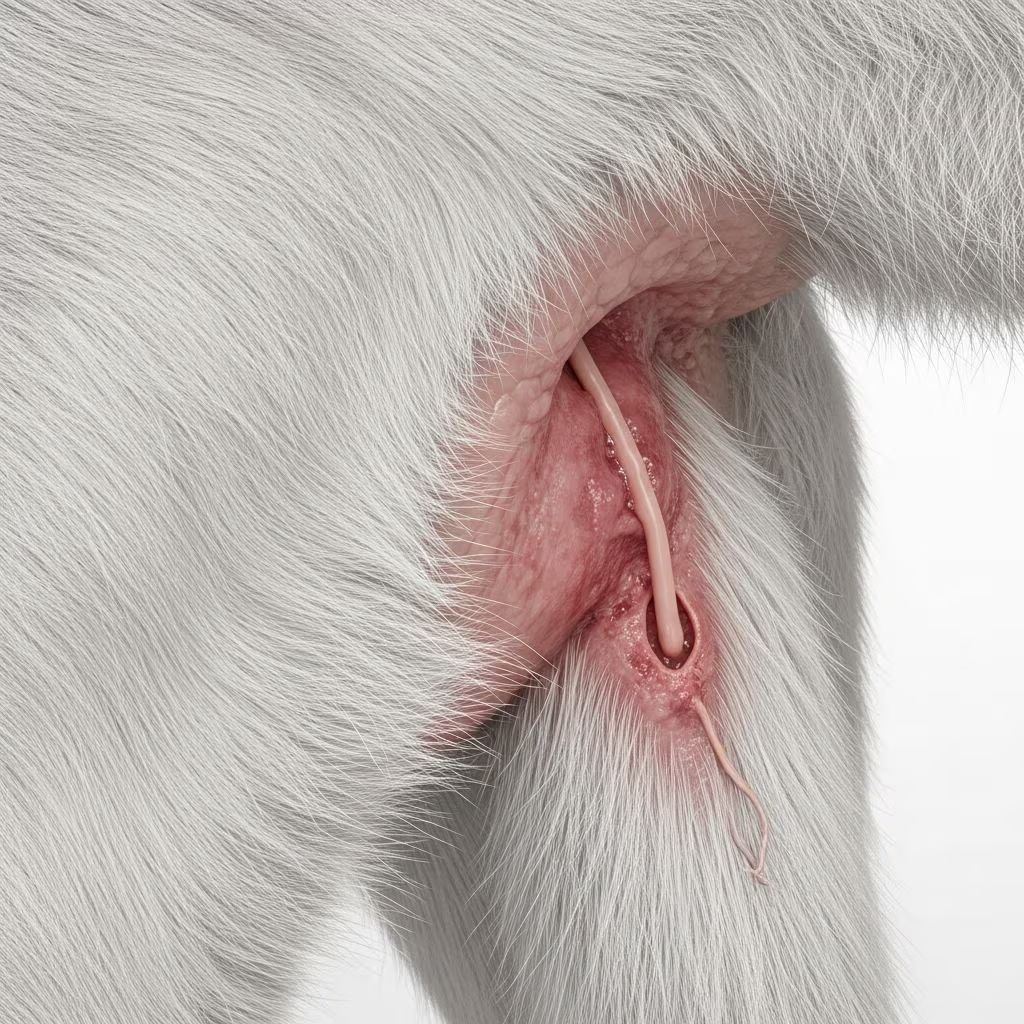
Perianal fistulas, also known as anal furunculosis, represent a challenging dermatological issue in dogs characterized by inflamed, ulcerated tracts around the anus. These abnormal tunnels cause significant discomfort and can severely impact a dog’s daily life if not addressed promptly. Primarily affecting certain breeds, this condition demands a multifaceted approach combining accurate diagnosis and tailored therapies to promote healing and prevent recurrence.
Understanding the Anatomy and Development of Perianal Fistulas
The perianal region encompasses the skin and tissues immediately surrounding a dog’s anus, including hair follicles, glands, and anal sacs. Fistulas form when these structures become chronically inflamed, leading to deep sinus tracts that drain pus or fluid. This process often starts with minor irritation but escalates due to self-trauma from licking or scooting, perpetuating a cycle of infection and tissue breakdown.
Pathogenesis involves an immune-mediated response, where the body’s defenses mistakenly target perianal tissues. Contributing factors include bacterial overgrowth, particularly from anal sac issues, and potential allergic triggers like food sensitivities. Unlike simple infections, fistulas burrow deeply, making superficial treatments insufficient.
Common Breeds and Risk Factors
Certain breeds show a predisposition, with German Shepherds being the most commonly affected due to genetic factors influencing immune function and skin conformation. Other large breeds like Labrador Retrievers and Bouvier des Flandres also face higher risks. Males are overrepresented, possibly linked to hormonal influences or narrower anal canals.
- Genetic predisposition: Heritable immune dysregulation in breeds like German Shepherds.
- Breed-specific anatomy: Deep skin folds and dense hair coats trap moisture and debris.
- Hormonal influences: Intact males may experience exacerbated symptoms.
- Secondary triggers: Anal sacculitis or dietary allergies amplifying inflammation.
Recognizing Symptoms Early
Early detection hinges on observing behavioral and physical changes. Dogs often exhibit persistent licking or biting at the hindquarters, scooting across floors, or reluctance to sit. Visible signs include red, swollen skin with small draining holes, foul-smelling discharge, and crusting ulcers. Severe cases involve blood in stool, straining during defecation, or even fecal incontinence.
| Symptom | Description | Severity Indicator |
|---|---|---|
| Excessive licking/scooting | Constant attention to rear end | Mild to moderate |
| Draining tracts | Pus or bloody discharge from holes near anus | Moderate to severe |
| Pain on touch | Aggression or yelping when hindquarters handled | Severe |
| Bowel changes | Constipation, diarrhea, or straining | Advanced |
These symptoms progressively worsen without intervention, potentially leading to strictures or life-threatening infections.
Diagnostic Approaches for Confirmation
Veterinarians rely on a combination of history, physical exams, and advanced tools. A thorough perianal inspection under sedation reveals tract depth and extent. Cytology or biopsies rule out neoplasia or fungal infections. Imaging like ultrasound assesses anal sac involvement, while allergy testing identifies dietary culprits.
- Sedated exam for safe tract exploration.
- Microbial cultures to guide antibiotic selection.
- Biopsy for histopathological confirmation of immune-mediated disease.
Primary Treatment Strategies: Shifting to Medical Management
Historically, surgery dominated, but high recurrence and complication rates have shifted focus to immunosuppression. Medical protocols divide into induction (aggressive control) and maintenance phases, yielding remission rates over 70% in responsive cases.13
Immunosuppressive Medications
Cyclosporine (Atopica®) is a cornerstone, administered orally to modulate T-cell activity. Doses start at 5 mg/kg daily, tapering based on response. Studies report complete remission in 79% of cases combined with diet changes.1 Tacrolimus ointment (0.1%) applied topically once daily offers localized relief, achieving 50-79% success rates, often with fewer systemic effects.13
Prednisone serves as an adjunct for rapid inflammation reduction, though long-term use risks side effects like immunosuppression or GI upset.
Antimicrobial and Supportive Care
Secondary bacterial infections necessitate antibiotics like cephalexin or metronidazole. Topical chlorhexidine cleanses reduce bioburden. Stool softeners (psyllium) ease defecation, minimizing trauma.2
Dietary Interventions
Hypoallergenic or novel protein diets address underlying allergies, with fiber supplements promoting firm stools. Success improves when integrated early.25
Surgical Options for Refractory Cases
When medical therapy plateaus, surgery targets diseased tissue. Fistulectomy excises tracts, while anal sacculectomy removes problematic glands. Laser ablation or cryotherapy minimizes bleeding and promotes healing. Postoperative care includes softeners and e-collars.13 Recurrence remains a risk, so surgery pairs with ongoing meds.
Emerging and Adjunctive Therapies
Innovative options include platelet-rich plasma injections for regeneration and fluorescent light energy for anti-inflammatory effects, showing promise in trials.1 Herbal supplements like Four Gentlemen powder or hydrocortisone creams provide symptomatic relief in holistic approaches.6
Long-Term Management and Prognosis
Maintenance involves low-dose cyclosporine or tacrolimus, regular vet checks, and hygiene. Most dogs achieve remission within months, with quality of life markedly improved if treated timely.17 Untreated cases risk euthanasia due to pain and complications.
Prevention Tips for At-Risk Dogs
- Routine anal gland expression by professionals.
- High-quality, hypoallergenic diets tailored to breed.
- Daily perianal cleaning with pet-safe antiseptics.
- Weight management to reduce perineal strain.
- Early vet visits for breed predispositions.
Frequently Asked Questions (FAQs)
What breeds are most prone to perianal fistulas?
German Shepherds top the list, followed by other large breeds due to genetic and anatomical factors.57
Can perianal fistulas be cured completely?
Many achieve long-term remission with combined therapies, though lifelong management may be needed.1
Is surgery always necessary?
No, medical management is first-line and successful in most cases; surgery reserves for failures.3
How long does treatment take?
Induction phase: 4-16 weeks; full control may require months.13
Can diet alone fix this?
Diet helps but rarely suffices without immunosuppression.25
Monitoring Progress and When to Seek Help
Track reduced licking, tract closure, and stool normalization. Worsening pain or new discharge warrants immediate care. Partnering with a veterinary dermatologist optimizes outcomes.
References
- Perianal Fistulas in Dogs — Today’s Veterinary Practice. 2023. https://todaysveterinarypractice.com/dermatology/perianal-fistulas-in-dogs/
- Perianal Fistula in Dogs: Causes, Symptoms, Diagnosis, and Treatment — PetCareRx. 2024. https://www.petcarerx.com/article/perianal-fistula-in-dogs-causes-symptoms-diagnosis-and-treatment/6934
- Perianal Fistula in Dogs — VCA Animal Hospitals. 2024. https://vcahospitals.com/know-your-pet/perianal-fistula-in-dogs
- Perianal Fistula in Dogs — PetMD. 2024. https://www.petmd.com/dog/conditions/digestive/perianal-fistula-dogs
- Perianal Fistula Management in Dogs — Delaware Valley Surgeons. 2023. https://www.dvsc.com/perianal-fistula-management-in-dogs
- Perianal Fistulas: Rubi’s Healing Journey — Franklin TN Vet. 2023. https://franklintnvet.com/perianal-fistulas-rubis-healing-journe/
- Canine Perianal Fistulas: Clinical Presentation, Pathogenesis, and Response to Therapy — PubMed (Vet Clin North Am Small Anim Pract). 2018-10. https://pubmed.ncbi.nlm.nih.gov/30213533/



