

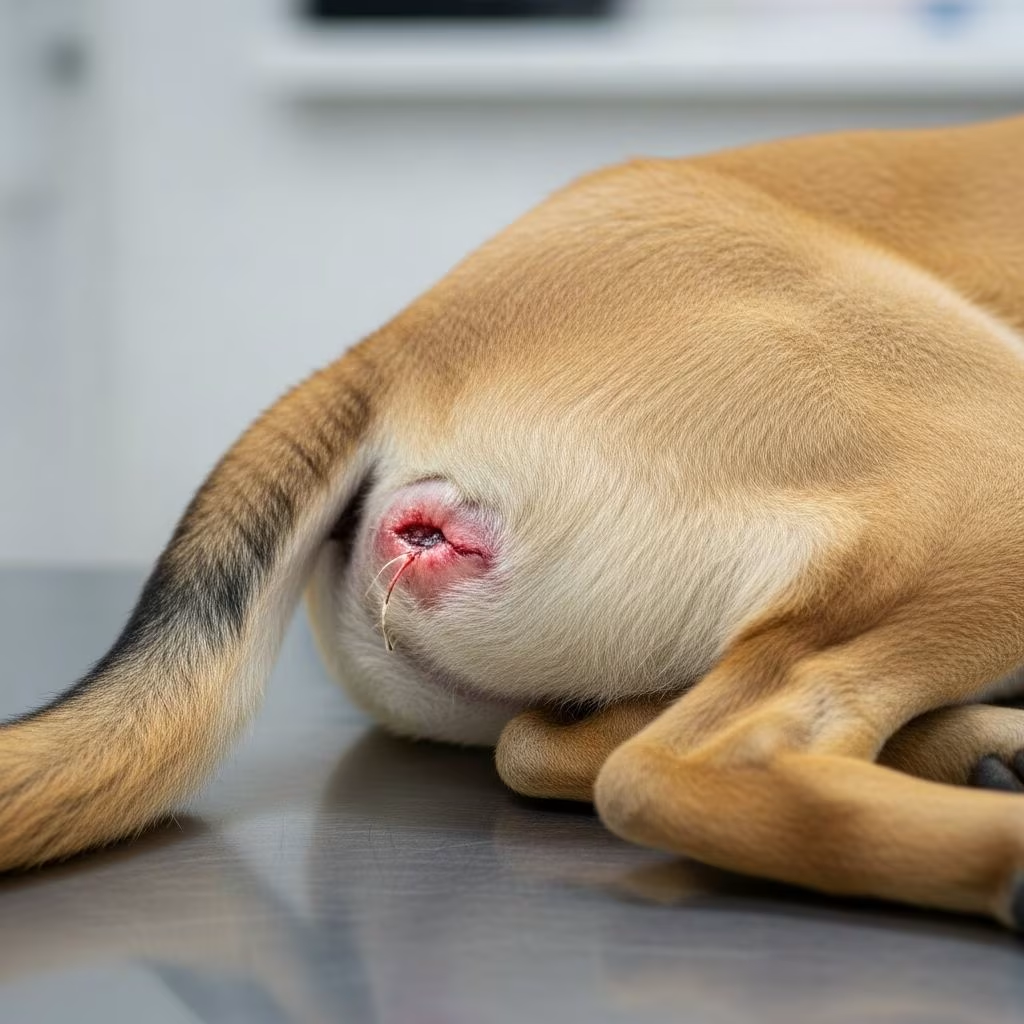
Perianal fistula, also known as anal furunculosis, is a chronic and debilitating condition affecting the skin around a dog’s anus, leading to painful ulcers and tracts. This inflammatory disease primarily impacts certain breeds and requires prompt veterinary attention to manage discomfort and prevent complications.
Recognizing the Signs of Perianal Fistula
Dogs with perianal fistula often exhibit noticeable symptoms that worsen over time if untreated. Common indicators include persistent pain around the anus, making sitting or defecation difficult. Owners may observe foul-smelling pus or blood-tinged discharge from small openings in the perianal skin, leading to soiled fur and irritation.
- Intense anal pain: Dogs may yelp, lick excessively, or avoid sitting on their hindquarters.
- Visible lesions: Deep ulcers, fistulas, or draining tracts encircling the anus.
- Odorous discharge: Pus, blood, or fecal matter leaking intermittently.
- Skin changes: Redness, swelling, hair loss, or thickened, scarred tissue in the area.
- Behavioral shifts: Scooting on floors, reluctance to exercise, or signs of depression.
In advanced cases, secondary infections can cause fever, lethargy, or appetite loss. Early detection through these signs is crucial, as the condition can progress to severe tissue destruction.
Root Causes Behind Perianal Fistula Development
The exact cause of perianal fistula remains multifactorial, but it primarily stems from chronic inflammation of the anal glands and surrounding tissues. German Shepherds are predisposed due to genetic factors, with up to 80% of cases linked to breed-specific immune responses.
Anal gland impaction or infection often initiates the cycle, where blocked secretions lead to abscesses that rupture and form fistulas. Bacterial overgrowth, particularly from E. coli or Staphylococcus, exacerbates the issue. Other contributors include:
- Autoimmune disorders triggering hyperactive immune responses against perianal tissues.
- Demodex mites or allergies causing secondary dermatitis.
- Trauma from excessive licking, anal sac expression, or concurrent conditions like inflammatory bowel disease.
- Hormonal influences, more common in intact males due to testosterone promoting aggressive licking.
Rarely, underlying systemic diseases such as hypothyroidism or megaesophagus contribute. Understanding these triggers helps in tailoring prevention for at-risk dogs.
Diagnostic Approaches for Accurate Assessment
Veterinarians diagnose perianal fistula through a combination of physical exams and advanced imaging. A thorough anal examination under sedation reveals characteristic deep ulcers and fistulous tracts.
| Method | Description | Purpose |
|---|---|---|
| Visual Inspection | Examination of perianal skin for ulcers and discharge | Initial identification of lesions |
| Sedated Rectal Exam | Probing anal sacs and tracts | Assess depth and extent |
| Cytology/Biopsy | Sample analysis for bacteria or cancer | Rule out infections or neoplasia |
| Imaging (MRI/CT) | Detailed scans of tracts | Map complex fistulas |
Biopsies confirm the diagnosis by showing lymphocytic inflammation. Blood tests screen for concurrent issues like allergies or hypothyroidism.
Medical Management Options
While surgery is often necessary, medical therapy forms the cornerstone for mild cases or post-operative care. Immunosuppressive drugs reduce inflammation effectively.
- Cyclosporine: Oral medication suppressing immune overactivity; success rates up to 80% in early stages.
- Tacrolimus: Topical ointment applied to lesions for localized control.
- Antibiotics: Fluoroquinolones or metronidazole target secondary infections.
- Anti-inflammatory topicals: Steroid creams soothe irritation.
Supportive care includes Epsom salt soaks, medicated shampoos, and dietary fiber to ease defecation. Neutering males improves outcomes by 50-70% by reducing licking behavior.
Surgical Interventions for Lasting Relief
For moderate to severe cases, surgery offers the best chance for resolution. Techniques vary based on fistula complexity.
Partial or Total Resection: Removal of diseased tissue; novel protein-coated grafts promote healing without sphincteric damage.
Laser Ablation (CO2 Laser): Precise vaporization of tracts minimizes bleeding and speeds recovery; recurrence rates under 20%.
Cryosurgery: Freezing lesions for smaller fistulas.
Reconstructive Options: Mucosal flaps or setons for complex cases preserve continence.
Success rates exceed 90% with combined approaches, though multiple procedures may be needed.
Navigating the Recovery Process
Post-treatment care is vital for healing. Expect an e-collar to prevent licking, pain medications, and stool softeners for 2-4 weeks.
- Daily cleaning with chlorhexidine wipes.
- Monitor for infection signs like increased discharge.
- Follow-up exams at 2, 6, and 12 weeks.
Full recovery takes 4-8 weeks; scarring is common but functional. Long-term cyclosporine may prevent relapse.
Preventive Measures and Breed Considerations
Prevention focuses on at-risk breeds like German Shepherds. Regular anal gland expression, high-fiber diets, and prompt allergy management reduce incidence.
- Neutering before age 2.
- Weight control to minimize perianal pressure.
- Parasite prevention for mites.
Pet insurance covers diagnostics and surgeries, easing financial burdens.
FAQs on Perianal Fistula in Dogs
Is perianal fistula curable?
Yes, with aggressive treatment, over 85% of dogs achieve remission, though monitoring is lifelong.
Why are German Shepherds prone?
Genetic immune dysregulation causes chronic inflammation in this breed.
Can it spread to other areas?
Rarely, but untreated cases may involve rectal tissues.
What’s the cost of treatment?
Ranges from $1,500-$5,000 depending on surgery type.
Does diet help manage it?
Fiber-rich foods prevent constipation, aiding recovery.
References
- Perianal Fistula; from Etiology to Treatment – A Review — PMC – NIH. 2024. https://pmc.ncbi.nlm.nih.gov/articles/PMC11316198/
- Anal fistula – Symptoms and causes — Mayo Clinic. 2023-10-15. https://www.mayoclinic.org/diseases-conditions/anal-fistula/symptoms-causes/syc-20352871
- Perianal fistula: symptoms, causes, diagnosis and treatment — Operarme. 2023. https://www.operarme.com/blog/perianal-fistula-symptoms-causes-diagnosis-and-treatment/
- Abscess and Fistula Expanded Information — American Society of Colon and Rectal Surgeons. 2024. https://fascrs.org/Web/Web/Patients/Diseases-and-Conditions/A-Z/Abscess-and-Fistula-Expanded-Information.aspx
- Anal fistula – Treatment — NHS. 2023-05-12. https://www.nhs.uk/conditions/anal-fistula/treatment/



