

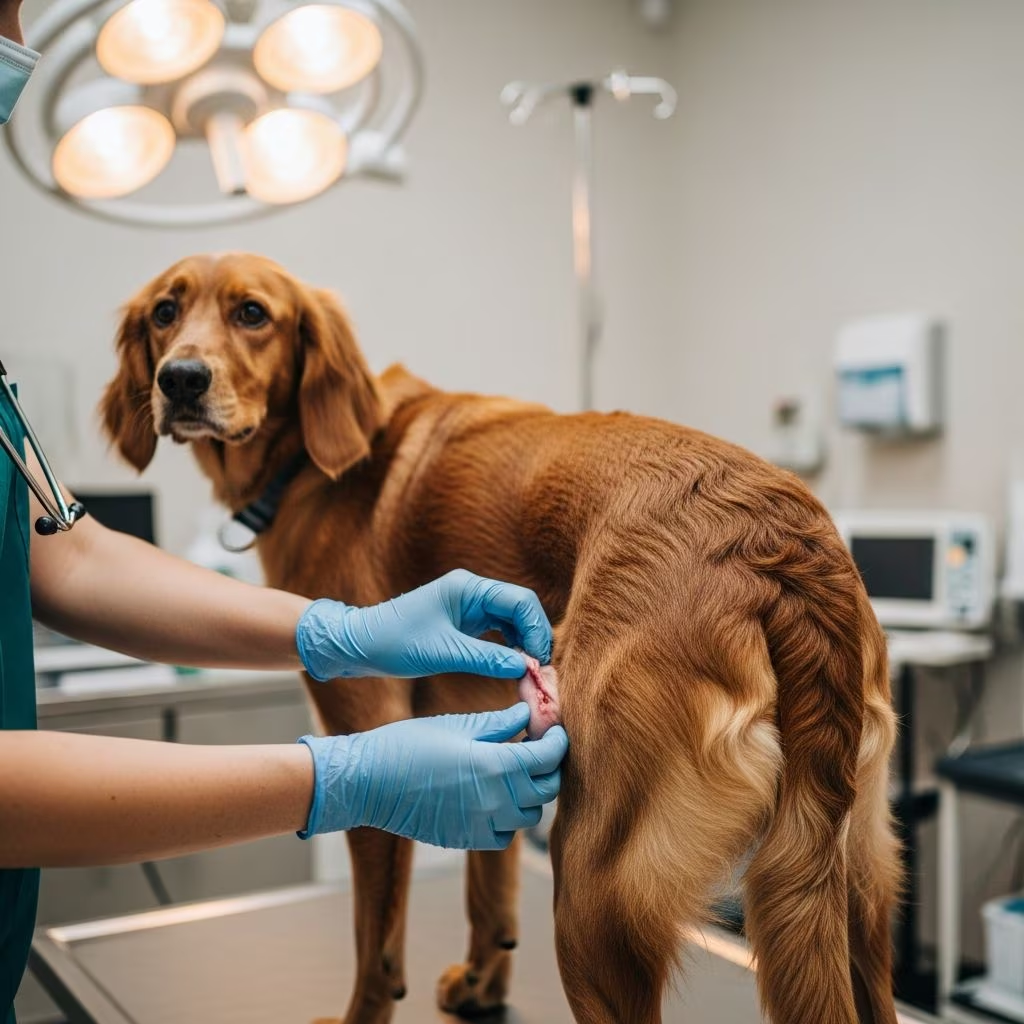
Understanding Perianal Fistula in Dogs
Perianal fistula in dogs is a chronic inflammatory condition that affects the tissue immediately surrounding the anus, which is the termination point of the digestive tract. A fistula is an abnormal connection or tunnel that forms within the tissue, creating pathways that can become infected and severely painful. This condition, also known as anal furunculosis, represents one of the most challenging dermatological problems veterinarians encounter in canine practice.
The perianal region in dogs is particularly prone to this condition due to its unique anatomical features and the concentration of anal glands in the area. When inflammation develops, it can quickly progress to a debilitating state if not addressed promptly. The condition causes significant discomfort and can dramatically impact a dog’s quality of life, affecting their ability to defecate normally and participate in regular activities.
Recognizing the Symptoms
Dogs suffering from perianal fistula exhibit a variety of clinical signs that pet owners should recognize. Early identification of these symptoms is crucial for initiating timely treatment and preventing the condition from worsening.
The most common symptoms include:
- Straining or difficulty during bowel movements (tenesmus and dyschezia)
- Presence of blood in stool (hematochezia)
- Foul-smelling or purulent discharge from the perianal area
- Excessive licking, biting, or scooting of the rear end
- Low tail carriage and reluctance to wag the tail
- Pain or aggression when the hind end is touched
- Reluctance to sit or lie down
- Weight loss and lethargy
- Visible draining tracts or holes near the anus
- Redness, oozing, pus, or weeping skin in the perianal region
These symptoms can vary in severity depending on the stage of the disease and the individual dog’s pain tolerance. In severe cases, dogs may experience fecal incontinence, constipation, or diarrhea, along with a noticeable decrease in appetite and overall energy levels.
Causes and Risk Factors
While the exact etiology of perianal fistula remains complex, research has identified several underlying factors that contribute to its development. Immune-mediated disorders play a significant role, with the condition often being associated with allergies and other immune system dysfunctions. Many cases have been linked to underlying allergies, which trigger chronic inflammation in the perianal tissues.
The condition is not contagious and cannot be transmitted between dogs. Rather, it develops when individual dogs have predisposing factors that create an environment conducive to fistula formation. Genetics may play a role, as certain breeds appear more susceptible to developing this condition than others. Environmental factors, diet sensitivities, and prolonged sitting on hard surfaces may also contribute to disease development.
Diagnosis and Veterinary Evaluation
Accurate diagnosis is essential for implementing appropriate treatment protocols. Your veterinarian will begin with a thorough physical examination and a comprehensive review of your dog’s medical history. A careful rectal examination is often necessary to evaluate the extent and severity of the condition and assess the involvement of internal tissues.
In cases where perianal fistulas are accompanied by significant pain and sensitivity, your dog may need to be sedated or anesthetized for a more thorough examination of the affected area. This allows the veterinarian to fully assess the depth, extent, and severity of the fistulous tracts without causing additional distress to your pet.
Your veterinarian may recommend a biopsy of the affected tissue to confirm the diagnosis and rule out other conditions such as cancer, tumors, or other dermatological diseases that present with similar symptoms. Laboratory work may also be performed to identify any secondary bacterial infections that commonly accompany perianal fistulas.
Modern Treatment Approaches
Surgical treatment of perianal fistulas was previously the standard approach; however, medical management with immune-modulating drugs is now the preferred therapy. This shift in treatment philosophy reflects advances in veterinary dermatology and a better understanding of the disease’s underlying mechanisms. Improvement can often be seen relatively quickly; however, it can take several months of consistent treatment to get the disease fully under control.
Medical Management Overview
Medical management of perianal fistula is typically divided into two distinct phases: the induction phase and the maintenance phase. This structured approach helps optimize therapeutic outcomes while minimizing medication exposure over the long term.
Induction Phase
The induction phase represents the initial aggressive treatment period designed to rapidly alleviate clinical signs and bring inflammation under control. During this phase, higher doses of medications are typically administered, and the period generally lasts for up to four months. The goal is to achieve remission or significant improvement in symptoms as quickly as possible.
Antimicrobial medications are frequently prescribed during the induction phase to treat secondary bacterial infections that commonly accompany perianal fistulas. These infections can significantly complicate the condition and delay healing if not addressed appropriately. Topical treatments may include antiseptic baths performed two to three times weekly, or even daily, depending on lesion severity.
Maintenance Phase
Once clinical signs have improved or entered remission following the induction phase, the maintenance phase begins. The objective of this phase is to keep clinical signs in check and prevent them from reappearing. Similar to other immune-mediated skin conditions, lifelong therapy may be necessary for effective management of perianal fistulas. It is essential to control any secondary bacterial infections that may arise during this phase through careful monitoring and continued antimicrobial therapy when indicated.
Topical Medications
Topical treatments play an important role in managing perianal fistulas, particularly in cases with mild to moderate severity. Tacrolimus (brand name Protopic®) is a potent immunomodulatory medication commonly used as a topical treatment. The 0.1% concentration formulation can be applied directly to the perianal region once daily.
Clinical studies have demonstrated encouraging results with tacrolimus monotherapy. Initial research showed complete remission in 50% of patients and partial response in 40% of patients, with only minimal treatment failure. More comprehensive studies have shown even better outcomes when tacrolimus is combined with other therapeutic approaches. In one significant study, 79% of patients achieved complete remission over 16 weeks when tacrolimus was used in combination with prednisone, a novel protein diet, and a short course of metronidazole.
If your dog’s clinical signs are relatively mild and they tolerate topical therapy, tacrolimus can be utilized as the sole treatment option. For dogs that do not respond adequately to tacrolimus monotherapy, combination therapy with systemic medications often proves more effective.
Systemic Medications
Systemic therapy can be utilized either independently or in combination with topical treatments. Cyclosporine (brand name Atopica®) is the preferred systemic medication and has been studied extensively across multiple clinical trials, demonstrating consistent efficacy in treating perianal fistulas.
Cyclosporine is an immunosuppressive medication that is usually well tolerated by dogs, though some dogs may experience gastrointestinal side effects such as mild nausea or changes in appetite. Importantly, perianal fistula in dogs often shows significant improvement within 1-2 weeks after initiating treatment with cyclosporine. In landmark clinical studies, the vast majority of cases (85%) experienced complete resolution within four months of starting therapy.
It is essential not to suddenly discontinue cyclosporine administration. Once clinical signs have notably improved or entered remission, the dosage should be gradually reduced over a period of 3-5 months, allowing for a smooth transition and sustained recovery. Abrupt cessation of the medication can lead to rapid relapse of clinical signs.
Combining cyclosporine with ketoconazole has been found to reduce overall treatment costs without compromising therapeutic efficacy, making this combination approach an attractive option for long-term management.
Emerging and Adjunctive Therapies
Beyond traditional medical management, several newer treatment modalities have shown promise in managing perianal fistulas. Platelet-rich plasma administered as intralesional injections has demonstrated potential, with one documented case resulting in complete remission and no recurrence after one year of follow-up.
Fluorescent light energy therapy represents another emerging treatment option that has recently become more readily available to veterinarians. This therapy requires weekly treatment sessions to help decrease inflammation and increase wound healing. Clinical experience with this modality has shown both significant improvement of clinical signs and complete remission in select cases.
Laser technology has also been evaluated for surgical excision of diseased tissue, offering an alternative to traditional surgical approaches with potentially reduced complications and faster healing times.
Surgical Treatment Options
While medical management is now the preferred initial approach, surgical intervention remains an important option for severe cases or when medical treatment reaches a plateau in effectiveness. In severe cases, surgery to debride or remove infected tissue may be beneficial, with or without simultaneous cryotherapy, which involves freezing the affected tissue.
Cryosurgery works by freezing affected tissues using a special probe, causing the frozen cells to die and be shed, thus allowing further healing to take place. Similarly, laser surgery kills the lining of the fistulas, allowing the affected area to heal gradually over time. Both approaches can provide immediate pain relief, leaving dogs in significantly less discomfort following the procedure.
Surgical treatment does carry a higher risk of complications, including infection, bleeding, and delayed healing. Therefore, surgery is typically reserved for cases where medical treatment has failed or the disease is so severe that immediate intervention is necessary.
Supportive Care and Management
Beyond medication, several supportive care measures can significantly improve outcomes. Clipping the hair in the perianal region, particularly in long-coated dogs, increases ventilation and can help prevent moisture accumulation that promotes bacterial growth and inflammation.
Careful, systematic bathing and cleaning of the perianal area provides direct relief and removes debris and discharge. Many veterinarians recommend routine hygienic care including antiseptic baths and topical chlorhexidine applications as part of a comprehensive management strategy.
Dietary modifications play an important role, with hypoallergenic food trials often recommended since many cases are linked to underlying allergies. Managing any concurrent allergies through diet and environmental modifications can significantly improve outcomes and reduce medication requirements.
Prognosis and Long-Term Outlook
Perianal fistulas can be a severely debilitating disease; however, most dogs respond well to therapy when treatment is started in a timely fashion. Early intervention is crucial, as delayed treatment can lead to formation of anal strictures and large, deep fissures that significantly decrease the patient’s quality of life and may require more aggressive intervention.
The progression of untreated or unsuccessfully treated perianal fistulas can lead to a more debilitating clinical situation. In extreme cases where quality of life cannot be maintained despite aggressive therapy, euthanasia may unfortunately become a consideration. However, with proper management and consistent treatment, most dogs achieve significant improvement or complete remission.
Treatment Recommendations by Disease Severity
The approach to treatment should be tailored to the severity of the disease. For mild cases, the recommended initial approach includes tacrolimus therapy applied once daily or fluorescent light energy therapy performed weekly, with the option of starting cyclosporine as an adjunctive therapy.
For moderate to severe cases, cyclosporine becomes the most beneficial initial therapy, with the option of adding prednisone as well. If improvement reaches a plateau with these medications, additional therapies are indicated. However, if the anal sacs are involved, surgical intervention may become necessary.
Frequently Asked Questions
Q: How long does it take to see improvement with perianal fistula treatment?
A: Improvement can often be seen relatively quickly, sometimes within 1-2 weeks of starting cyclosporine therapy. However, it typically takes several months of consistent treatment to get the disease fully under control, with most cases requiring 4 months or more.
Q: Is perianal fistula in dogs contagious?
A: No, perianal fistula is not contagious and cannot be transmitted between dogs. It develops due to individual predisposing factors and immune-mediated disorders rather than infectious agents.
Q: Can perianal fistula be cured?
A: While there is no definitive cure for perianal fistula, most dogs can achieve significant improvement or complete remission with proper medical management. Many dogs require lifelong maintenance therapy to prevent recurrence.
Q: What should I do if my dog’s condition doesn’t improve with medical treatment?
A: If medical treatment reaches a plateau or is ineffective, your veterinarian may recommend additional therapies such as fluorescent light energy therapy or surgical intervention depending on the severity and specific circumstances.
Q: Are there side effects associated with cyclosporine treatment?
A: Cyclosporine is usually well tolerated, though some dogs may experience gastrointestinal side effects such as mild nausea. Your veterinarian will monitor your dog for any adverse reactions during treatment.
References
- Perianal Fistula in Dogs — VCA Animal Hospitals. 2024. https://vcahospitals.com/know-your-pet/perianal-fistula-in-dogs
- Perianal Fistulas in Dogs — Today’s Veterinary Practice. 2024. https://todaysveterinarypractice.com/dermatology/perianal-fistulas-in-dogs/
- Perianal Fistula In Dogs: Causes, Symptoms And Treatment — Kingsdale Animal Hospital. 2024. https://www.kingsdale.com/perianal-fistula-in-dogs-causes-symptoms-and-treatment
- Perianal Fistula in Dogs – Symptoms, Causes, Diagnosis, Treatment — PetMD. 2024. https://www.petmd.com/dog/conditions/digestive/perianal-fistula-dogs
- Perianal Fistulas — American College of Veterinary Surgeons (ACVS). 2024. https://www.acvs.org/small-animal/perianal-fistulas/
- Perianal Fistulas — Southpaws Specialty & Referral Veterinary Centre. 2024. https://www.southpaws.com.au/perianal-fistulas/



