

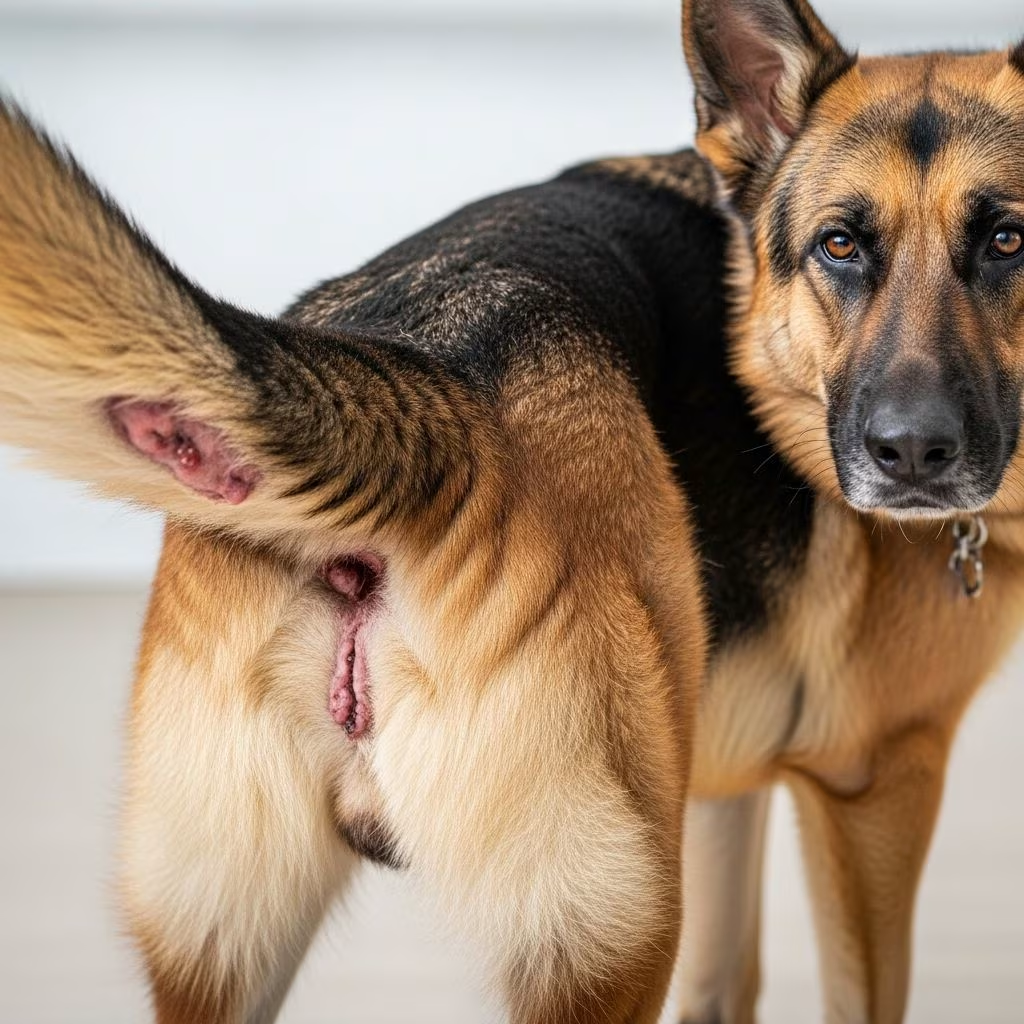
Understanding Perianal Fistula in Dogs
Perianal refers to the area immediately surrounding the anus or termination of the digestive tract. A fistula is an abnormal connection or tunnel that forms within body tissues, often resulting from chronic inflammation and infection. Perianal fistula in dogs, also known as anal furunculosis, represents a chronic inflammatory condition that affects the tissues surrounding the anus and rectum. This debilitating condition can significantly impact a dog’s quality of life, causing pain, discomfort, and behavioral changes. Understanding this condition is essential for dog owners and veterinarians alike, as early diagnosis and appropriate treatment can lead to successful management and improved outcomes.
The condition typically develops as a result of chronic inflammation in the perianal region, which can be triggered by various underlying factors. German Shepherd Dogs and other breeds with a genetic predisposition are particularly susceptible to this condition. If left untreated, perianal fistulas can progress to severe complications, including anal strictures and deep fissures that dramatically decrease the patient’s quality of life.
Recognizing the Symptoms
Dogs suffering from perianal fistula display a variety of clinical signs that should prompt immediate veterinary attention. These symptoms can range from mild to severe and often worsen over time without appropriate treatment.
Common symptoms include:
– Tenesmus (straining to defecate)- Dyschezia (difficulty defecating)- Malodorous and purulent perianal discharge- Low tail carriage- Perianal licking and biting- Hematochezia (blood in stool)- Scooting along the ground- Draining tracts or holes near the anus- Redness, oozing, pus, or weeping skin near the anus- Fecal incontinence, constipation, or diarrhea- Poor appetite and weight loss- Lethargy and reluctance to sit or wag tail- Signs of pain or aggression when the hind end is touched
The severity and presentation of symptoms can vary significantly between individual dogs. Some dogs may show only subtle signs initially, while others present with severe discomfort and obvious lesions. Any dog exhibiting these symptoms should be evaluated by a veterinarian promptly, as early intervention significantly improves treatment outcomes.
Diagnosis and Evaluation
Proper diagnosis of perianal fistula requires a comprehensive veterinary assessment. Your veterinarian will begin with a thorough physical examination and careful review of your dog’s medical history. A rectal examination is often necessary to evaluate the extent and severity of the condition. Due to the pain and sensitivity associated with perianal fistulas, a dog may need to be sedated or anesthetized for a more thorough examination of the affected area.
In some cases, your veterinarian may recommend a biopsy of the affected tissue to confirm the diagnosis and rule out other conditions, such as cancer or other dermatological diseases. This diagnostic approach ensures accurate identification of the condition and helps establish the most appropriate treatment plan tailored to your dog’s specific needs.
Understanding the Underlying Causes
While the exact etiology of perianal fistula remains complex, research has identified several contributing factors. Immune-mediated conditions play a significant role in the development of this disease. Allergies, both food-related and environmental, have been strongly linked to perianal fistulas in dogs. Additionally, bacterial infections and secondary complications can perpetuate the condition, making proper management essential.
Certain breeds, particularly German Shepherd Dogs, show a higher predisposition to developing perianal fistulas, suggesting a genetic component to the disease. Understanding these underlying causes helps veterinarians develop targeted treatment strategies that address both the symptoms and the root causes of the condition.
Modern Treatment Approaches
Surgical treatment of perianal fistulas was previously the treatment of choice; however, medical management with immune-modulating drugs is now the preferred therapy. This shift in treatment philosophy reflects advances in veterinary medicine and improved understanding of the condition’s immunological basis. Improvement can often be seen quickly; however, it can take several months of treatment to get the disease under control.
Medical Management Strategy
Medical management of this disease is divided into two distinct phases: an induction phase and a maintenance phase. This structured approach helps veterinarians optimize treatment outcomes and minimize medication side effects.
Induction Phase: This initial phase of treatment aims to alleviate the clinical signs of perianal fistulas. During this phase, higher doses of medication are typically administered, and it generally lasts for up to four months. The induction phase often includes systemic antibiotics to address any secondary bacterial infections that may be present.
Maintenance Phase: The objective of this phase is to keep the clinical signs in check and prevent them from reappearing. Similar to other immune-mediated skin conditions, lifelong therapy may be necessary for effective management. It is essential to control any secondary bacterial infections that may arise during this phase.
Topical Treatment Options
Medical management involves topical medications such as tacrolimus (brand name Protopic®). Tacrolimus at 0.1% concentration is a potent immunomodulatory medication that can be applied topically to the perianal region once to twice daily. If the dog’s clinical signs are relatively mild and they tolerate topical therapy, tacrolimus can be utilized as the sole treatment.
Initial studies showed complete remission in 50% of patients and partial response in 40% of patients when using tacrolimus alone. However, when tacrolimus is combined with prednisone, a novel protein diet, and a short course of metronidazole, complete remission has been reported in approximately 79% of patients. Tacrolimus works by suppressing the immune response in the affected tissue, promoting healing and reducing inflammation.
Systemic Treatment Options
Oral medications that suppress the immune system are more commonly prescribed to treat perianal fistulas. Cyclosporine (brand name Atopica®) is the preferred systemic medication and has been studied thoroughly across multiple research studies. Cyclosporine is one of the more commonly prescribed drugs for treatment of perianal fistulas and is usually well tolerated by dogs, with some experiencing gastrointestinal side effects.
Marked improvement in lesion size has been observed in all cases treated with cyclosporine, with complete remission reported in the majority of dogs during the 12-week treatment period. Furthermore, perianal fistula in dogs often shows significant improvement within 1-2 weeks after initiating treatment with cyclosporine, with a vast majority of cases (85%) experiencing resolution within four months. It is essential not to suddenly stop administering cyclosporine. Instead, once the clinical signs have notably improved or entered remission, the dosage should be gradually reduced over a period of 3-5 months.
Additional Immunosuppressive Therapy
Glucocorticoids, specifically prednisone at immunosuppressive doses (2 to 4 mg/kg by mouth every 24 hours), have been described as effective, with 33.3% of patients achieving complete remission and 33.3% showing improved clinical signs. These medications can be used in combination with other therapies to enhance treatment efficacy.
More recently, several innovative treatment modalities have shown promise. Platelet-rich plasma monotherapy administered as intralesional injections has resulted in complete remission and no recurrence after one year in reported cases. Additionally, fluorescent light energy therapy, which requires weekly treatment to help decrease inflammation and increase wound healing, has shown both significant improvement of clinical signs and complete remission in several cases.
Managing Secondary Infections
Secondary infections commonly accompany perianal fistulas and should be addressed appropriately with either systemic or topical medication such as chlorhexidine. Routine hygienic care of the perianal area can be beneficial, including antiseptic baths two to three times weekly, or even daily, depending on lesion severity.
Dietary Considerations
A hypoallergenic food trial may be recommended since many cases have been linked to an underlying allergy. Eliminating potential dietary allergens can help reduce inflammatory triggers and support the immune system’s stabilization. This dietary approach works synergistically with medical management to provide comprehensive treatment.
Supportive Care
Symptoms can often be improved by clipping the hair in the perianal region, particularly in long-coated dogs, to increase ventilation. This simple but effective intervention reduces moisture in the area and promotes better healing. Careful, systematic bathing and cleaning can also provide relief and help prevent secondary infections. Additionally, stool softeners are typically recommended postoperatively or during treatment to lessen the pressure during bowel movements and allow the area to heal.
Surgical Treatment Options
In severe cases where medical treatment fails, surgery to debride or remove as much infected tissue as possible may be beneficial, with or without simultaneous cryotherapy (freezing). A wide variety of surgical treatments for perianal fistulas have been performed, including the use of laser for surgical excision and cryotherapy to ablate the diseased tissue. This process reduces the amount of infection and may stimulate improved healing.
However, surgery has a high risk of complications and is used only in cases where medical treatment fails. Several recent studies have described the use of surgery after the effectiveness of immunosuppressive therapies has plateaued. The decision to pursue surgical intervention should be made carefully after exhausting medical management options and considering the individual dog’s overall health status.
Treatment Success Rates and Prognosis
Perianal fistulas can be a severely debilitating disease, but most dogs respond well to therapy if started in a timely fashion. The prognosis depends largely on the stage of disease at presentation and the promptness of treatment initiation. Early intervention significantly improves outcomes and reduces the risk of progression to more severe forms requiring extensive surgical intervention.
If the disease is severe, more aggressive initial therapy is recommended, including combination therapies. When disease is mild, tacrolimus therapy once daily or fluorescent light energy therapy weekly may be initiated, with the option of starting cyclosporine as well. When the disease is moderate to severe, cyclosporine will likely be the most beneficial therapy, with the option of starting prednisone as well. If improvement reaches a plateau, additional therapies are indicated.
Long-Term Management
Although there is no definitive cure for perianal fistula, with proper management and monitoring from your veterinarian, you may be able to keep your dog comfortable while minimizing the risk of relapse or recurrence. Lifelong therapy may be necessary for many dogs, requiring ongoing medication adjustments and veterinary oversight. Regular follow-up appointments help ensure that the treatment plan remains effective and that any complications are addressed promptly.
Understanding how best to manage this chronic disease will help ensure that your dog remains happy and healthy for years to come. The combination of topical and systemic medications has proven highly effective, and in many cases, combining cyclosporine with ketoconazole has been found to reduce overall treatment costs without compromising efficacy.
Frequently Asked Questions
Q: What is the difference between perianal fistula and other anal gland problems?
A: Perianal fistula is a chronic inflammatory condition involving abnormal tunnels and lesions in the tissue surrounding the anus, distinct from anal gland impaction or infection. While anal gland issues may respond to expression or antibiotics, perianal fistula requires immunosuppressive therapy.
Q: Can perianal fistula be cured completely?
A: Currently, there is no definitive cure for perianal fistula. However, the condition can be effectively managed with appropriate medical treatment, often achieving complete remission. Most dogs require ongoing maintenance therapy to prevent recurrence.
Q: How long does treatment typically take?
A: The induction phase generally lasts up to four months, during which higher medication doses are used. Once improvement is achieved, dogs transition to a maintenance phase that may continue for the rest of their lives, though dosages are typically reduced.
Q: Are there breed predispositions to perianal fistula?
A: Yes, German Shepherd Dogs and certain other breeds show higher predisposition to developing perianal fistulas, suggesting a genetic component to the disease.
Q: What happens if medical treatment doesn’t work?
A: If medical management reaches a plateau or fails, surgical debridement with or without cryotherapy may be considered. Surgery carries higher risk of complications and is reserved for cases unresponsive to medical therapy.
Q: Is diet important in treating perianal fistula?
A: Yes, since many cases are linked to underlying allergies, a hypoallergenic food trial is often recommended as part of comprehensive treatment. A novel protein diet may help reduce inflammatory triggers.
References
- Perianal Fistulas in Dogs — Today’s Veterinary Practice. 2024. https://todaysveterinarypractice.com/dermatology/perianal-fistulas-in-dogs/
- Perianal Fistula In Dogs: Causes, Symptoms And Treatment — Kingsdale Animal Hospital. 2024. https://www.kingsdale.com/perianal-fistula-in-dogs-causes-symptoms-and-treatment
- Perianal Fistula in Dogs — VCA Animal Hospitals. 2024. https://vcahospitals.com/know-your-pet/perianal-fistula-in-dogs
- Perianal Fistulae (Anal Furunculosis) Fact Sheet — Veterinary Specialists UK. 2024. https://www.vetspecialists.co.uk/fact-sheets-post/perianal-fistulae-anal-furunculosis-fact-sheet/
- Perianal Fistula in Dogs — PetMD. 2024. https://www.petmd.com/dog/conditions/digestive/perianal-fistula-dogs
- Perianal Fistulas — American College of Veterinary Surgeons. 2024. https://www.acvs.org/small-animal/perianal-fistulas/



