

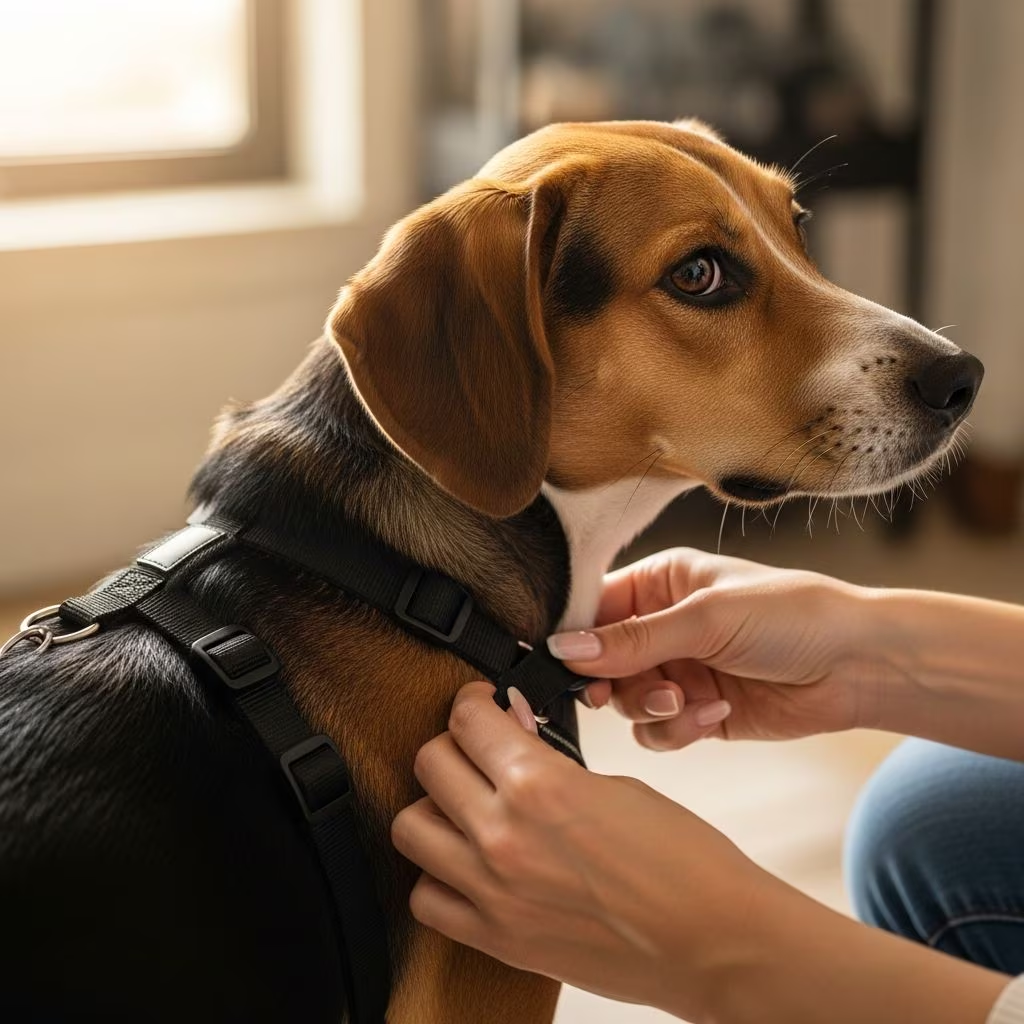
Choosing and properly fitting a dog harness is crucial for your pet’s safety, comfort, and effective leash control during walks. Unlike collars, harnesses distribute pressure across the chest and shoulders, reducing strain on the neck, especially for dogs prone to pulling or tracheal issues. This guide covers everything from measurements to daily use, helping you select and adjust the ideal harness for your dog.
Why Harnesses Outperform Collars
Harnesses prevent choking and neck injuries by securing around the torso rather than the throat. They are ideal for small breeds, puppies, brachycephalic dogs like Bulldogs, and reactive pullers. A well-fitted harness allows full shoulder movement, promoting natural gait without chafing or slipping. Studies from veterinary sources emphasize that improper gear can lead to shoulder strain or escape risks, making fit paramount.
Essential Measurements for Accurate Sizing
Before purchasing, take precise measurements to match your dog’s body to manufacturer charts. Use a soft fabric tape measure for flexibility around curves.
- Girth (Chest Circumference): Measure around the widest part of the rib cage, just behind the front legs. Start at the bottom of the ribs, go over the back, and return to the start. This is the primary sizing metric.
- Neck Size: Wrap the tape around the thickest part of the neck, above the shoulders but below the ears—not the collar spot, which is narrower.
- Weight: Weigh your dog alone or by subtracting your weight from a combined scale reading. Weight guides strength and size ranges.
- Additional for Some Designs: Belly or back length for step-in or backpack-style harnesses.
Record measurements in inches or centimeters. If between sizes, opt for the larger one to allow growth or layering in cold weather.
Understanding Harness Size Charts
Charts vary by brand but typically list girth, neck, and weight ranges. Here’s a generalized table based on common standards:
| Size | Girth (in) | Neck (in) | Weight (lbs) |
|---|---|---|---|
| XXS | 8-12 | 6-10 | 2-6 |
| XS | 12-18 | 9-13 | 5-10 |
| S | 16-22 | 12-20 | 10-25 |
| M | 18-28 | 16-25 | 25-50 |
| L | 24-34 | 18-30 | 50-80 |
| XL | 28-44 | 24-35 | 80-110 |
Always check specific product specs, as overlaps exist (e.g., medium-large girth). PetSmart and similar retailers provide breed examples like Chihuahuas for XXS.
Types of Dog Harnesses and Their Fits
Different designs suit various needs:
- Overhead (H-Back): Slip over head, buckle under belly. Best for easy on/off; adjust neck and girth straps snugly.
- Step-In (Front-Clip): Dog steps into X or H frame, clips at back. Promotes no-pull via front attachment; ensure chest piece sits flat.
- Back-Clip: Leash attaches at spine. Simple for calm walkers; position ring high on back.
- No-Pull (Dual-Clip): Front and back rings; padded for pullers. Equalize straps for balance.
- Everyday/Padded: Multi-adjustable (4-6 points) for custom fit; ideal for active dogs.
Match type to activity: hiking needs rugged packs, city walks favor lightweight no-pull[10].
Step-by-Step Fitting Process
Fitting takes 5-10 minutes initially, then seconds daily. Loosen all straps first.
- Put On: For overhead, slide over head (neck loose). Step-in: Place paws in loops, lift chest piece.
- Secure Buckles: Fasten side or belly clips behind legs. Avoid armpit contact.
- Adjust Neck/Shoulders: Slide until straps hug just below neck, over shoulders. Two-finger gap test.
- Set Girth Straps: Pull equally on both sides for centering. Snug chest fit, two fingers between strap and body.
- Check Belly (if present): Tighten for security without pinching.
- Test Fit: Tug gently; no shifting, rubbing, or backward escape. Leash ring should sit high.
Re-check after a week as dogs adjust. Walk-test: Harness stays put during pulls, sits, lies.
The Two-Finger Rule: Ensuring Snugness
Universal benchmark: Slide two fingers (index and middle) under any strap. More = loose (escape risk); fewer = tight (chafing, restricted breathing). Apply to neck, chest, belly. For small dogs (sizes 0-2), use four fingers behind legs initially for placement. Snug prevents slipping during excitement; comfort allows free leg swing.
Common Fitting Mistakes and Fixes
| Mistake | Sign | Fix |
|---|---|---|
| Too Loose | Dog backs out, shifts forward | Tighten girth 1/2 inch; re-measure |
| Too Tight | Chafing, panting, restricted movement | Loosen to two-finger fit; size up |
| Uneven Straps | Ring off-center, rubbing one side | Adjust both girth straps equally |
| Armpit Rub | Redness behind legs | Raise chest piece; check buckle position |
| High Neck Pressure | Coughing on leash | Lower neck strap below jawline |
Avoid over-tightening from fear of escapes—proper design prevents this.
Daily Use and Maintenance Tips
Putting On/Off: Use treats for positive association. Practice calm sessions.
- Store flat or hung to retain shape.
- Hand-wash with mild soap; air-dry away from sun.
- Inspect weekly for frays, loose stitching—replace annually for heavy use.
- Layer with coats in winter; ensure adjustments accommodate.
For training, pair with front-clip to discourage pulling without force. Rotate harnesses to prevent wear spots.
Choosing Harness Materials and Features
Opt for breathable mesh or nylon with YKK buckles. Padded chests suit sensitive skin. Reflective trim boosts night visibility. Crash-tested models (e.g., for cars) add safety. Budget $20-60; invest in adjustable, escape-proof brands[10].
Frequently Asked Questions (FAQs)
How often should I check the harness fit?
Weekly, or after growth spurts, weight changes, or grooming. Puppies need monthly re-fits.
Can I use a harness for car rides?
Yes, select crash-rated ones anchored to seatbelts. Avoid neck-only attachments.
What if my dog hates the harness?
Introduce gradually with high-value treats. Start with short wears, build tolerance.
Is a harness better for all dogs?
Generally yes for safety, but calm leash-walkers may use collars. Consult vets for brachycephalics.
How do I know if the size is wrong?
Signs: slipping, chafing, no two-finger fit, or discomfort behaviors like pawing.
Advanced Tips for Active Dogs
For hiking, measure with packs: add girth allowance. Trail harnesses like Ruffwear prioritize durability[10]. Competition dogs need competition-legal fits. Track fit evolution with photos.
Mastering harness use enhances bonding and prevents vet bills. With correct measurements and adjustments, your dog enjoys stress-free adventures.
References
- How to Fit a Dog Harness — Kurgo. 2023. https://www.kurgo.com/blog/how-to-fit-a-dog-harness
- How To Measure Your Dog For A Harness — Julius K9 UK. 2023. https://julius-k9.co.uk/how-to-measure-your-dog-for-a-dog-harness-help
- How to Fit a Dog Harness — 2 Hounds Design. 2023. https://2houndsdesign.com/blogs/blog/how-to-fit-a-dog-harness
- How to Fit & Adjust the Front Range® Harness — YouTube (Ruffwear). 2023. https://www.youtube.com/watch?v=riAR3ZREBQA
- How a Dog Harness Should Fit: The Ultimate Guide — Neewa USA. 2023. https://www.neewadogs.com/blogs/blog/how-a-dog-harness-should-fit
- Dog Harness Sizing Chart — PetSmart. 2026. https://www.petsmart.com/help/sizing-charts-H0012d.html
- The Importance of a Well-Fitting Dog Harness — American Kennel Club (AKC). 2023-02-14. https://www.akc.org/expert-advice/lifestyle/the-importance-of-a-well-fitting-harness/



